Who We Are
Pantech's Philosophy & Ideology


As a company playing a part in circular manufacturing, Pantech has established a rigorous quality assurance system to ensure that all stakeholders can participate in the resource recycling cycle with peace of mind.
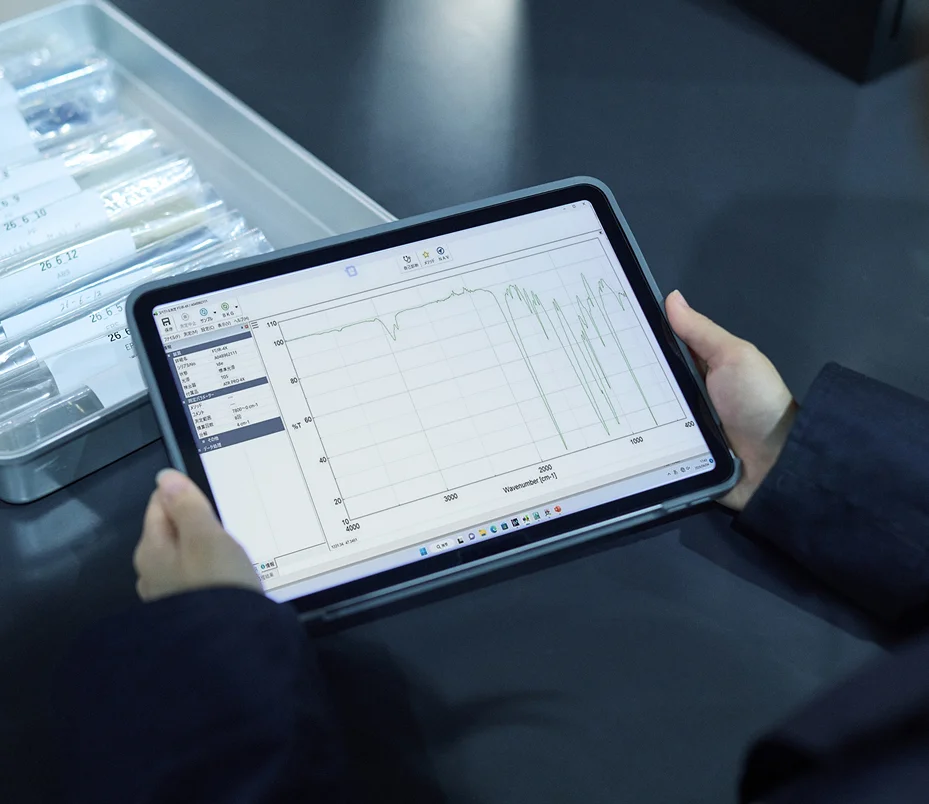
A specialized department overseeing the supply chain measures and evaluates the physical properties of recycled plastic raw materials using in-house equipment. Furthermore, by utilizing a unique "resource recycling database" that is continuously expanded in real time through daily business activities, we enable early detection of potential risks, adaptation to complex environmental regulations, and rapid and continuous quality improvement.
To meet customer expectations and enhance the value of plastic resource recycling itself through co-creation with all stakeholders, Pantech will continue to pursue the evolution of quality.
Pantech has obtained GRS (Global Recycled Standard) certification, an international standard that certifies the recycled material content and traceability of materials.
Our entire supply chain, from recycling companies that collect and process recycled materials to storage warehouses and final suppliers, is recognized as being properly managed and traceable. We deliver globally standardized recycled plastic raw materials through a highly transparent supply system that meets strict chemical restrictions, including precise control of recycled material content, and environmental and social requirements.
Textile Exchange website
https://textileexchange.org/standards/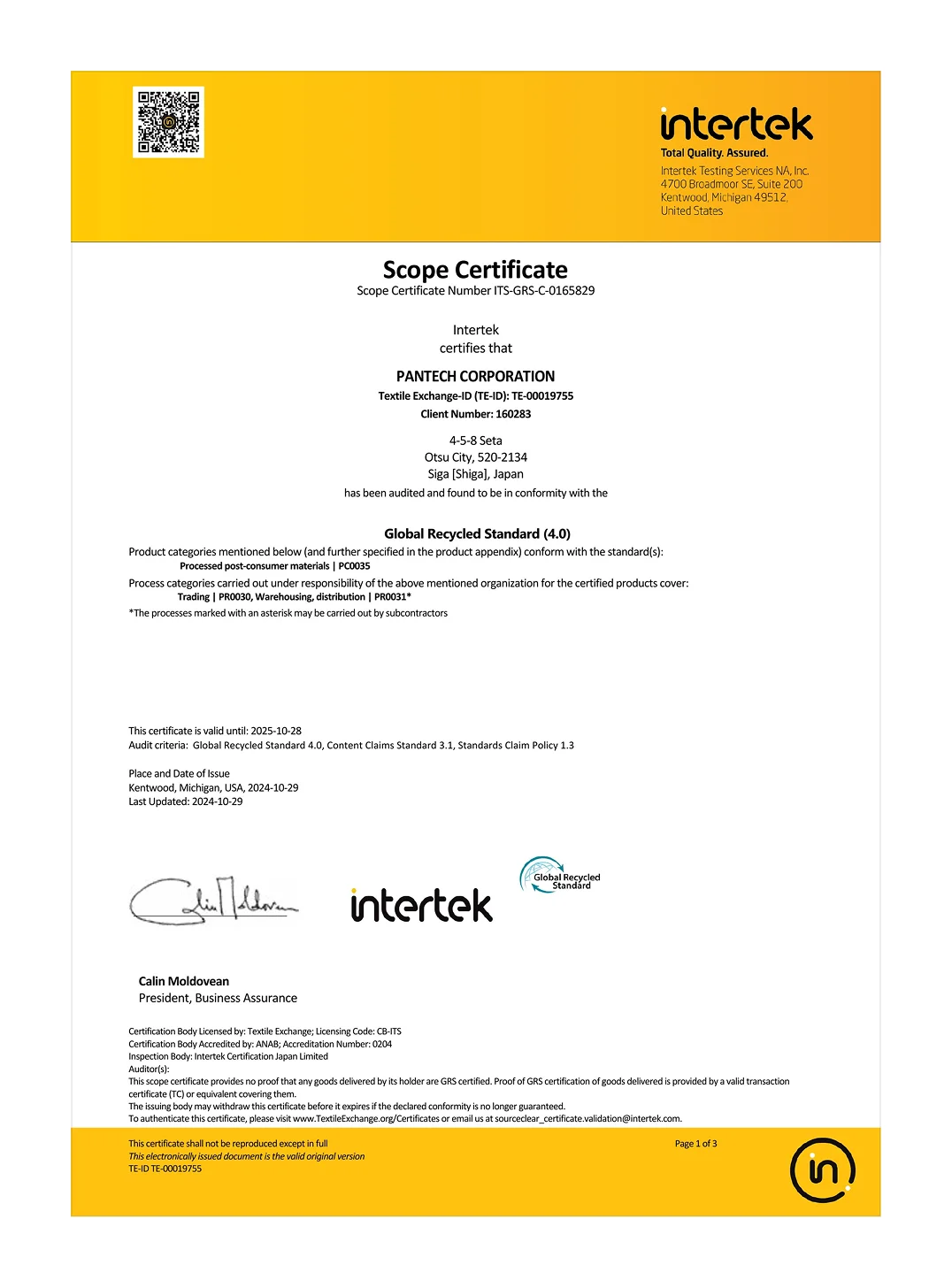
Pantech has established a system to consistently provide high-quality products and services based on the international quality management system standard "ISO 9001". We promote continuous quality improvement through the maintenance of systematic processes and the operation of regular internal and external audits.
At the same time, by obtaining ISO 14001 environmental management system certification, we are thoroughly committed to reducing the environmental impact of our business activities. As a company that designs resource recycling, we contribute to the realization of a sustainable society not only through improved energy efficiency and waste reduction, but also through the optimal recycling of plastic resources.
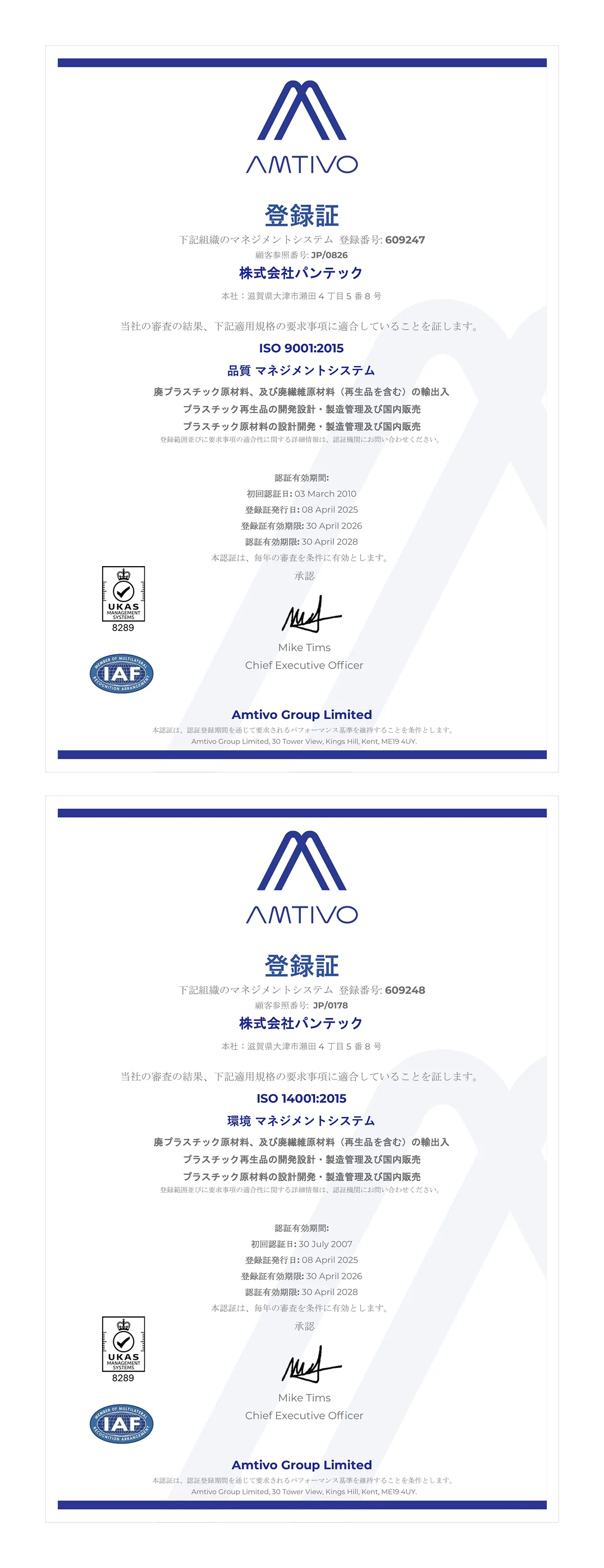
From fulfilling extended producer responsibility at waste-generating companies to green procurement at consumers, Pantech addresses the crucial role of "traceability" in promoting resource recycling by centrally managing the entire process from the collection of unwanted plastics to their recycling, compounding, and final supply. By building a transparent, record-based process, Pantech ensures reliable traceability.
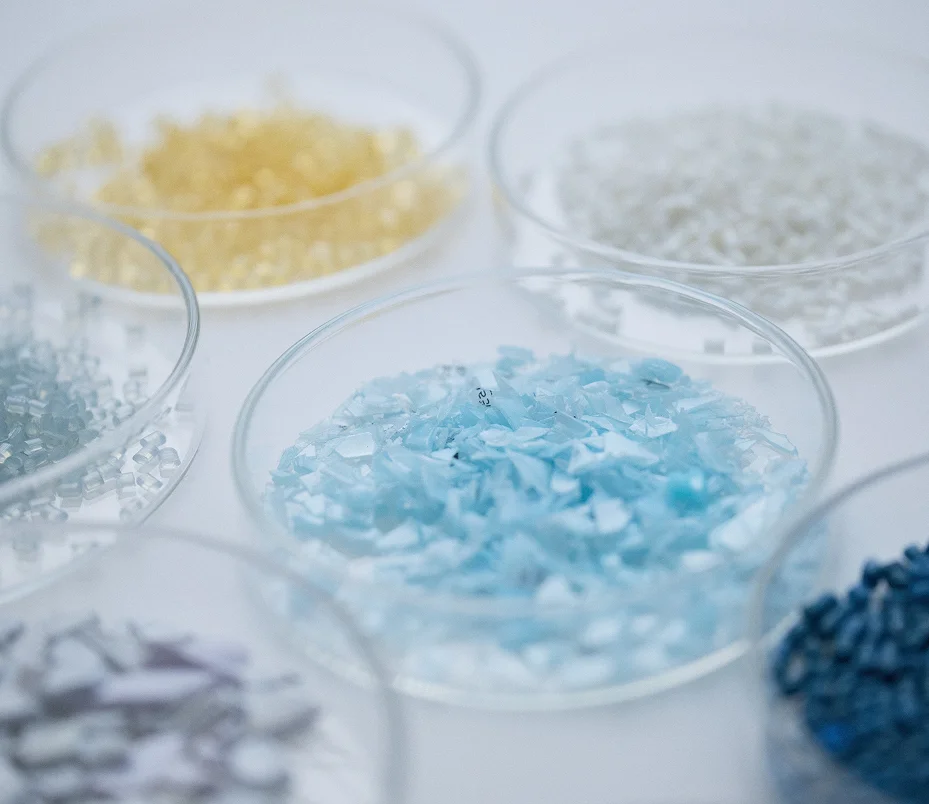
Processing conditions in the recycling of raw materials are a crucial factor that directly impacts the quality of recycled plastic raw materials. Pantech works closely with partner companies to whom we outsource the recycling of raw materials, formulating optimal processing conditions for each material. We have established a reproducible quality control system and are able to ensure a stable supply of raw materials of consistent quality.
Before commencing the supply of recycled plastic raw materials, we jointly agree on specifications and delivery conditions with our customers. Based on these standards, we conduct pre-shipment inspections for each lot. Only products that meet the specifications and conditions are supplied.
Regarding the CO₂ reduction effect associated with the use of recycled plastic raw materials, Pantech has established a calculation system utilizing the LCA calculation software "MiLCA" from the Sustainable Management Promotion Organization. Through the provision of objective data, we support consumers in understanding their Scope 3 (GHG emissions) and in considering and implementing reliable reduction measures.
The Circular Design Center (CDC) is a hub that promotes and enhances the recycling of plastic resources through co-creation with stakeholders.
The CDC has introduced various testing equipment and devices to measure and evaluate the physical properties of recycled plastic raw materials. It is promoting the construction and operation of a unique database that links information on materials and processing with information on physical properties, thereby connecting previously fragmented information on resource recycling.
All instruments and measurement/testing procedures at the CDC comply with ISO standards. Furthermore, we thoroughly manage the environment to maintain high-precision analysis, including conducting regular self-calibration to enhance the validity of measurement results.

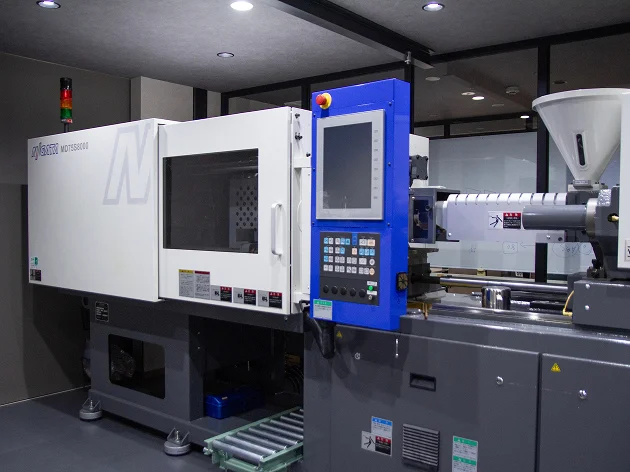
We use an A-type mold compliant with ISO 294-1 and JIS K 7152-1 to mold A1-type test specimens compliant with ISO 20753 and JIS K 7139.
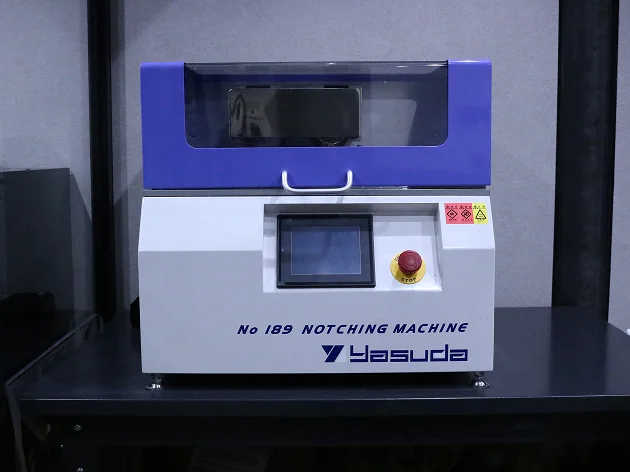
In accordance with ISO 2818 and JIS K 7144, we perform side cutting and precise notching (cutout) processing on molded test specimens.
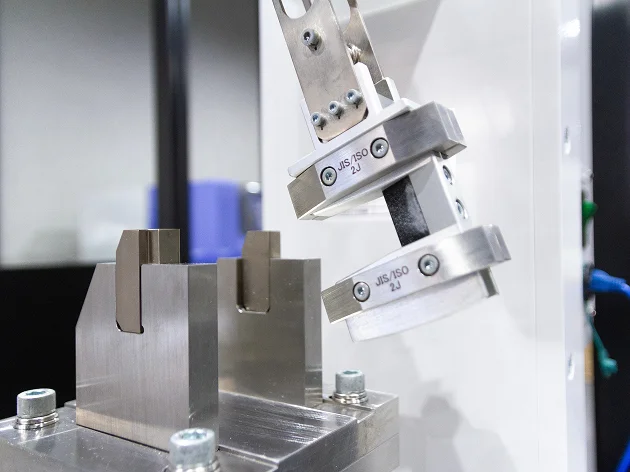
In accordance with ISO 179-1 and JIS K 7111-1, the toughness and brittleness of materials are evaluated by fracturing notched test specimens.
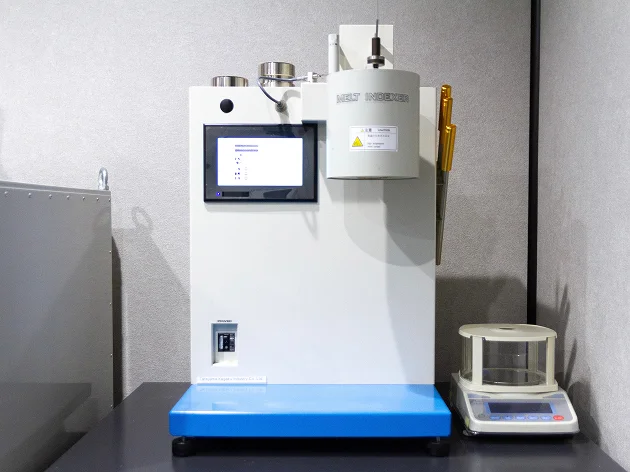
In accordance with ISO 1133 and JIS K 7210-1, the melt flow rate is measured at the optimal temperature and load according to the type of resin.
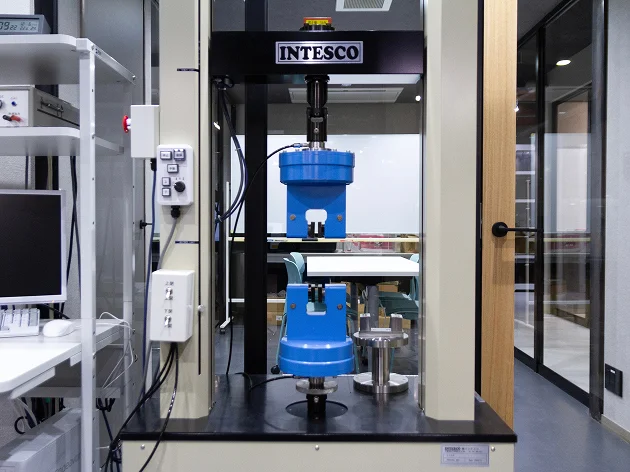
We measure various physical property data using tensile tests in accordance with ISO 527 and JIS K 7161-1, and bending tests in accordance with ISO 178 and JIS K 7171.
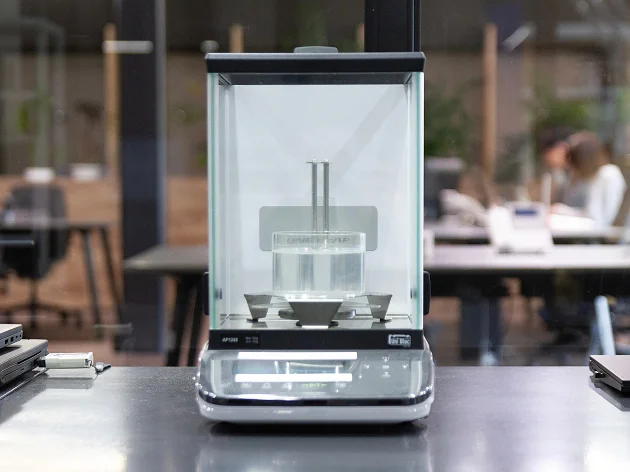
Specific gravity is measured using the water displacement method in accordance with ISO 1183-1 and JIS K 7112.
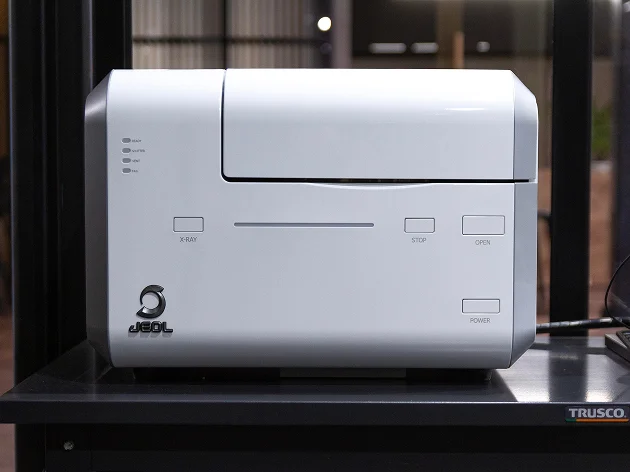
In accordance with IEC 62321-3-1 and JIS C 62321-3-1, we are able to identify and measure heavy elements greater than magnesium (Mg), and we also perform screening analysis in accordance with the maximum permissible concentrations of each substance regulated by the RoHS Directive [lead, mercury, hexavalent chromium, PBB, PBDE: 0.1 wt% or less each, cadmium: 0.01 wt% or less].
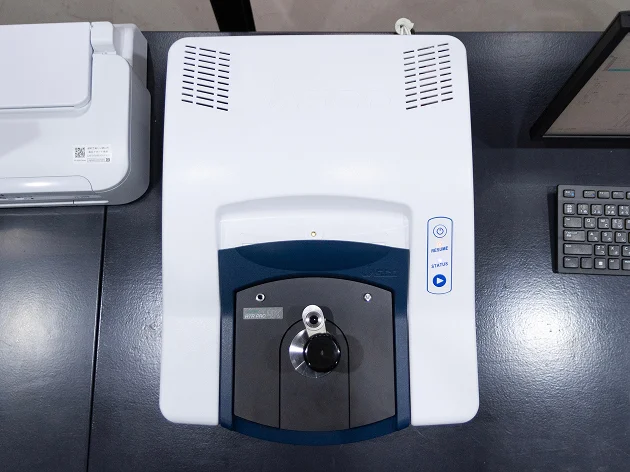
In accordance with ISO 10640 and JIS K 7120, we rapidly identify and confirm the presence or absence of contamination by minute foreign matter or substances through analysis of the structure and composition of samples.
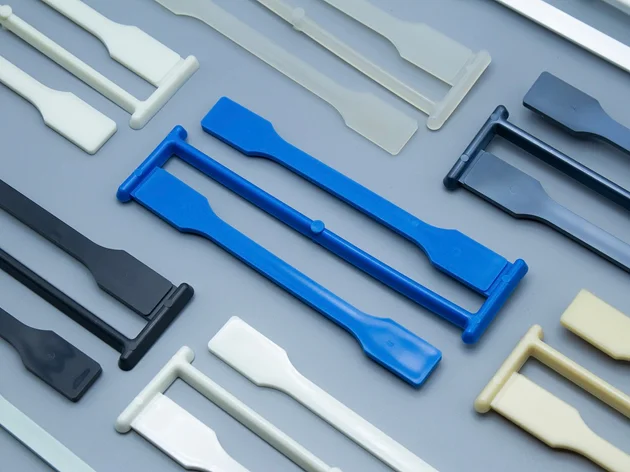
In accordance with ISO 20753 and JIS K 7139, we prepare various test specimens for high-precision evaluation tests by adding notches and side cuts according to the requirements of each measurement.
For inquiries or to subscribe to our newsletter/market report, please click here. As your "partner" in plastic recycling, we will work closely with you to address your challenges and support you in finding solutions.