



1. Growing demand for recycled plastic raw materials
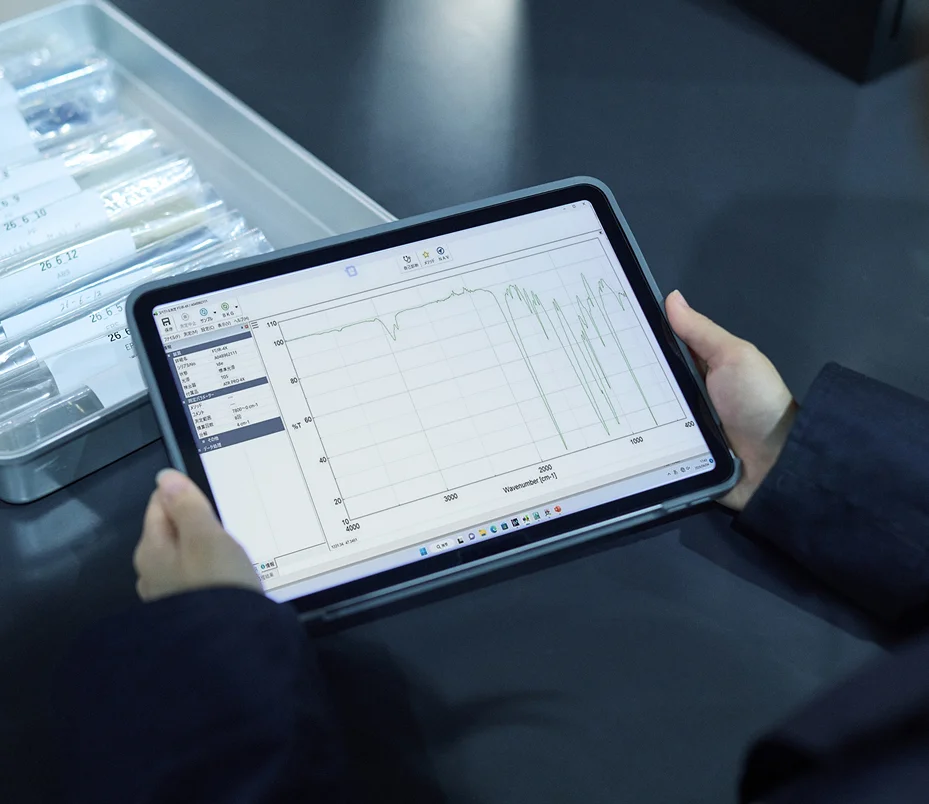
Amidst the worsening environmental problems such as global warming and marine plastic pollution, and the growing social demand to conserve limited natural resources, the "quality" of raw materials that companies procure is now being questioned. In the past, virgin raw materials derived from petroleum were the obvious choice because they were "stable to procure (easy to obtain)" and "of good quality (high yield rate)."
As we move from a linear economy to a circular economy, environmental considerations are now required even in the procurement of raw materials. In addition, the EU's revised "ELV Regulation" (End-of-Life Vehicle Regulation) is moving towards mandating the use of at least 15-20% environmentally friendly plastics (PCR: Post-Consumer Recycled, PIR: Post-Industrial Recycled, CR: Chemical Recycled, Bioplastics, etc., definitions are not yet finalized) in plastic parts used in new cars, although the timing of implementation is currently undecided (as of August 2025). Furthermore, in the packaging sector, the PPWR (Packaging and Packaging Waste Regulation) will be gradually applied from August 2026, and it is being considered that the use of recycled plastics will become mandatory in stages from 2030 and 2040 onward.
These trends are not limited to Europe; they are also occurring in Japan. The proposed amendment to the "Act on Promotion of Effective Utilization of Resources," scheduled to come into effect in 2026, includes a provision to "mandate the use of recycled materials." This will identify products that will be subject to the obligation to use recycled materials, and manufacturers of such products will be required to submit plans regarding the use of recycled materials and to submit periodic reports.
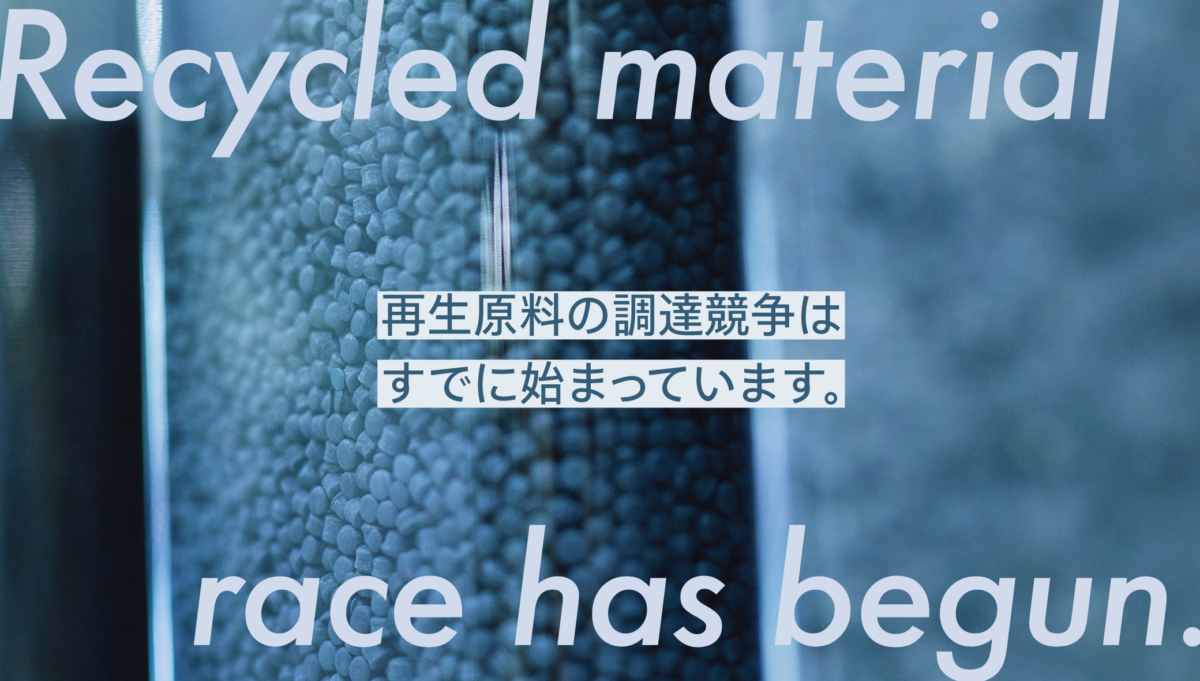
As society moves towards mandating the use of recycled plastic raw materials, the ability to procure recycled plastic raw materials that meet their specific needs will become a crucial aspect of corporate risk management for manufacturers and brand owners. Since recycled plastic raw materials are inherently limited in quantity, increased demand could easily lead to fierce competition for procurement. Therefore, procuring recycled plastic raw materials should be viewed as a key "management strategy" to enhance a company's competitiveness, and proactive efforts in this area are essential.
2. Is it true that recycled materials are more expensive than virgin materials?
As more companies consider switching from virgin raw materials to recycled plastic raw materials, we often hear comments like this from manufacturers and brand owners in their procurement and manufacturing departments.
"Recycled materials are good for the environment, but aren't they more expensive than virgin materials?"
"Virgin tuna is the upper limit for price. Anything above that won't get approved internally."
"We hesitate to use recycled materials because it would impact the unit price of our products."
Concerns about the cost of these recycled plastic raw materials are constant. In fact, many plastic product manufacturers procure raw materials based on "virgin price," and there are hurdles to adopting raw materials that exceed this virgin price.
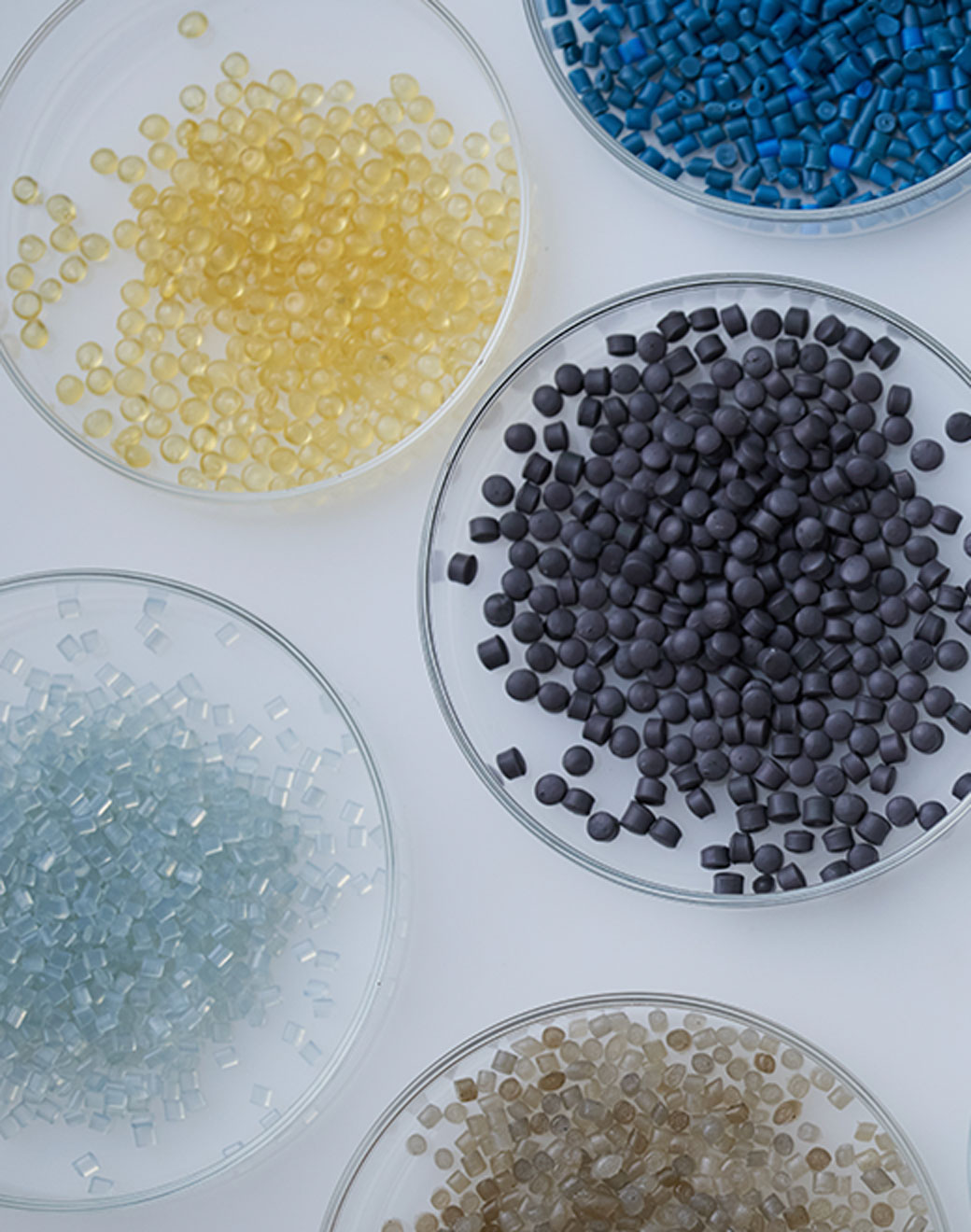
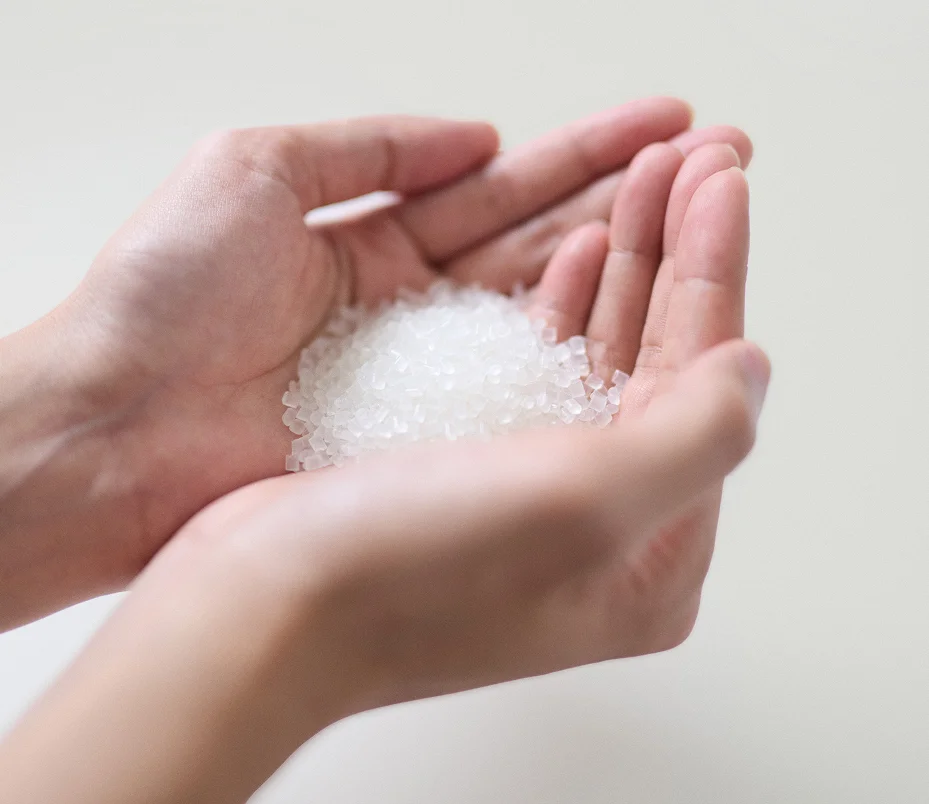
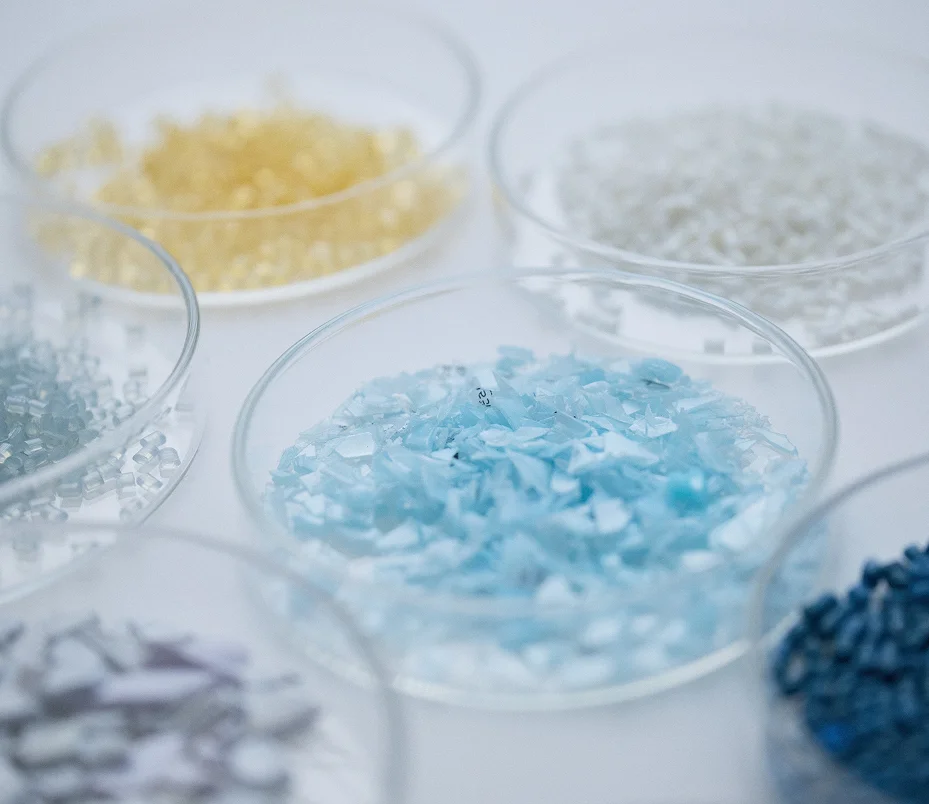
Recycled plastic raw materials are produced by collecting unwanted plastic resources, performing primary processing such as volume reduction and washing, and then undergoing further processing such as compounding as needed before being supplied to recycled material users. In some cases, processes such as in-store collection, dismantling, and manual sorting and foreign matter removal are incorporated, so you can see that the supply chain is long and involves many steps. This is the main reason why recycled materials give the impression that they are more expensive than virgin materials.
However, recycling businesses nationwide, including Pantech , have always been mindful of improving transportation and production efficiency, and have focused on developing and proposing "recycled materials that can be supplied at a price equivalent to or lower than virgin materials." Thanks to these efforts by companies in the reverse recycling industry, an economically viable supply chain for recycled materials exists. In fact, in industries such as logistics materials, building materials, and horticulture, recycled materials have been adopted as part of cost reduction measures even before sustainability became a major focus.
When we mention low prices, many people might think, "You get what you pay for." While it's true that recycled materials vary in quality, recycled materials derived from pre-consumer and post-consumer materials, such as production losses, that utilize advanced blending techniques tend to have relatively stable quality, and some are even competitively priced. That being said, recycled materials inevitably exhibit more variation in physical properties compared to virgin materials. Therefore, while technical skill is necessary to effectively use recycled materials, it's also possible to minimize their impact on the final product's quality by adjusting the blending ratio, such as setting it lower.
3. Expensive recycled materials have value that justifies their price.
On the other hand, in the actual market, there are many recycled materials that are sold at prices higher than those of virgin materials. Are such materials really "too expensive"?
I've heard from corporate procurement managers that these recycled materials have "functional and social value" that goes beyond their price, and that this is actually the reason they choose these materials.
For example, chemically recycled raw materials that have obtained ISCC PLUS certification, material recycled raw materials derived from ocean-bound plastics (OBP), and recycled materials that meet stringent quality requirements regarding environmentally harmful substances in food contact applications, medical fields, and precision machinery are generally traded at several times the price of virgin materials, as their scarcity and quality control costs are reflected in their price.
These high-priced materials have a clear supply chain, and their use allows companies to narratively demonstrate their stance as manufacturers and brand owners, fostering trust with stakeholders such as consumers, business partners, and investors. In other words, many companies believe that recycled materials, even if more expensive than virgin materials, are worth adopting because they offer not only sustainability benefits but also branding advantages.
These recycled materials are not merely "materials to reduce costs," but rather materials that give meaning to the product itself and demonstrate the company's stance. By adopting them, the environmental value of the product is clearly demonstrated, leading to the building of trust with consumers, business partners, and investors. The fact that recycled materials are "chosen even if they are more expensive" symbolizes the shift from an era of "using them because they are cheap" to an era of "using them as a strategy."
4. Procurement of recycled plastic raw materials as a "business strategy"
Using recycled materials to reduce costs or for sustainability purposes are both valid choices. These choices should never be dismissed. However, what we want to emphasize here is that recycled materials have even greater potential.
What's needed now is to redefine procurement not merely as a means of cost management or compliance with regulations, but as a means of value creation.
Reviewing raw material procurement is a critical issue that affects the entire supply chain, including product planning and design, research and development, and manufacturing, and even impacts the company's brand. Specifying recycled materials involves many people and therefore consumes significant resources. For this reason, it is worthwhile to re-examine the meaning and purpose of using recycled materials as a company, rather than simply choosing between "because it's cheap" or "because it's good for the environment." As societal rules are being rewritten in preparation for the transition to a circular economy, the use of recycled materials by manufacturers and brand owners is becoming a societal requirement. If we can reconsider the procurement of recycled materials within a business context, it can become a "management strategy" to enhance competitiveness and brand value.
Whether utilizing recycled materials for price competitiveness or to enhance corporate competitiveness, procuring recycled materials is no easy task. If you wait until demand for recycled materials increases and procurement competition intensifies, you risk falling behind; proactive action is crucial. Procuring recycled materials requires overcoming practical challenges and internal barriers one by one, and the ability to effectively leverage external partners will determine success or failure.
Sourcing recycled materials goes beyond the interests of a single company or country; it's a step towards protecting our shared planet. As global industries shift towards sustainability, this choice transcends national borders and has the power to shape the future. Let us walk together, hoping that our small decisions today will contribute to a healthier planet and greater prosperity for humanity a hundred years from now.