

This time, we'll be highlighting some of the most popular developments in Vietnam from our "Market Report" articles.
With the promulgation of Decree 110/2026/ND-CP in April 2026 and its implementation in May, Vietnam is fully implementing its Extended Producer Responsibility (EPR) system. The system is shifting from one where obligations could be fulfilled by paying contributions to one where manufacturers themselves are responsible for collection and recycling, marking a major turning point for the recycled plastics industry.
With all businesses involved in the supply chain now required to take action, we have compiled a digest of the essential points you should keep in mind.
Vietnam | EPR system shifts from "cost-based" to "implementation-based" model, marking a turning point for the recycled plastics industry.
The EPR system is being finalized, and contributions alone will not suffice.
Decree 110/2026/ND-CP, promulgated in April 2026 and enforced on May 25, specifies the procedures for reporting and paying contributions by manufacturers and importers responsible for product and packaging recycling, as well as the management and distribution of those contributions.
On August 11, the United Nations Development Programme (UNDP) hosted a meeting where government agencies such as the Vietnam Environmental Agency, industry associations, companies, and collection and recycling businesses discussed improving the effectiveness of the Producer Responsibility Routing (EPR) system. The discussion focused on gradually phasing out the current system of fulfilling obligations through contribution payments, and shifting towards manufacturers themselves, or through recycling businesses and PROs, taking on the responsibility of collection and recycling.
It is hoped that this will develop into a system that not only covers the cost but also promotes actual collection and recycling.
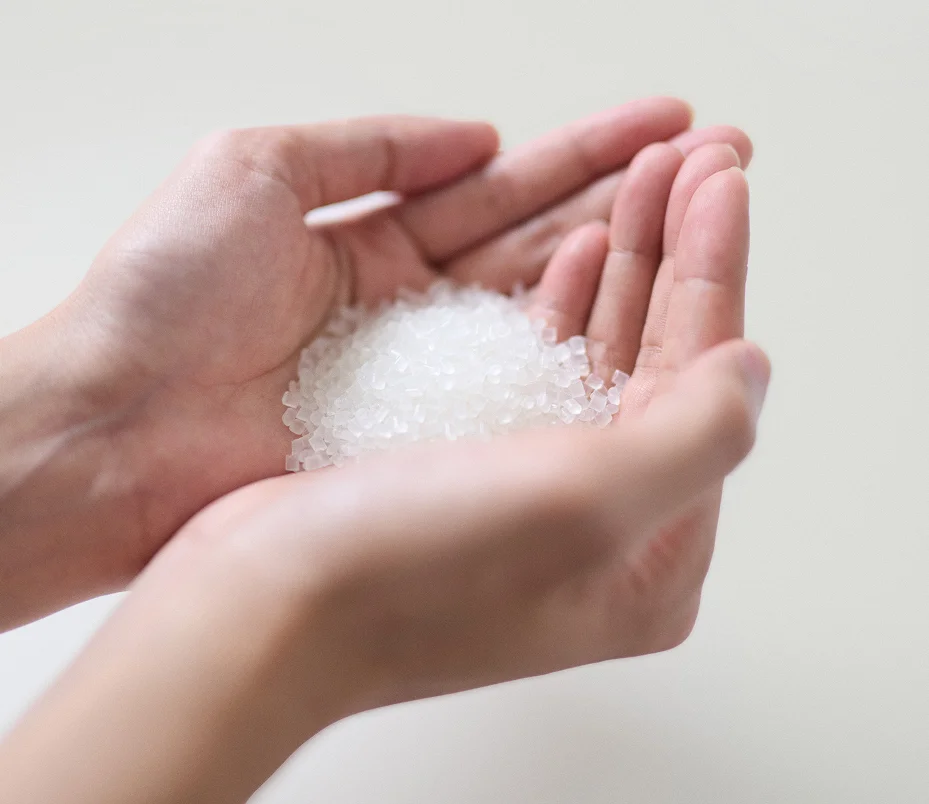
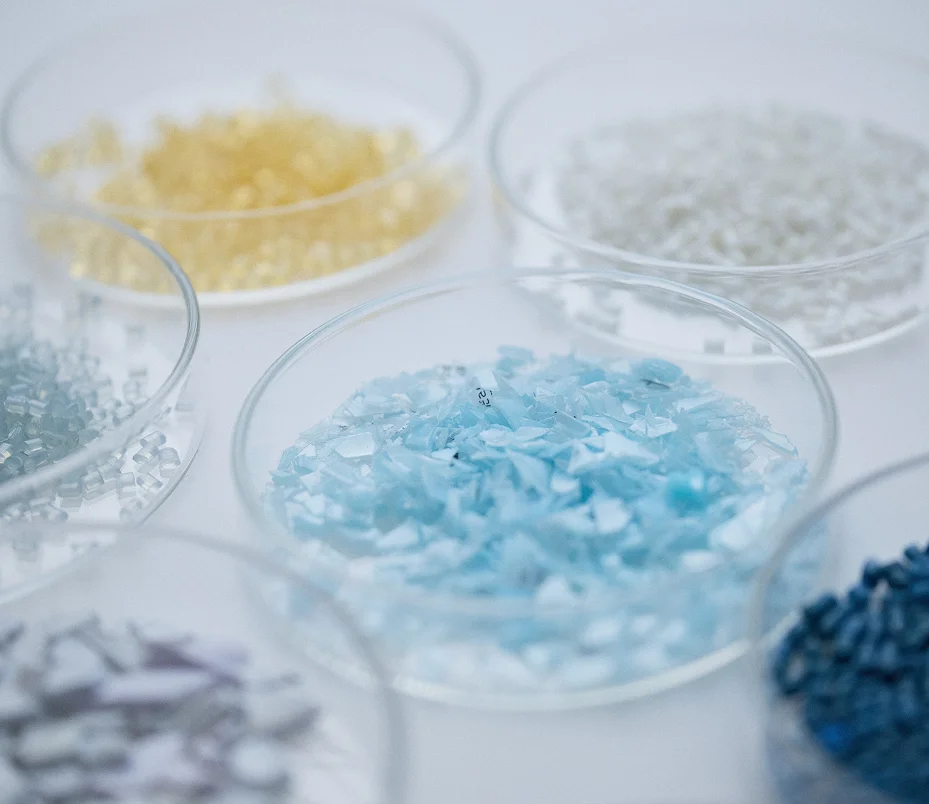
This increases the likelihood of developing a circular supply chain that handles everything from the collection of waste plastics to sorting, washing, crushing, flakeping, pelletizing, and quality assurance before supplying them to manufacturers.
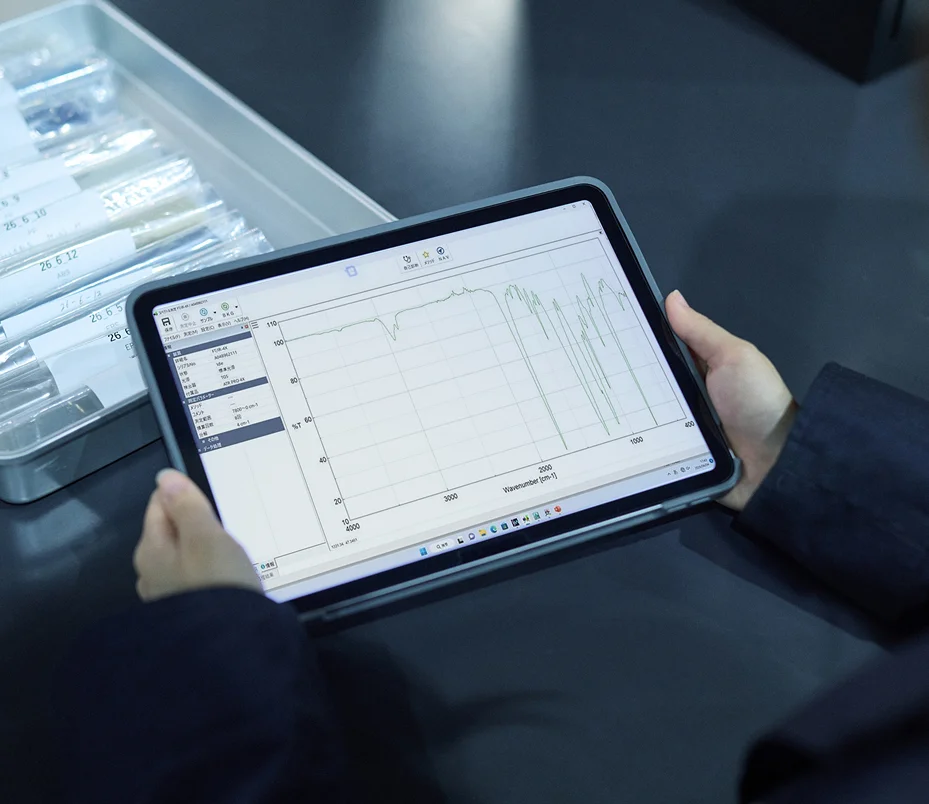
Recycled PET, recycled PP, and recycled PE are particularly promising, sharing the common characteristic of having a wide range of applications, including beverage bottles, containers, daily necessities, films, and bags. In the future, in addition to PCR content, quality data such as physical properties like MFR, moisture content, foreign matter and metal contamination rates, color difference, and odor will be required, as well as traceability information such as the origin of the raw materials, collection area, recycling process, and lot management. The market is expected to shift from one where "quantity" is the primary concern to "quality."
The above is a digest of some of the articles.
If you are interested in the contents, please apply for the market report using the link below. We send out market reports by email at the beginning of each month.