


The introduction of recycled materials begins with a "management decision."
Companies that are successfully implementing recycled materials seem to be starting their discussions not on "cost" or "physical properties," but on their management vision of "what kind of circular economy scheme we want to create for our own company."
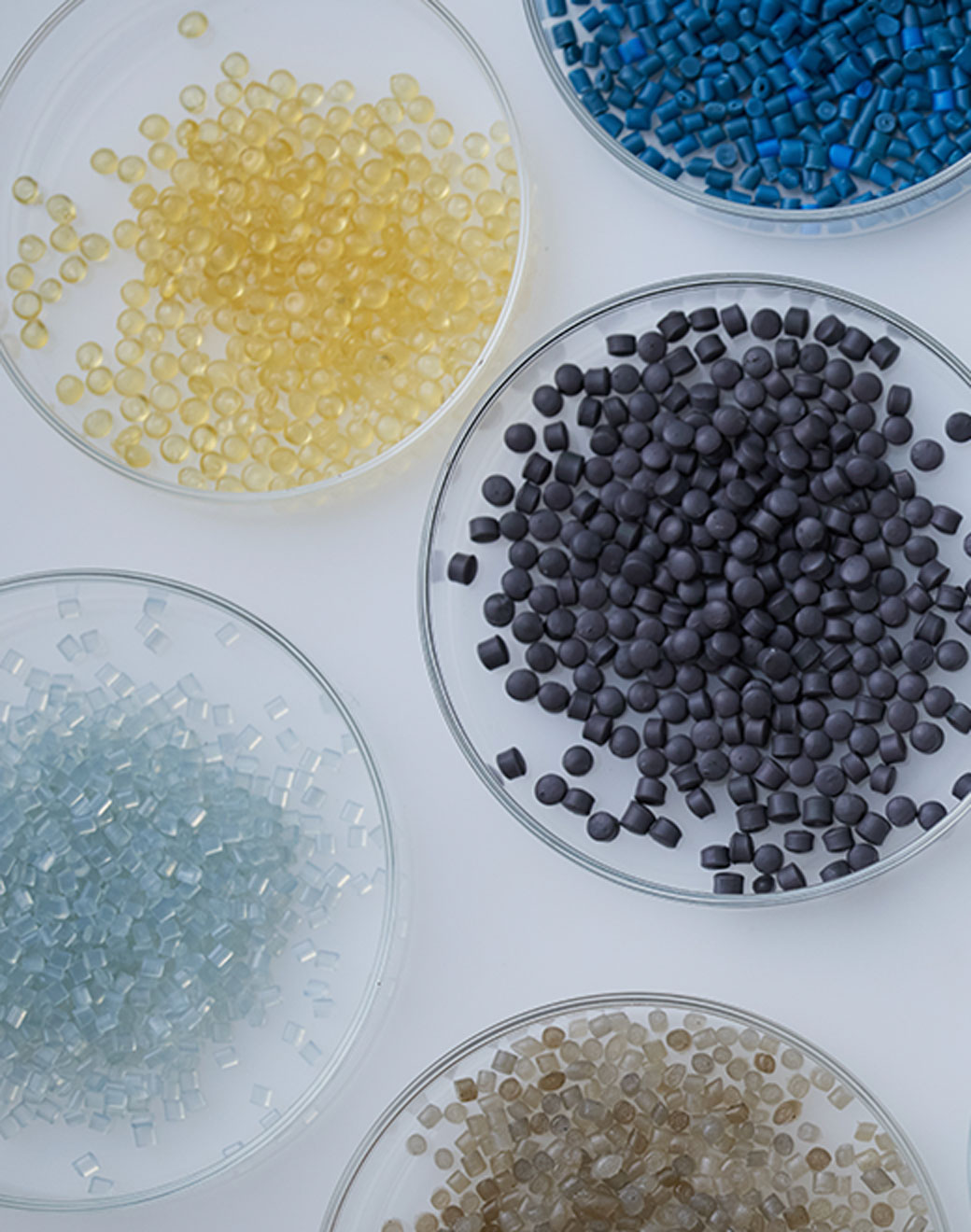
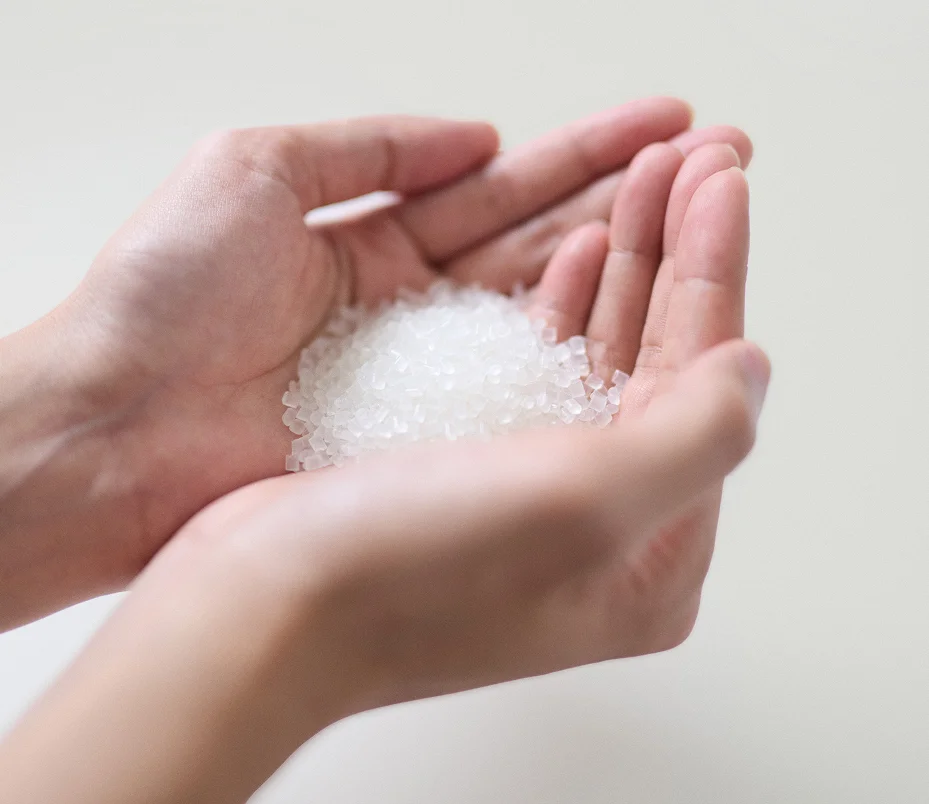
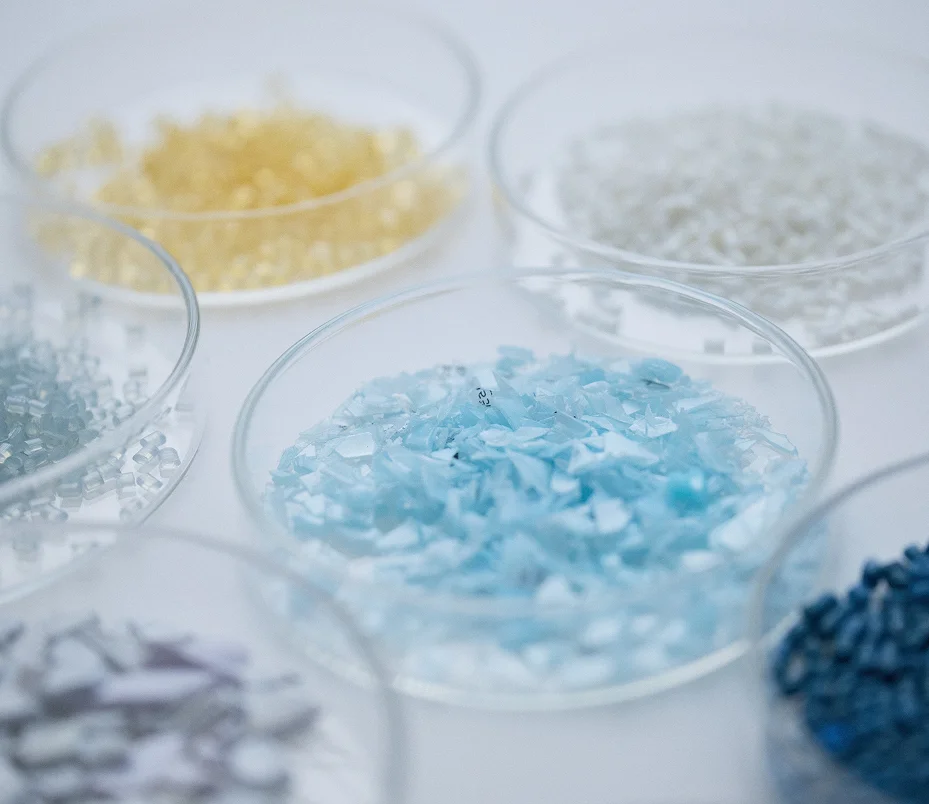
Recycled plastic raw materials are made from waste generated during factory production processes and used products. Therefore, compared to virgin materials made from petroleum, they tend to exhibit greater variation in distribution volume and variations in physical properties and color from batch to batch. This tendency is particularly pronounced in post-consumer materials.
Whether you avoid this "fluctuation" as a "source of uncertainty" or embrace it as a "starting point for new value," the difference in attitude will greatly affect the quality and speed of the implementation process.
Setting environmental targets such as "converting 30% of raw materials used to recycled materials by 2030" is a valid starting point, but it is not enough. It is important to position the introduction of recycled materials as a "company-wide decision-making matter," share it throughout the company, and create a roadmap for how to optimize it for the company. Specifically, how do we interpret the "variability" in quality unique to recycled materials, and how do we incorporate that into the operational design? By deepening discussions on this, it becomes easier to generate constructive dialogue that transcends differences in interest between departments.
Introducing recycled materials is a technical challenge, but it is also a management issue that fosters a "culture of dealing with variations in quality." The clearer the management's intention, the more unwavering the decisions made on the ground will be, and the more steadily the process will progress.

Flexible application design that embraces "variability" rather than strict specifications.
When introducing recycled materials, the first thing that many companies discuss is "where to use the recycled materials."
However, essentially, we believe it's important to explore "for which applications, the product value can be maintained while absorbing variations in quality." If we try to find recycled materials with the same specifications as the virgin materials currently in use, or if we set strict specifications, it can become difficult to find materials that meet the requirements from a procurement and cost perspective.
Introducing recycled materials is a time-consuming process. It might be more practical to spend that time on "how to make the most of readily available recycled materials" rather than "searching for the ideal recycled material."
Recycled materials have variations in quality—with that in mind, it's crucial to consider from the design stage "what to preserve and where to allow for adjustment."
Therefore, we believe that implementation doesn't necessarily have to start with areas that directly impact the appearance or brand image.
One realistic approach is to begin by considering parts that are relatively easy to absorb variations in the quality of recycled materials, such as internal structural components and auxiliary parts. By accumulating the understanding and experience gained in this way, the scope of application can be gradually expanded. This process is not so much about caution, but rather a sincere and rational way to adapt to change while valuing the manufacturing culture. Defining the application is not about imposing constraints, but about incorporating the variations in recycled materials into the design. Introducing recycled materials is not about finding a material that perfectly suits your company's conditions, but rather about the process of "optimizing the design based on the premise of variation."
The reason domestic circulation isn't progressing isn't a lack of "technology," but rather a lack of "values."
Of the plastics recycled in Japan, only about 30% are reused domestically, with over 70% being exported overseas. This is due to a structure where overseas consumers actively utilize recycled materials that Japanese consumers choose not to use. This is not a matter of technology or regulations, but rather largely a matter of differing values.
Traditionally, the selection of virgin materials relied primarily on three factors: performance, price, and supply stability. However, these factors constantly fluctuate when it comes to recycled materials. Japan's manufacturing culture, which has evolved in pursuit of stability, efficiency, beauty, and functionality, sometimes makes the transition to a circular economy difficult. What is needed now is an attitude of seeking new optimal solutions based on resource recycling, rather than clinging to past optimal solutions.
By rethinking the use of recycled materials as a "starting point for new value," we can gain different ideas and competitive advantages. This is not a compromise, but rather a turning point for building a long-term competitive advantage.
Instead of eliminating the "variations" in recycled materials, we aim to understand, accept, and transform them into value.
I believe that the companies that can truly realize a domestic circular economy for plastic resources are not those that "find" recycled materials, but rather those that can "update their values."
Data should be used for making decisions, not as a source of reassurance.
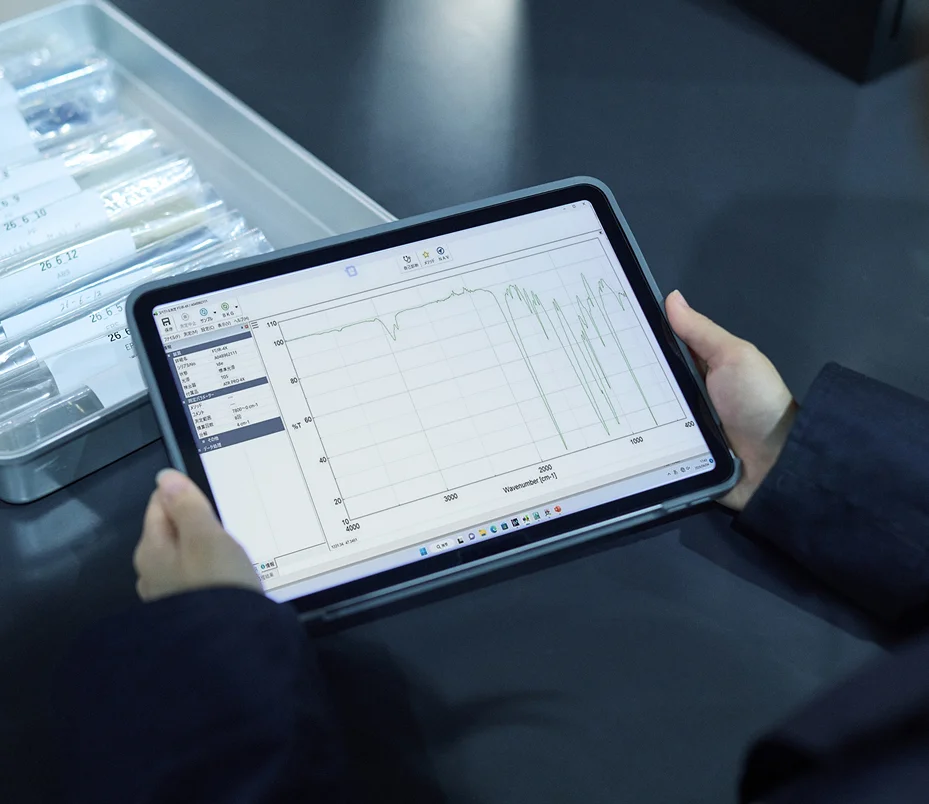
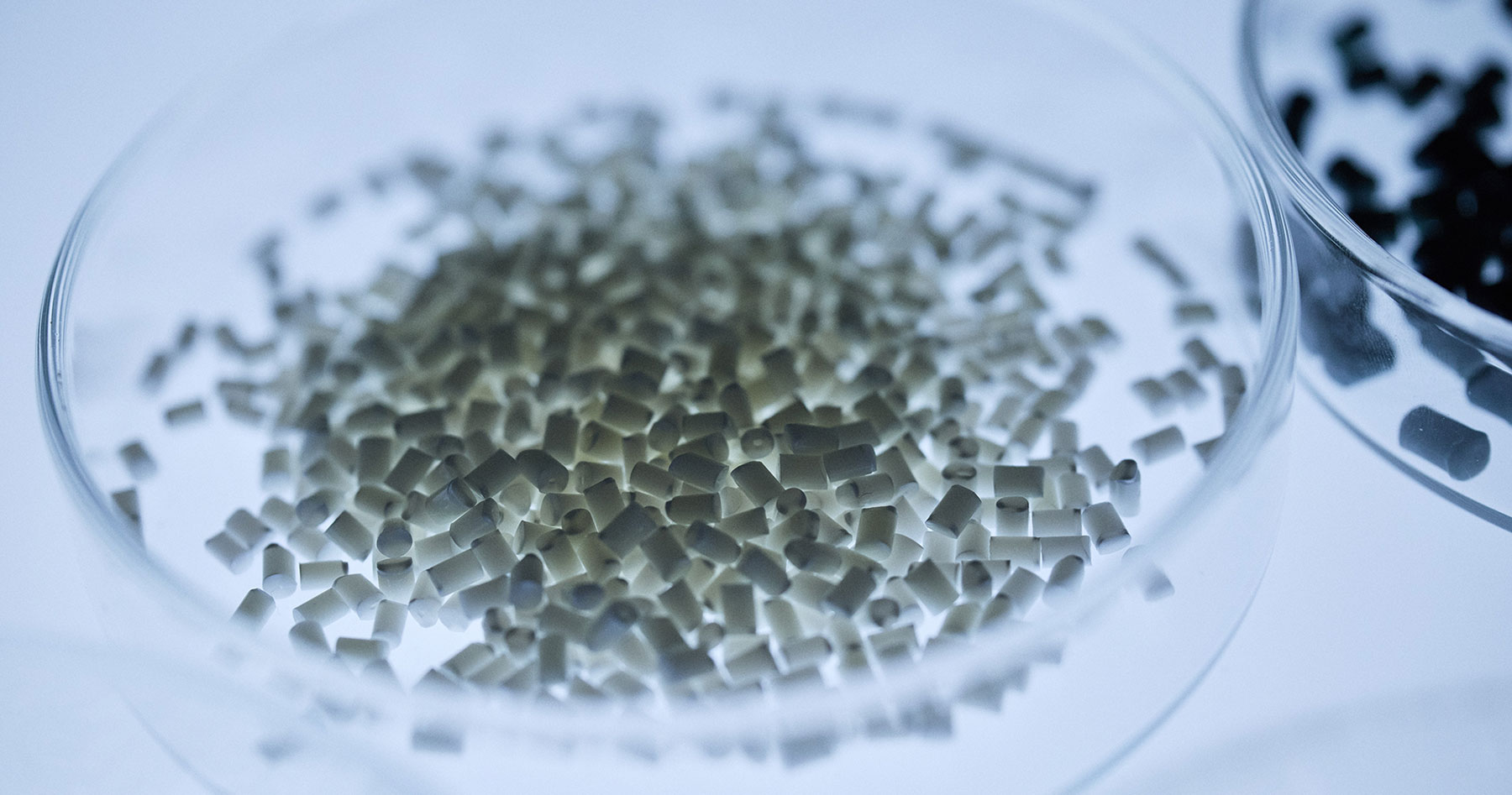
The use of data is essential for the successful introduction of recycled materials. Having information on quality, supply volume, price, quality control systems, and environmental performance allows for constructive discussions not only on whether or not to introduce the materials, but also on "how to utilize them." The important thing is not to use data as "evidence of security," but rather as "the basis for taking the next step." Clearly identifying where certainty lies and where uncertainty lies, and moving forward while managing risks, is a realistic approach.
The supply chain from the collection of unwanted plastics to the processing and supply of recycled materials is long and involves multiple businesses, making it difficult to gather the necessary data. Recycled materials with international certifications such as GRS, ISCC PLUS, and RecyClass are highly reliable, but their market share is limited and their prices tend to be relatively high. Therefore, selecting a supplier that can ensure data transparency is a crucial point for successful implementation.
Sourcing schemes for recycled materials will be key to future competitiveness.
There is still no established "map" in the field of plastic recycling.
The methods of sourcing raw materials, the reproducibility of processing, quality assurance systems, supply schemes, and utilization methods—these are all being verified and updated little by little at each site on a daily basis, but much of this information is kept confidential. In this situation, it seems that companies that take the stance of "drawing the map themselves" rather than "waiting for someone else to draw the map" are the ones that can turn change into an opportunity. Waiting for perfection is synonymous with postponing change. It is companies that start small and accumulate knowledge that will be able to take the lead in the era of the circular economy. The supply of recycled materials is limited compared to virgin materials. With demand expected to expand due to stricter regulations such as the ELV rule and PPWR, the recycled material market is already entering the stage of "procurement competition." In other words, how a company can build a procurement scheme for recycled materials is directly linked to its competitiveness going forward. Resource recycling does not work with systems and ideals alone. Accumulation of dialogue and verification at the site will lead to the implementation of recycling. Now, as many companies begin considering implementation, I believe how we act will be a turning point that will determine our competitiveness over the next 10 years.
Pantech , we have established a comprehensive system that handles everything from the collection of unwanted plastics to the processing of recycled materials, compounding, quality control, and supply. We have supported the introduction of recycled materials for many manufacturers and brands. We listen to your needs regarding applications, required functions, procurement volume, acceptable quality fluctuations, and target price, and together we create an optimal introduction and operation roadmap based on our unique database. We believe that Pantech 's role is to support the implementation of a recycled material procurement scheme that actually works, rather than just theoretical concepts, and to encourage change on the ground.