Who We Are
Pantech's Philosophy & Ideology

The EU's new packaging regulation, the PPWR (Packaging and Packaging Waste Regulation), has already partially come into effect since August 12, 2026, and the requirements will become even more stringent in the future. For companies exporting flexible plastic packaging and transport materials to the EU, there are many issues to consider, from raw material selection to labeling and documentation, and confirming their own position. This column will summarize what needs to be addressed immediately, what will be decided in the next few years, and what will become fully implemented after 2030, and will also include the perspective of transitioning to recycled materials (PCR materials). *The content of this article is based on information as of September 2026.
The adoption of recycled materials is shifting from an "environmental consideration" to a "business strategy." With the application of the PPWR, the promulgation and enactment of the ELV regulations, and the amendment of the Resource Recycling Promotion Act in Japan, the regulatory environment is changing dramatically, and the competition for procuring recycled materials has already begun. How do we address concerns about adoption, such as "high costs" and "variable quality"? Based on Pantech's experience of being involved in plastic resource recycling for approximately 30 years, we will organize the thinking behind realizing the adoption of recycled materials as a practical manufacturing process.
As manufacturers and brand owners promote responsible and environmentally conscious sourcing as part of their sustainability efforts, an increasing number of companies are encouraging the use of recycled plastic raw materials. Furthermore, there is ongoing discussion worldwide, including in Japan, about mandating the use of environmentally friendly plastics, such as recycled and bioplastic raw materials. This article will introduce a perspective that views the introduction of recycled plastic raw materials not merely as a regulatory compliance measure, but as a strategic initiative for companies.
The transition to a circular economy has become an indispensable theme for corporate survival strategies. As exemplified by the EU's ELV regulations and PPWR (Packaging and Packaging Waste Regulations), there is a growing movement to mandate the use of recycled plastic raw materials (hereinafter referred to as "recycled materials"). In Japan, the amendment of the Resource Recycling Law is also considering the products that will be required to use recycled materials. In the future, companies that cannot comply with the mandatory use of recycled materials may be forced to withdraw from the market. While "environmental considerations" were once within the context of CSR and sustainability, the structure in which "companies that can introduce recycled materials gain a competitive advantage in the market" is becoming a reality. Therefore, it is desirable to view the introduction of recycled materials as a management issue that affects both the sustainability and competitiveness of a business. Under these circumstances, many manufacturers and brands are beginning to make progress in introducing recycled materials and securing raw materials. However, many voices from the field express concerns such as "We want to use recycled materials, but we can't find raw materials that meet our requirements" and "We are worried about variations in quality." Introducing recycled materials is a complex issue that spans multiple departments, including planning, design, procurement, manufacturing, and quality assurance, and goes beyond simply "replacing raw materials." Furthermore, there are challenges in incorporating new materials while respecting the commitment to quality rooted in Japan's manufacturing culture and the manufacturing philosophy that has been cultivated over many years. This article will organize and share the necessary concepts for realizing the introduction of recycled materials as "real-world manufacturing," based on the experience of Pantech, which has been involved in plastic resource recycling for approximately 30 years.
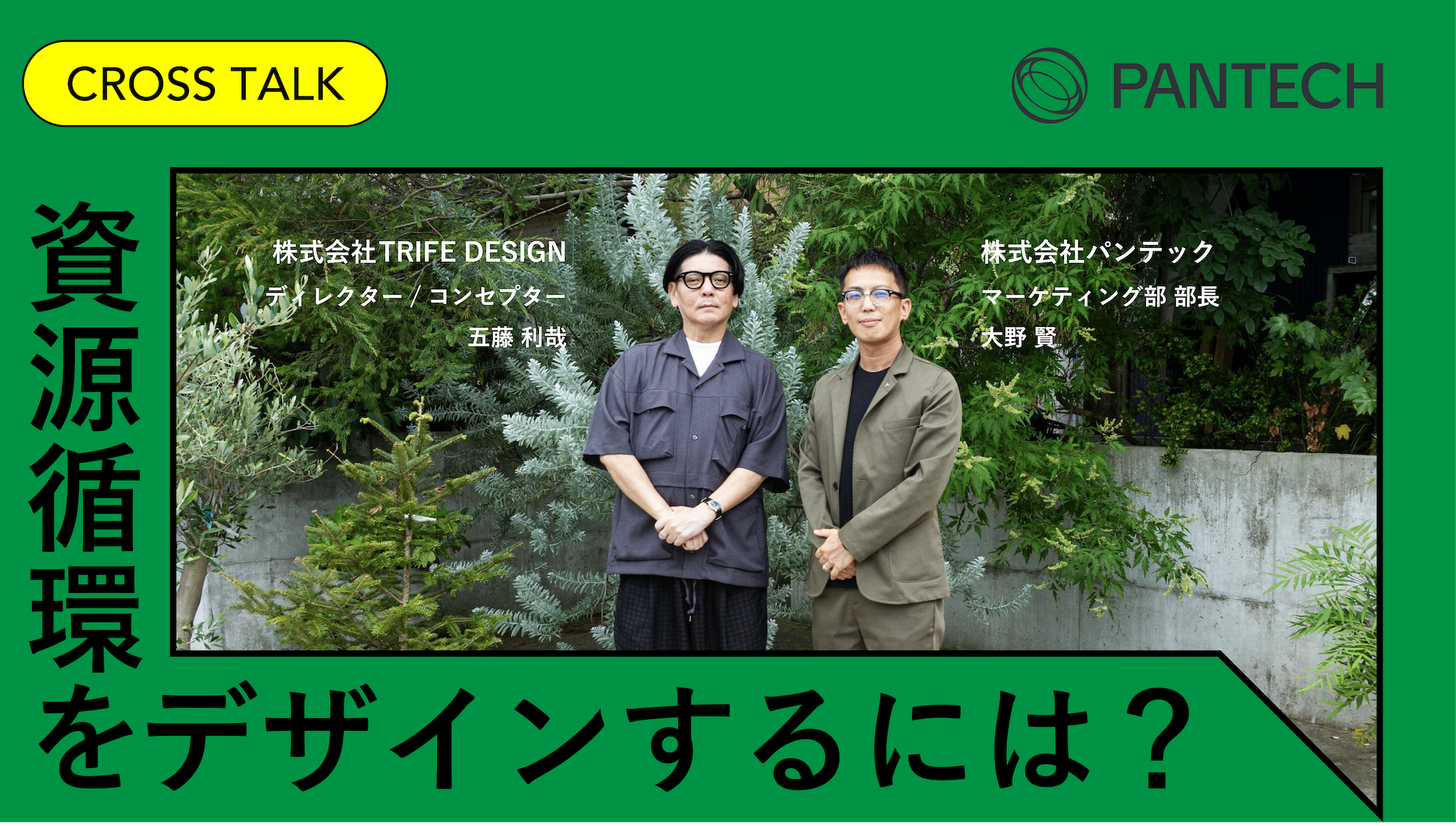
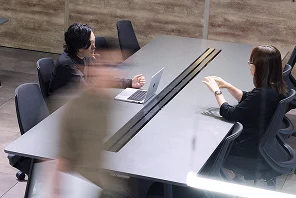
The recycling of plastic resources is now a global trend. In Japan, with the enactment of the "Act on Promotion of Plastic Resource Recycling," there is an increasing need to create "mechanisms that make it easy to return materials to resources" from the product design stage. But will simply changing product design really promote resource recycling? This time, Ohno, who oversees the marketing department at Pantech Co., Ltd., exchanged views with Mr. Goto, Director/Conceptor at TRIFE DESIGN Co., Ltd., which is promoting the creation of resource-recycling brands. Through this dialogue, we explore the challenges and possibilities of how companies should transition to circular manufacturing.
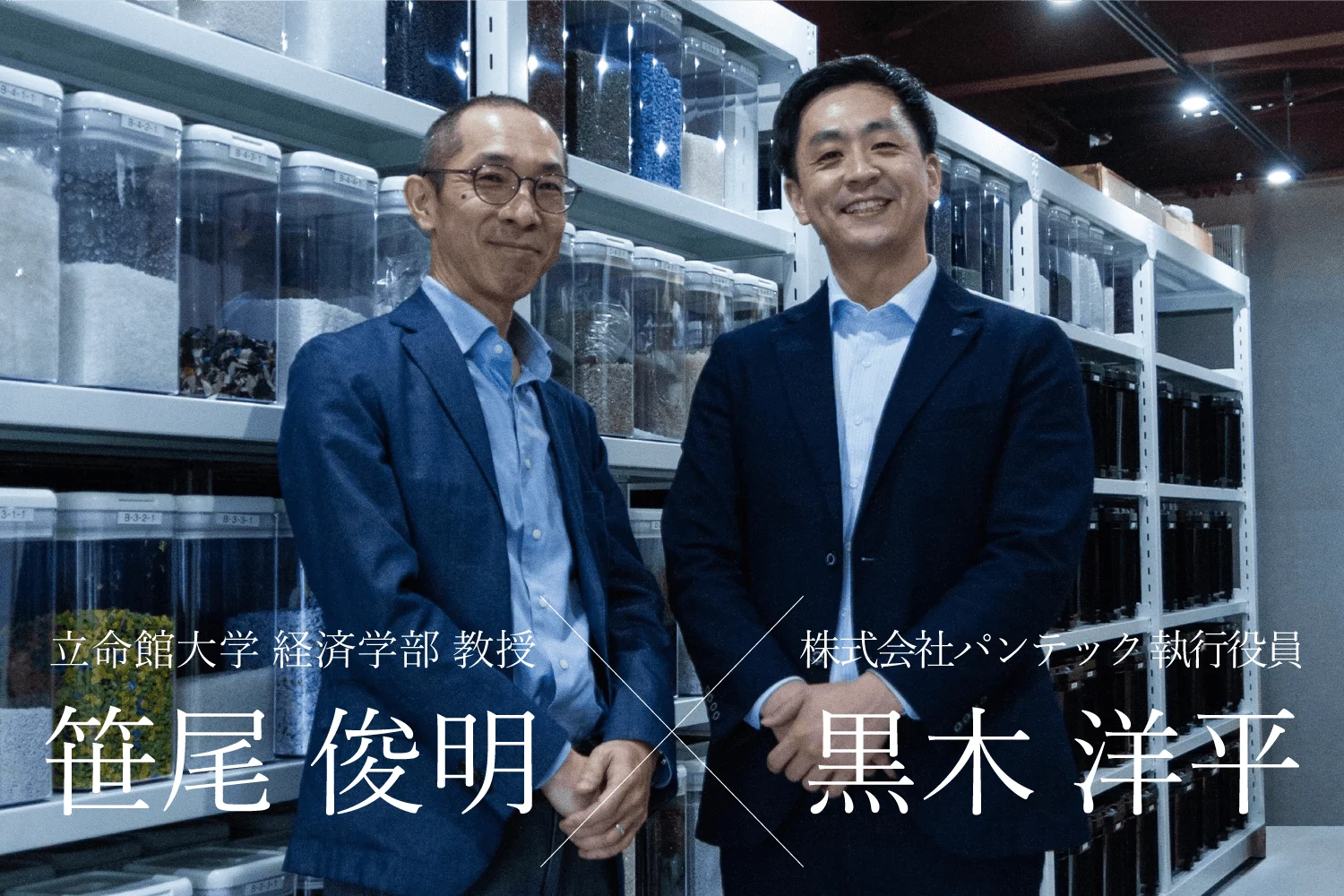
As a special event commemorating the 200th issue of "Market Report," Professor Toshiaki Sasao, who specializes in environmental economics at Ritsumeikan University, and Yohei Kuroki, our company's executive officer and head of the Circular Economy Promotion Department, will discuss the theme of "How to implement plastic resource recycling in society."
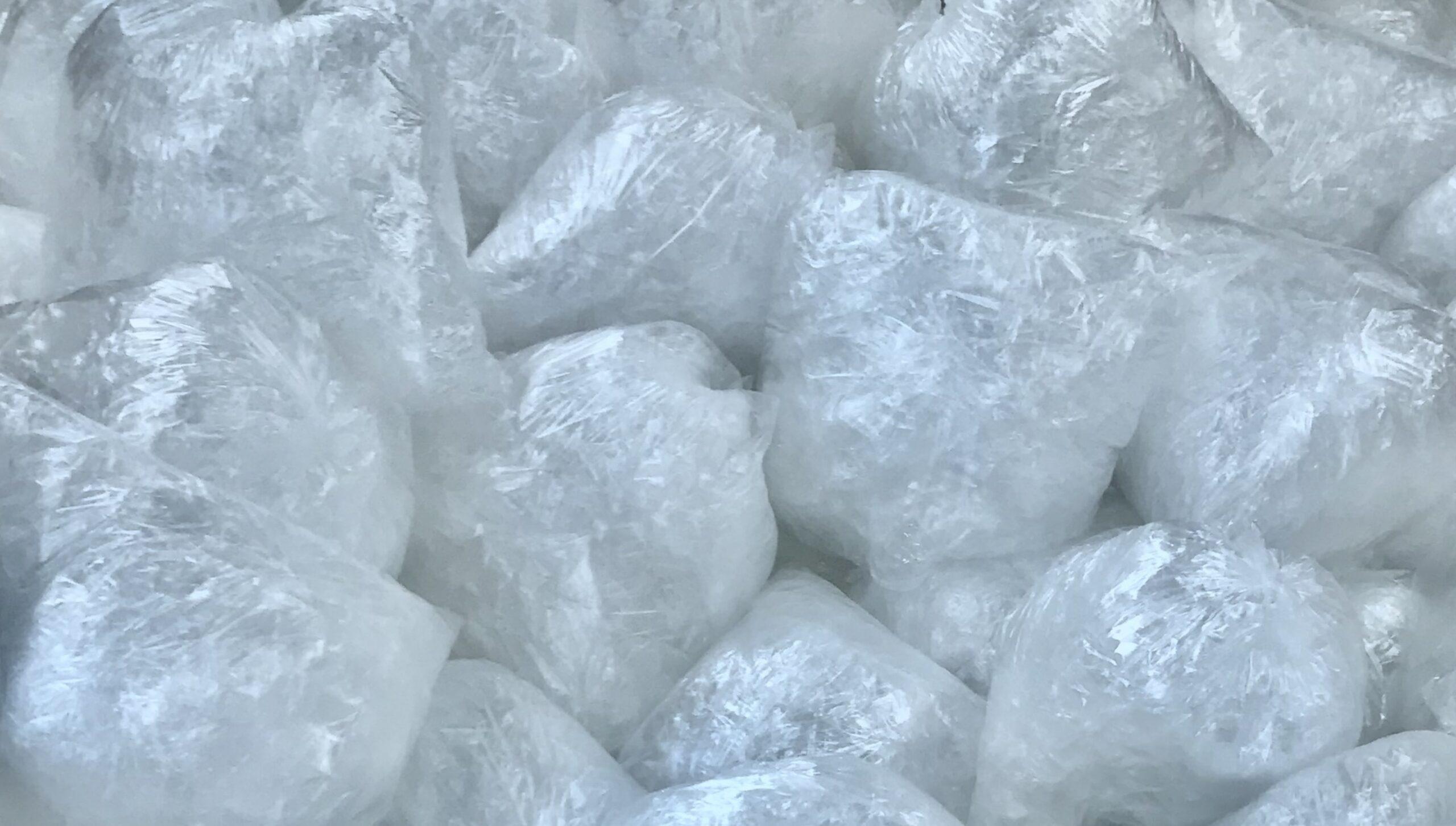
Are you recycling used film products at your company? Many companies use a large amount of film products, such as bags for product packaging and stretch film to prevent cargo from shifting. However, very few companies are able to recycle these products instead of using them as single-use items. This time, we will introduce how to build a closed-loop system for used film products, which seems possible but is not being done.
For inquiries or to subscribe to our newsletter/market report, please click here. As your "partner" in plastic recycling, we will work closely with you to address your challenges and support you in finding solutions.