

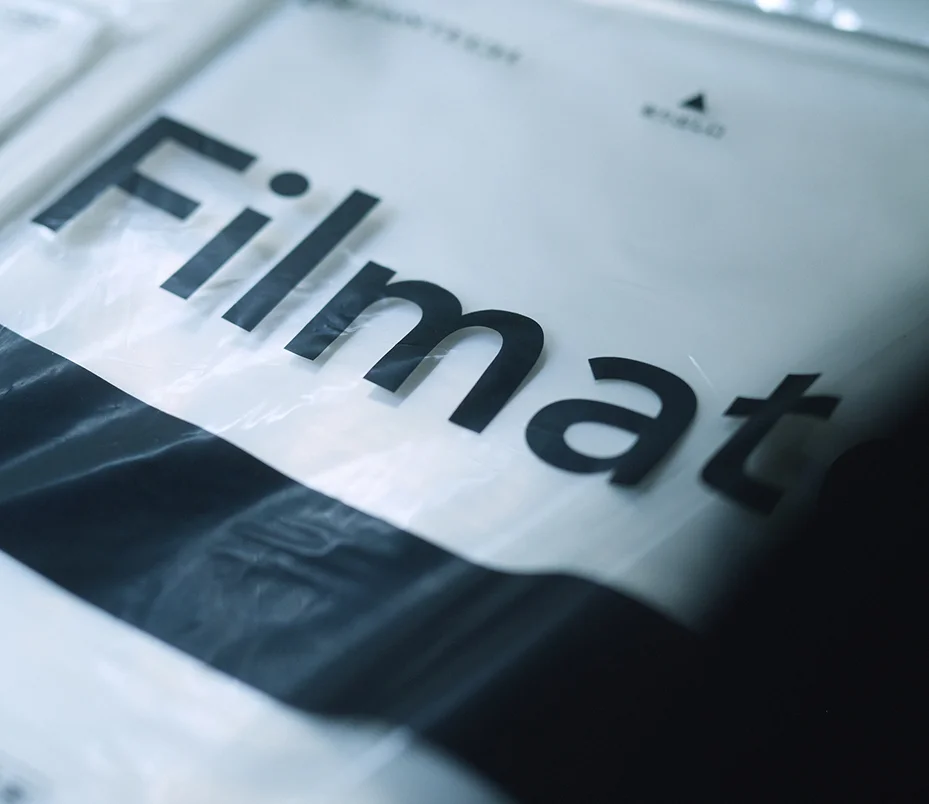

Mitsui Chemicals' Nagoya Plant has achieved significant results in its efforts to reduce industrial waste to the absolute minimum.
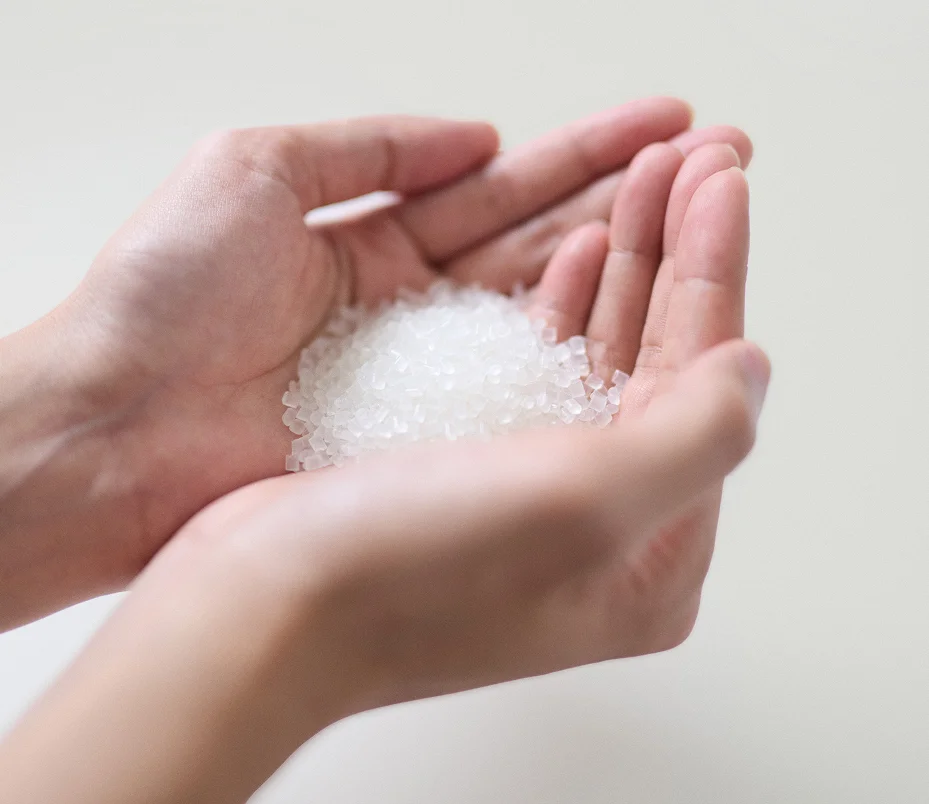
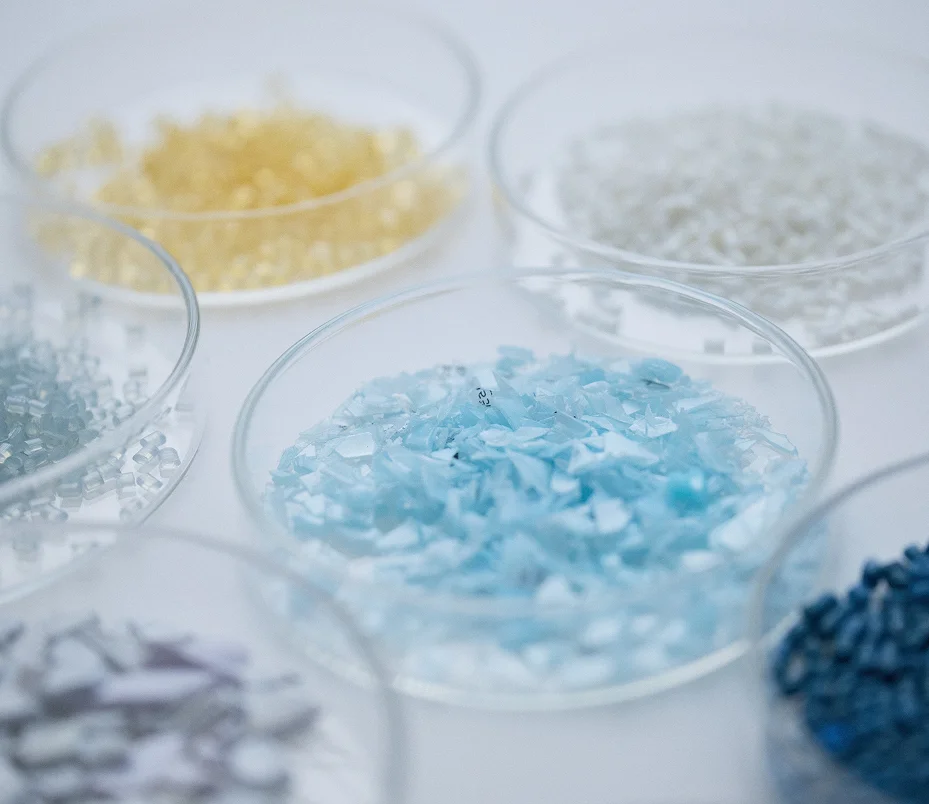
We supply plastic materials (hereinafter referred to as "waste plastics") generated during the manufacturing process of our own products to Pantech as recycled raw materials, thereby achieving effective resource utilization and waste disposal.
We asked Pantech how they are helping us with environmental measures.
Pantech's contribution to Mitsui Chemicals' Nagoya Plant's environmental policy.
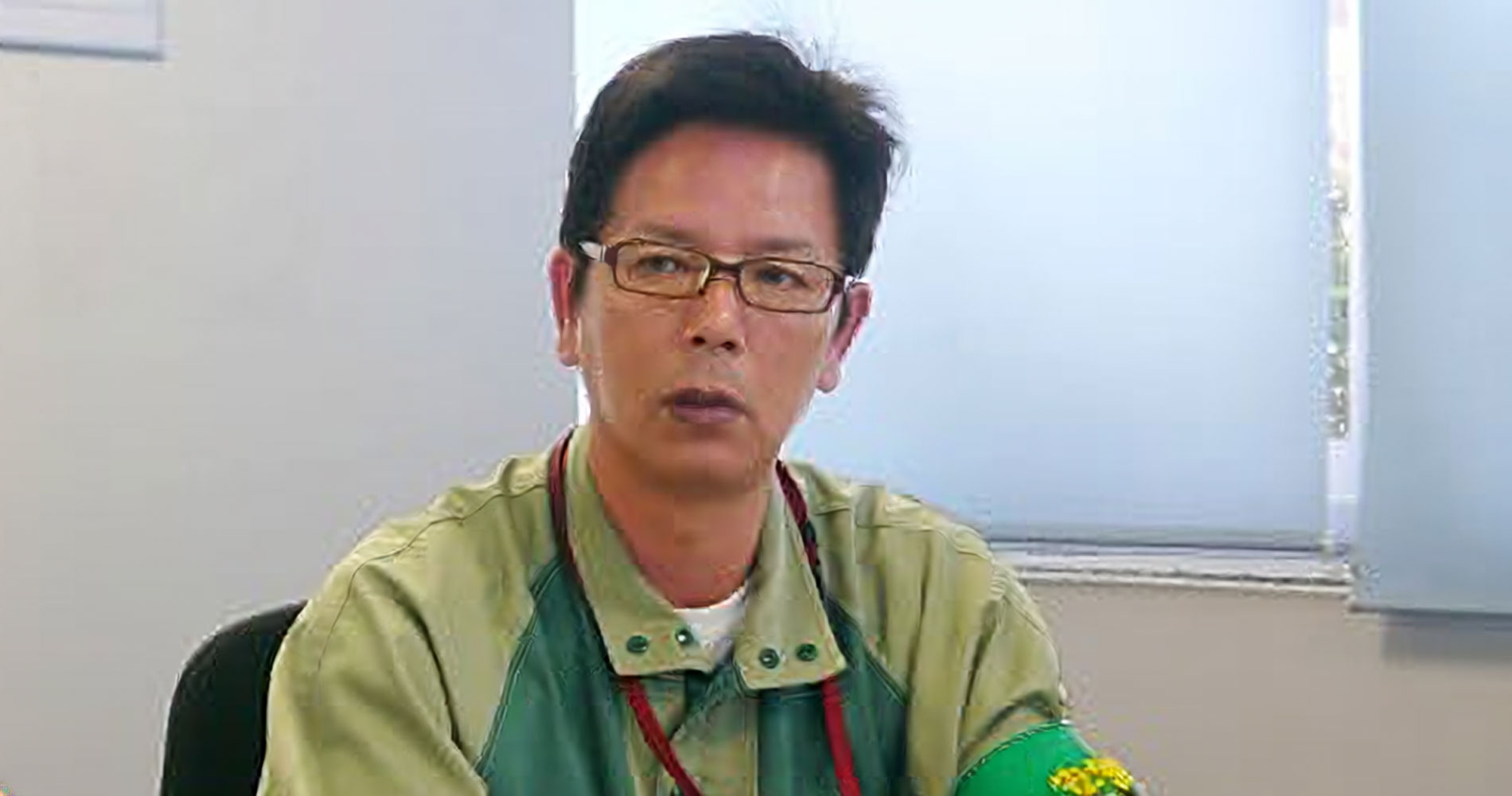
- Q1
Could you please tell me about Mitsui Chemicals Group's environmental policy for its Nagoya plant?
- A1
The I Chemical Group has been working to minimize industrial waste since 2008.
Our goal is to reduce the proportion of industrial waste, such as waste plastics and sludge, that is sent to landfills (final disposal) to less than 1% of the total amount generated. At our Nagoya plant, the sludge that would have been sent to landfills is now processed by a cement company and recycled into cement resources.
Even if it incurs some processing costs, it is necessary to achieve zero emissions. Thanks to these efforts, we have achieved an even stricter standard of 0.6% for five consecutive years. Reducing the environmental impact of business activities and properly managing chemical substances are important for environmental protection.It is a company's mission to actively promote energy conservation, reduce waste, reuse, and utilize it as recycled resources—the 3Rs.
As the Nagoya factory,
① Compliance with laws, agreements, and social regulations related to the environment.
② Control of emissions of substances related to environmental pollution,
③ Promotion of waste reduction, reuse, and recycling,
④ Promotion of resource conservation and energy conservation,
⑤ Necessary education and training to enable appropriate responses in the event of an emergency.
⑥ Enhance internal audits, and regularly review and improve the environmental management system.
⑦ Our environmental policy includes maintaining and improving trust through external public relations regarding environmental activities and interaction with local communities.Further minimization and other improvements to accuracy are necessary.
- Q2
In what ways has Pantech been helpful to your company's environmental initiatives?
- A2
Pantech has been incredibly helpful in that regard.
The Nagoya plant is where Mitsui Chemicals Tohcello manufactures high-performance industrial films, and it sells waste plastics to Pantech for a profit.
Most of it is related to Mitsui Chemicals Tohcello, but some of it is from Mitsui Chemicals itself, generated during research and development.
The steadily increasing trading volume is due to Pantech's efforts.
- Q3
Please tell me about your current business relationship with Pantech .
- A3
We began doing business with Pantech in June 2011.
What we sell for a profit is waste plastic from industrial high-performance films.
We are having the waste collected as frequently as possible, depending on the amount generated and the available storage space. While the total amount of waste plastic sold for value at the Nagoya factory as a whole has decreased, the amount of transactions with Pantech has increased.We strive to fairly compare and evaluate recycling companies, and we believe that the increase in transaction volume is undoubtedly a result of Pantech 's various efforts.
The strength of Pantech, which has a network
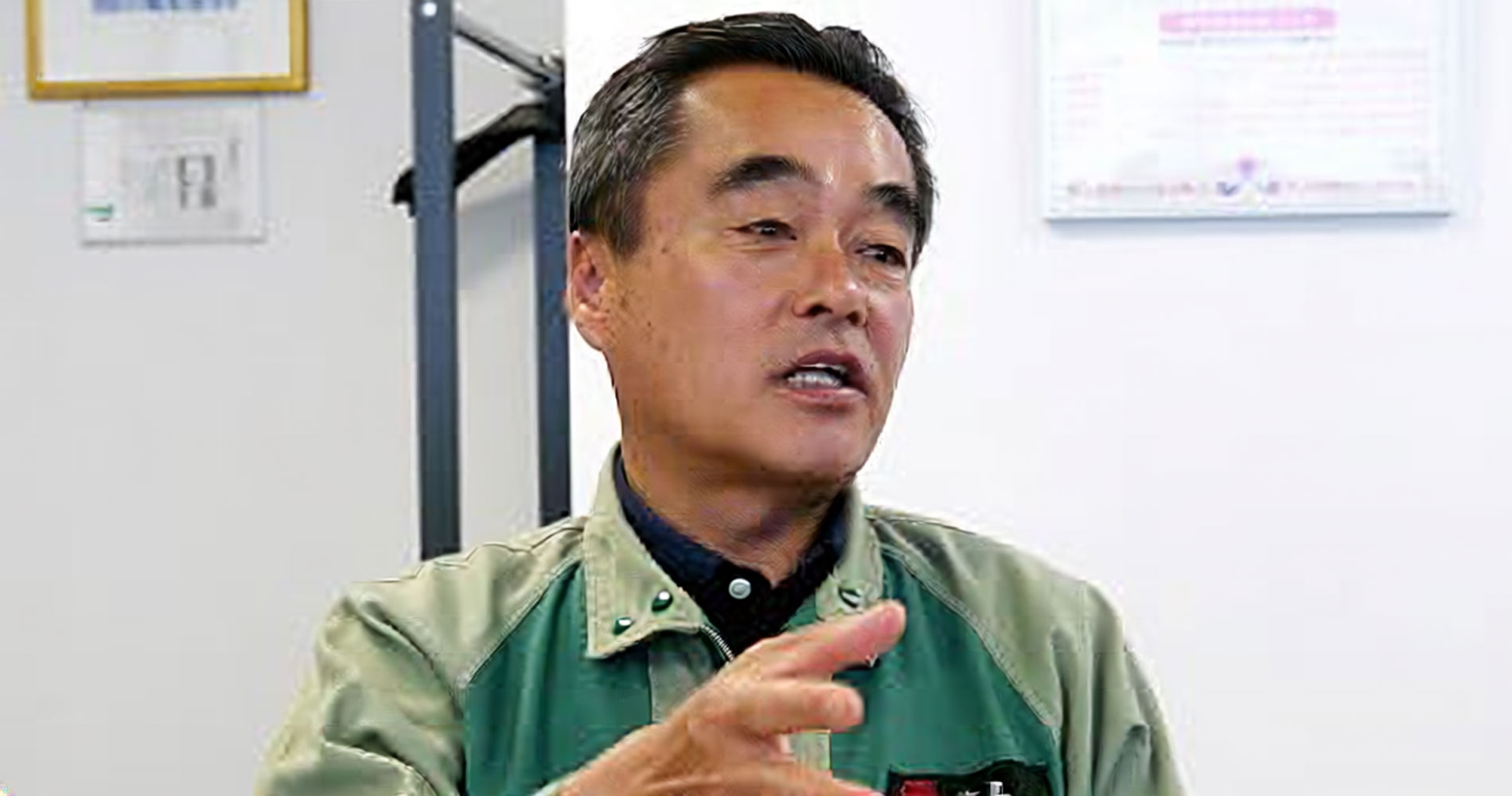
- Q4
How did you begin doing business with Pantech ?
- A4
Pantech provided a company introduction and a proposal for material recycling to the business unit and factory managers.
The timing coincided perfectly with the expansion of our production line at our Nagoya factory, the lack of transparency in the recycling flow of our existing recycling company, and the closure of that company. We felt that Pantech 's transparency in its recycling flow, management system, and cost reduction capabilities were beneficial, and decided to start a new business relationship with them.- Q5
What are Pantech 's unique strengths?
- A5
It's about the company's credibility.
When creating high-value-added products, waste is generated during the research and development stage. However, if waste plastic is released into the environment, it becomes possible to identify the components contained in the final product.
Even though it's waste, some of the materials can still be used. Without a trustworthy partner, risk management in waste disposal is impossible.Up until now, research and development-related materials were simply incinerated, but with the increasing volume, we now need to consider the value of that incineration process as well.
The Nagoya factory has a high proportion of processed goods, which inevitably generates waste. Approximately half of this waste is sold for profit. How highly the waste is valued is an important factor.- Q6
Since starting the transaction, have you received any helpful suggestions from Pantech ?
- A6
One way to assess a company's capabilities is how broad its sales channels are—how to find ways to utilize the waste it sells in different sectors.
As the amount of waste generated during research and development increases while maintaining confidentiality, we need to consider how to dispose of it.
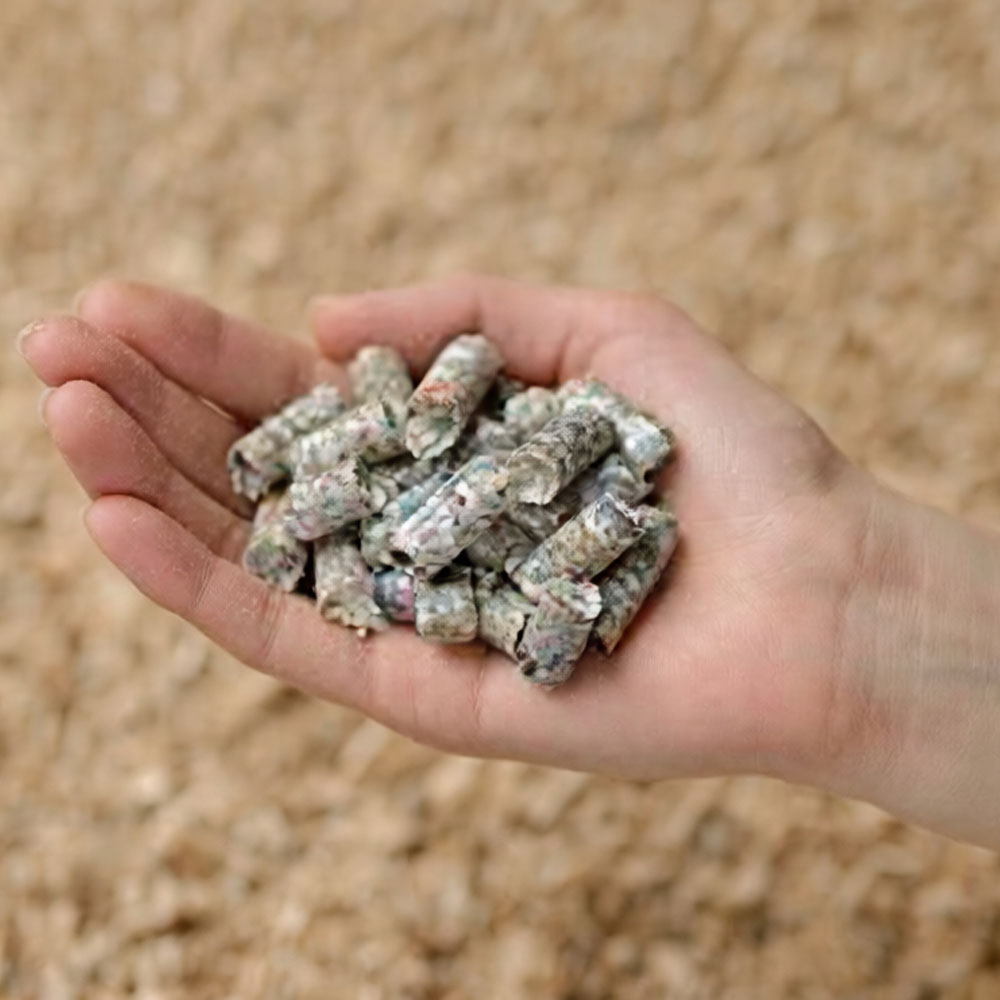
Pantech proposed converting waste plastics into RPF (solid fuel). This allowed us to reuse the plastics as fuel and achieve zero emissions. We are grateful for such proposals.
Consulting work is also expected.
- Q7
What are your expectations for Pantech going forward?
- A7
What I hope for is that Pantech will expand its scale even further and offer new proposals to increase the variety of waste processing patterns.
As you suggested with the RPF proposal, I expect that the consulting-related aspects of your work will increase.- Q8
What services would you like Pantech to work on?
- A8
We often don't know what the final products become after recycling. Market conditions and price fluctuations in Asia must also play a role.
Pantech 's strength lies in its proactive approach to overseas expansion, including in China and Singapore. We appreciate your disclosure of your recycling flow and the transparency of your transactions, and we would like to see even more in-depth information provided in the future.
We would appreciate it if you could share new recycling examples and information, as this would be helpful in solving our problems. We hope that you will extend the scope of management to include our partner companies, conduct regular checks, and provide us with information that will enhance our reliability.