
Case Summary
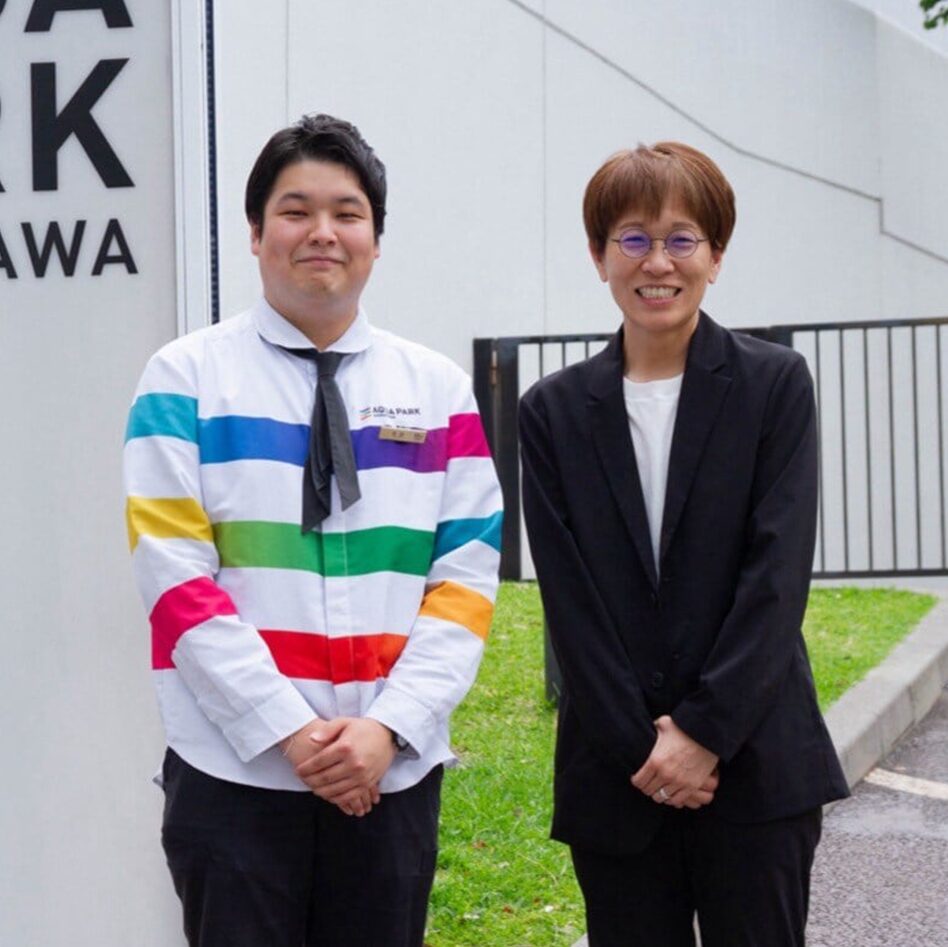
Maxell Aqua Park Shinagawa, operated by Yokohama Hakkeijima Inc., is a cutting-edge Tokyo entertainment facility that conveys the charm of the marine world and its creatures through a variety of performances using advanced technologies such as projection mapping. Since March 2024, the facility has been working to recycle the disposable ponchos used to allow visitors to enjoy the water splash effect during the popular "Dolphin Performance" into plastic bags used within the facility.
We spoke with the aquarium about their audacious decision to take on the challenge of horizontal film-to-film recycling, a practice with very few precedents, and to learn about their motivations and the process leading up to this point.
* All information in this article is current as of the day of the interview.
- Although we wanted to recycle single-use (disposable) ponchos, we were unable to find a partner to cooperate for four years due to the small amount of ponchos we could collect and the salt content they contained.
- We were able to overcome the bottleneck that had been hindering the realization of recycling, and we were finally able to start recycling single-use (disposable) ponchos, which had been our long-held goal.
Background and history of the project
- -
Have there been any previous efforts regarding the recycling of plastic resources?
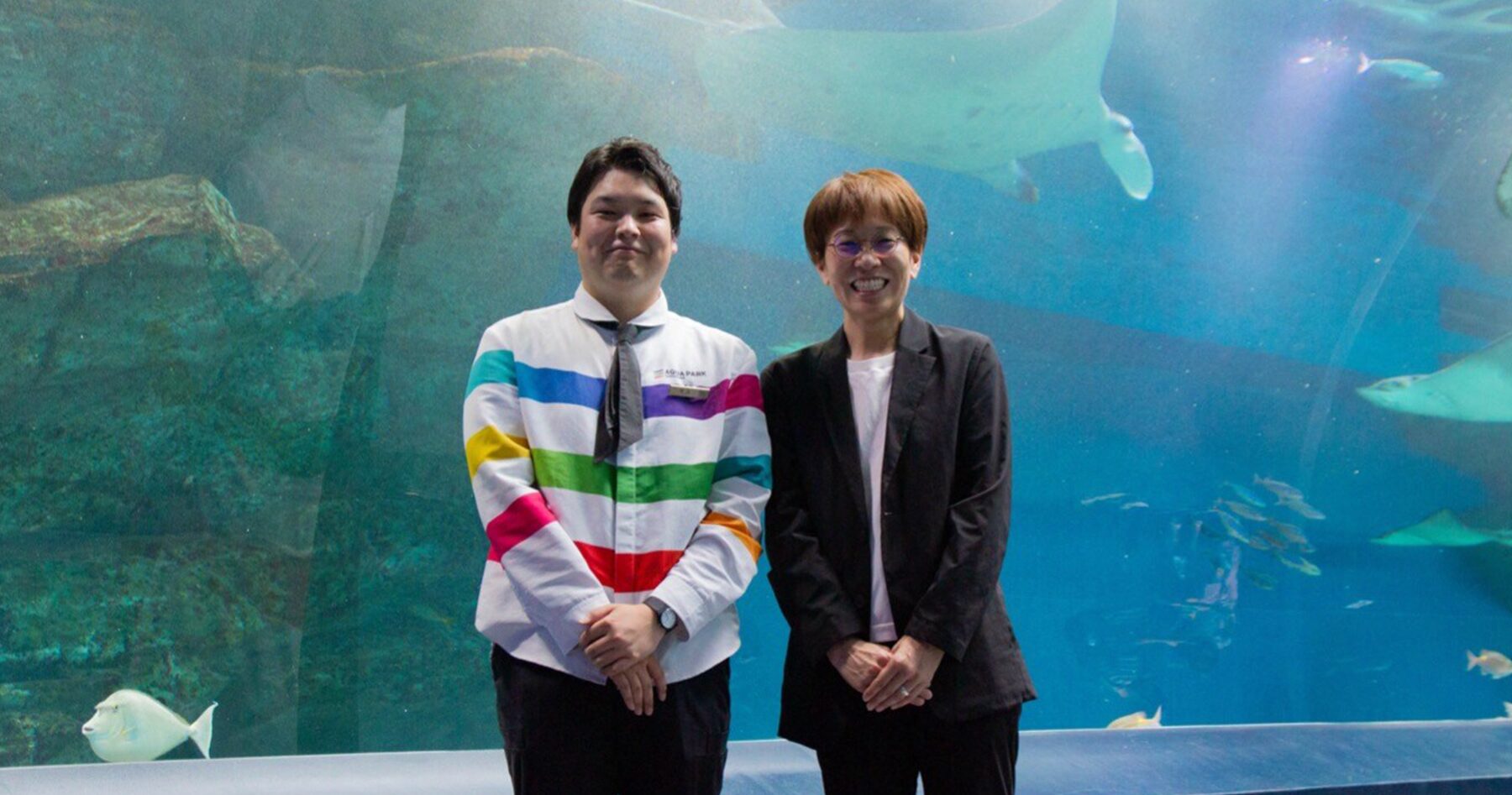
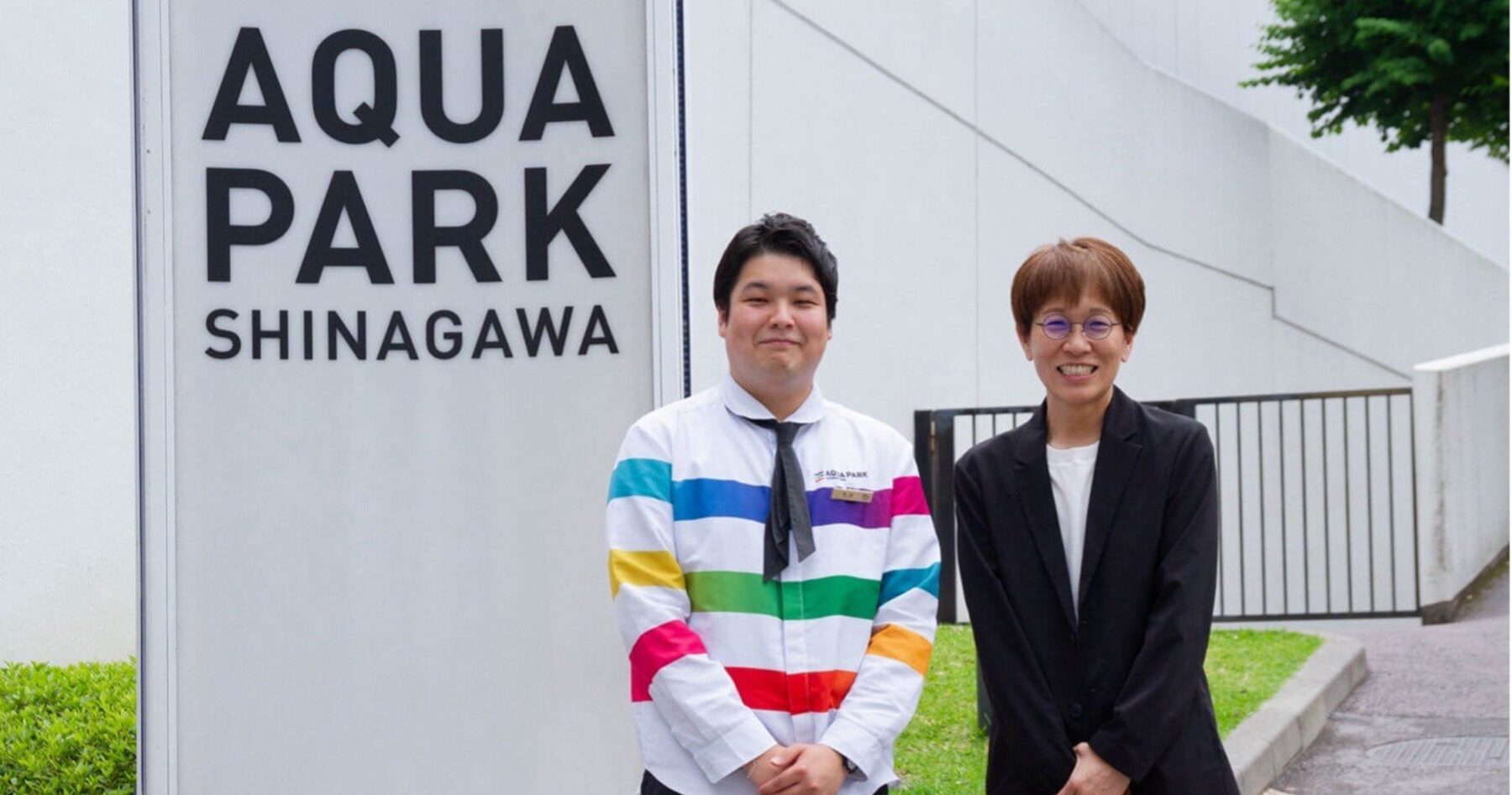
- Mr. Hakeda
Yokohama Hakkeijima Co., Ltd., which operates "Maxell Aqua Park Shinagawa," is undertaking a project called "Hohoe Moving" as a sustainability action. At our aquarium, we have been working on "species conservation" by breeding animals and creating an area to display and explain them, as well as enriching the environment in which the animals live and encouraging diverse behaviors, but this is the first time we have undertaken an initiative with plastic resource recycling as the theme.
Mr. Terada: While our other aquariums have implemented initiatives related to plastic, such as SDGs awareness events focusing on marine plastic waste and beach cleanups, I believe this is the first time we've collected and recycled unwanted plastic.
- -
With so many different types of plastic being used, why did you choose ponchos as your target?
- Mr. Hakeda
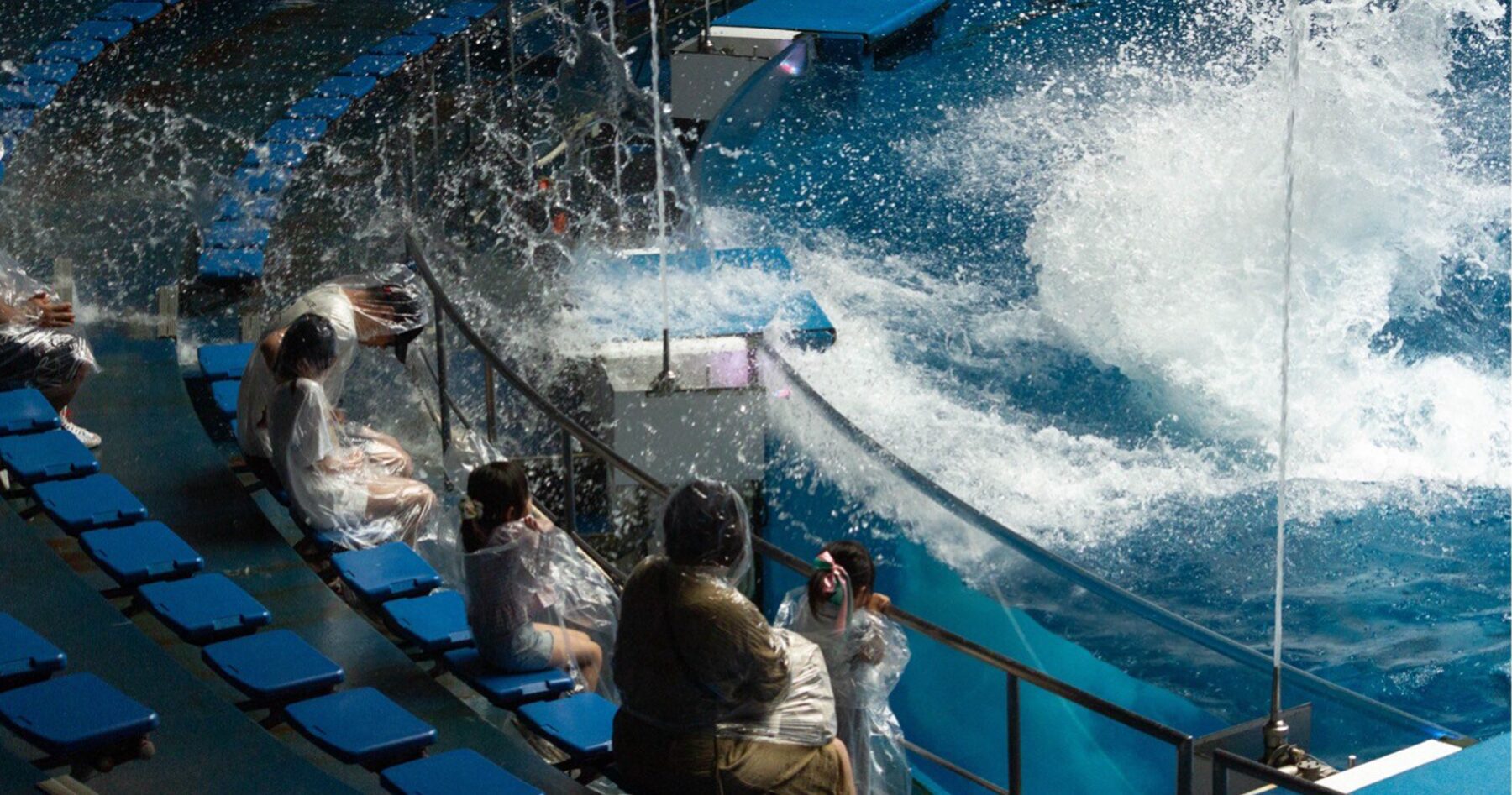
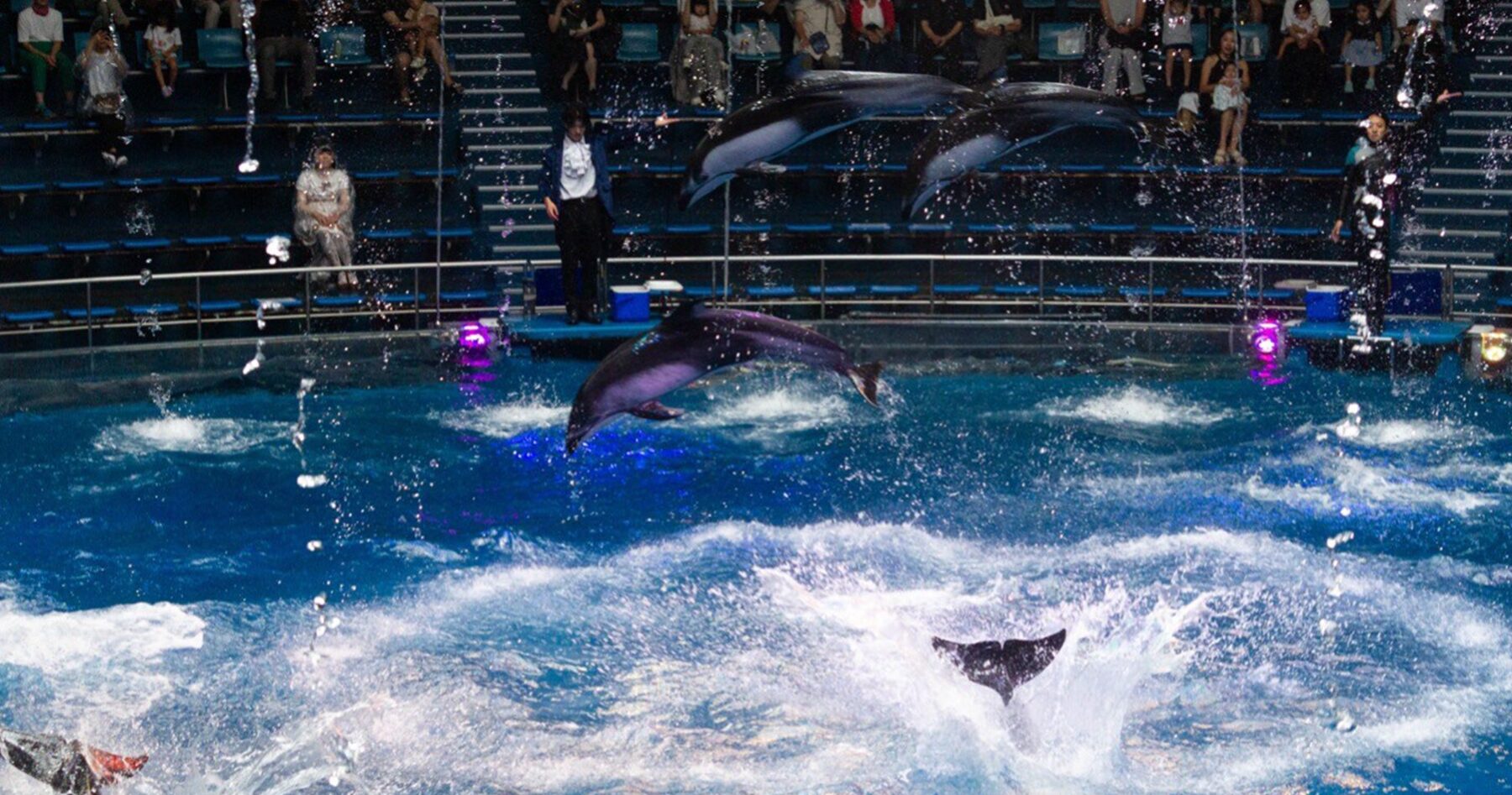
Used ponchos make up the vast majority of the plastic waste generated at our facility. Our dolphin performance is a popular event that changes its theme according to the season, with attention paid to music and lighting effects, and the venue can accommodate up to 2,000 people per show, including seated and standing areas.
During the daytime program, the viewing seats at the front of the venue get splashed with water when the dolphins jump and land, so many people use ponchos. However, the dolphin performance is held 5 to 6 times a day during the summer, and with so many customers enjoying the performance, the amount of discarded ponchos inevitably increases. People rarely take their wet ponchos home, and bringing their own ponchos is also difficult, so we felt that recycling used ponchos should be our top priority in terms of customer needs.
- Mr. Terada
Also, ponchos are bulky. When there are many customers, one performance can fill four or five large plastic bags with ponchos and result in their disposal. Collecting and disposing of used ponchos takes time, effort, and money.
Furthermore, while our museum claims to be engaged in ESG and sustainability initiatives, we faced a contradiction in that we were generating a large amount of plastic waste. In particular, ponchos are single-use (disposable) plastic products that are used for a short time before being discarded, and we must reduce their use as part of our responsibility as a producer. Especially since the COVID-19 pandemic, societal trends have changed, and we have come to feel that we must be more conscious of environmental considerations than ever before. We recognized that considering the recycling of used ponchos was an urgent issue for our museum in order to fulfill our responsibility as a producer.Mr. Hakeda: Although we recognized the recycling of used ponchos as an issue even before the COVID-19 pandemic, there was no dedicated department, and I was the only one considering solutions alongside my daily work, so it was difficult to find a solution. I think it took about four years to consider the matter.
The reason we chose Pantech as our recycling partner
- -
What challenges did you encounter during the process of considering these options?
- Mr. Hakeda
Up until now, used ponchos had been treated as recyclable waste, so changing that route and recycling them was a first for our museum, and we didn't have any staff members who were knowledgeable in that field. Of course, it's not my area of expertise either, so when we first started considering it, I didn't know what to do, and I started by typing "plastic recycling" into the search bar and gathering information at random.
We consulted with several companies that handle plastic recycling, but we had difficulty finding a partner as we couldn't find one that met our requirements. To us, it felt like we were disposing of a large quantity of used ponchos, but most collection companies wouldn't accept collection unless we had several hundred kilograms to several tons per collection. Our facility does not have a compressor or similar equipment, so there is a limit to the amount we can store, and we couldn't meet the criteria for collection.
Furthermore, the amount of waste generated decreases in winter compared to summer, so the variability in waste generation throughout the year was also a bottleneck. On top of that, many recycling companies refused to accept the waste because the machinery would rust if it contained seawater. In addition, there were many operational complications, such as the need to contract separately with collection companies and recycling companies, and we were not given any realistic proposals, so we were almost giving up.Amidst all of this, I searched using the keywords "marine plastic recycling" and stumbled upon Pantech 's website. After browsing the website and reading about their past projects, I realized they had a wealth of experience and collaborated with design companies and other businesses, so I contacted them out of desperation.
- -
Could you tell us what made you decide to choose Pantech ?
- Mr. Hakeda
Yes, that's right. The deciding factor was simply that they provided proposals that were tailored to our specific needs.
There was no minimum amount set for the collection, and the collection frequency was adjusted according to the conditions of the storage location, which I felt was a unique and attractive feature compared to other companies. I was also very grateful that they assured me that it wouldn't be a problem even if the container contained seawater.
Furthermore, since they can produce the entire recycling scheme, from collection to recycling and remanufacturing, we only need one contract, and the operation won't be complicated. We were able to resolve what we thought were bottlenecks when we started considering the project as we progressed through discussions, so we decided that " Pantech is the only one for us!" and asked them to do the work.
Operation of the recycling program
- -
The collection process started in March 2024.
- Mr. Hakeda
Our museum finally approved the plan in February of this year, and we were able to start the collection process in March. It had been nearly four years since we began considering it, so it was a very moving experience for me personally. In March, our museum's system was still not fully in place, so the amount collected was small, only a few kilograms, but I think it was very significant that we were able to take that first step.
Since April, the dolphin performance trainers and cleaning staff have been announcing to guests after the performance, "Please help us collect used ponchos," and the guest relations staff have been creating signs to introduce the initiative to guests when selling ponchos. Thanks to the understanding and cooperation of both our staff and guests, it seems that the initiative is starting to gain momentum.- Mr. Terada
Since starting in March, the amount collected has been steadily increasing, but initially, we didn't anticipate such a steady increase. We didn't even have an accurate grasp of the amount of used ponchos being discarded, so while we were happy about the increase in collections, we were also surprised to see just how much we were actually throwing away.
Each poncho weighs only about 40 grams. However, in June, the monthly collection amount exceeded 500 kg, which means that more than 10,000 customers cooperated in the collection. As the number of visitors to the dolphin performance increases during the summer, the amount of waste collected is likely to increase even further from July to September, so we may need to increase the frequency of collections.- -
How has the response been to your circular recycling program for used ponchos?
- Mr. Hakeda
We sometimes receive surprised comments from repeat customers who have purchased annual passes, saying things like, "I didn't know you recycled ponchos!", and many customers are willing to cooperate with the collection, so we feel that it has been well received.
Furthermore, as this is the first attempt of its kind at our facility, and as it addresses previous challenges, it has garnered significant interest and expectations from management. The cleaning staff are also pleased that the burden of collection has been reduced.- Mr. Terada
We feel that we've become quite accustomed to the operational aspects of this program. Not only have we become more familiar with it, but we also feel that the initiative is spreading to our trainers, cleaning staff, and guest relations members, and that awareness among our guests is also growing. Initially, we sometimes received trash such as paper cups in addition to used ponchos, but that has almost completely stopped recently. If we continue this initiative, I think recycling will become the norm, and the amount of used ponchos we collect will increase.
Future prospects
- -
Please tell us about your future plans.
- Mr. Hakeda
This year, our goal is to establish this initiative, and in the future, we hope to transform the collected used ponchos into original items for our aquarium. Currently, we are using the used ponchos collected from us as plastic bags, but it would be wonderful if we could give back to our visitors and the animals we keep at our aquarium.
- Mr. Terada
In the fall, we hold an event called "Sustainability Week" to raise awareness of the SDGs, and we are planning activities to provide an opportunity for people to feel and think about the marine environment and its creatures. I think that if we could also unveil something that has been reborn from ponchos, it would give momentum to our efforts. Of course, the current horizontal recycling of ponchos into plastic bags using film-to-film recycling is an environmentally conscious initiative, but I would like to consider something extra in the future. After all, this initiative is only possible with the cooperation of our customers, so ideally, we would like to be able to recycle the ponchos into products that can be sold in gift shops.
- Mr. Hakeda
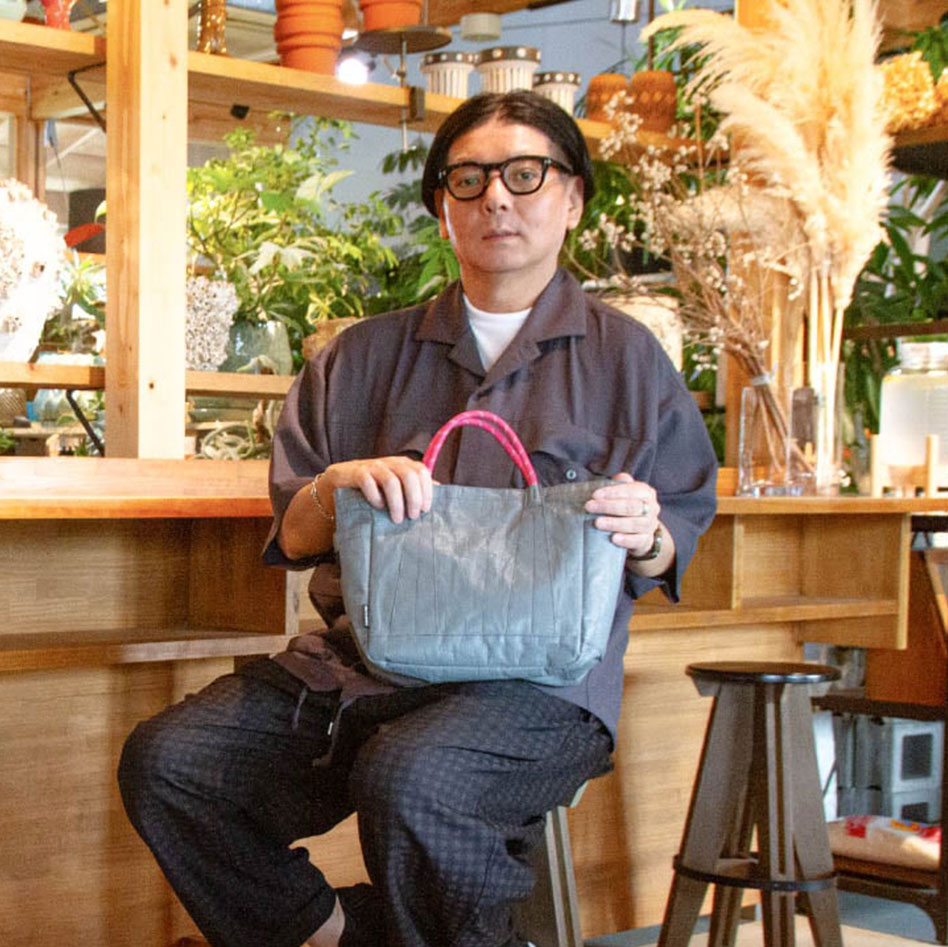
It would be great if we could create a product like "ReTA BASE," which Pantech is involved with. I personally use a "ReTA BASE" bag, and I find it very useful because it's lightweight, durable, and resistant to dirt and water. Also, if we could recycle it into feeders (toys that hold food) in connection with the enrichment program that our museum has been working on for some time, I think we could communicate our ESG and sustainability initiatives from a different perspective than before, so I would really like to make this a reality.
Our initiative to recycle used ponchos is still in its early stages, but we hope to continue receiving support from Pantech and grow this initiative significantly.