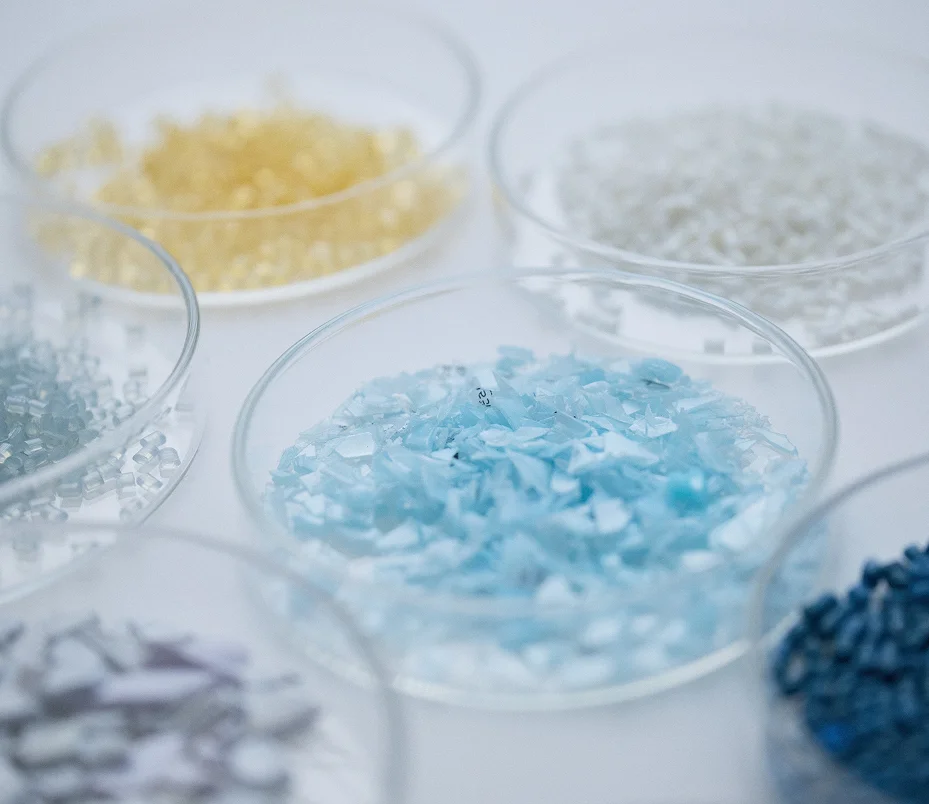



Amidst concerns about planetary boundaries and the urgent need to transition to a circular economy, the Co-op Chugoku-Shikoku Business Federation (hereinafter referred to as Co-op CS Net), a consumer cooperative federation, was one of the first to implement a film-to-film project.
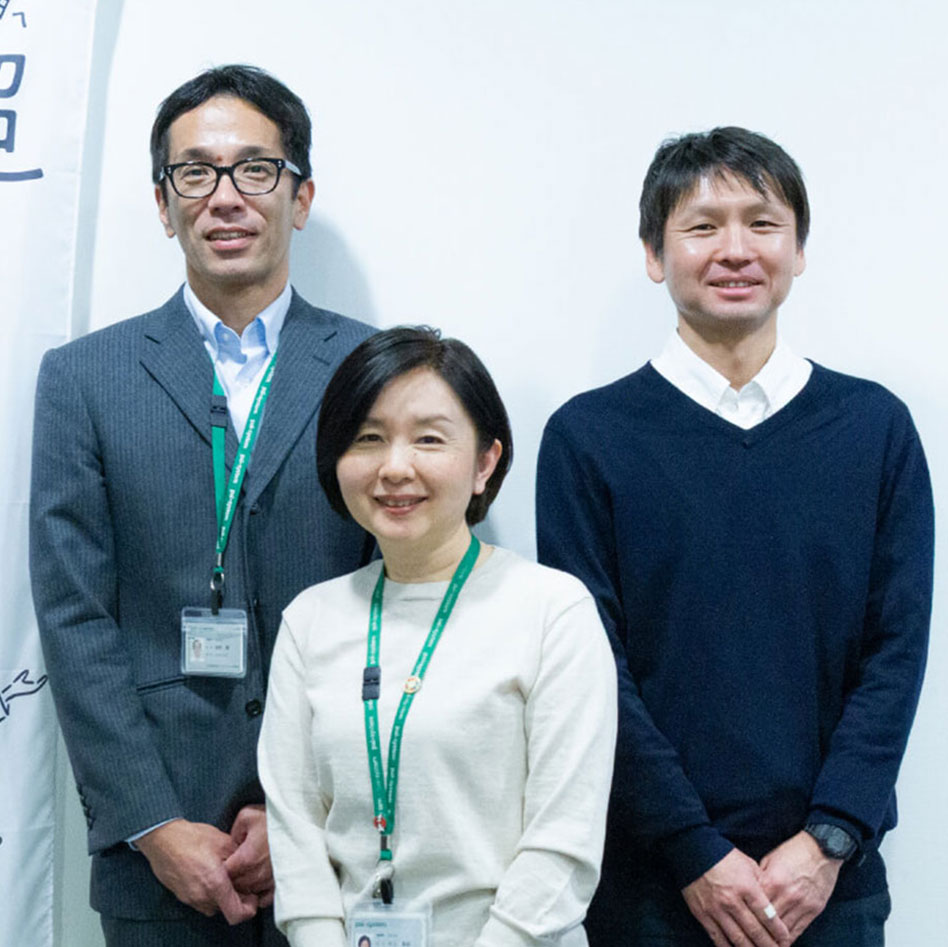
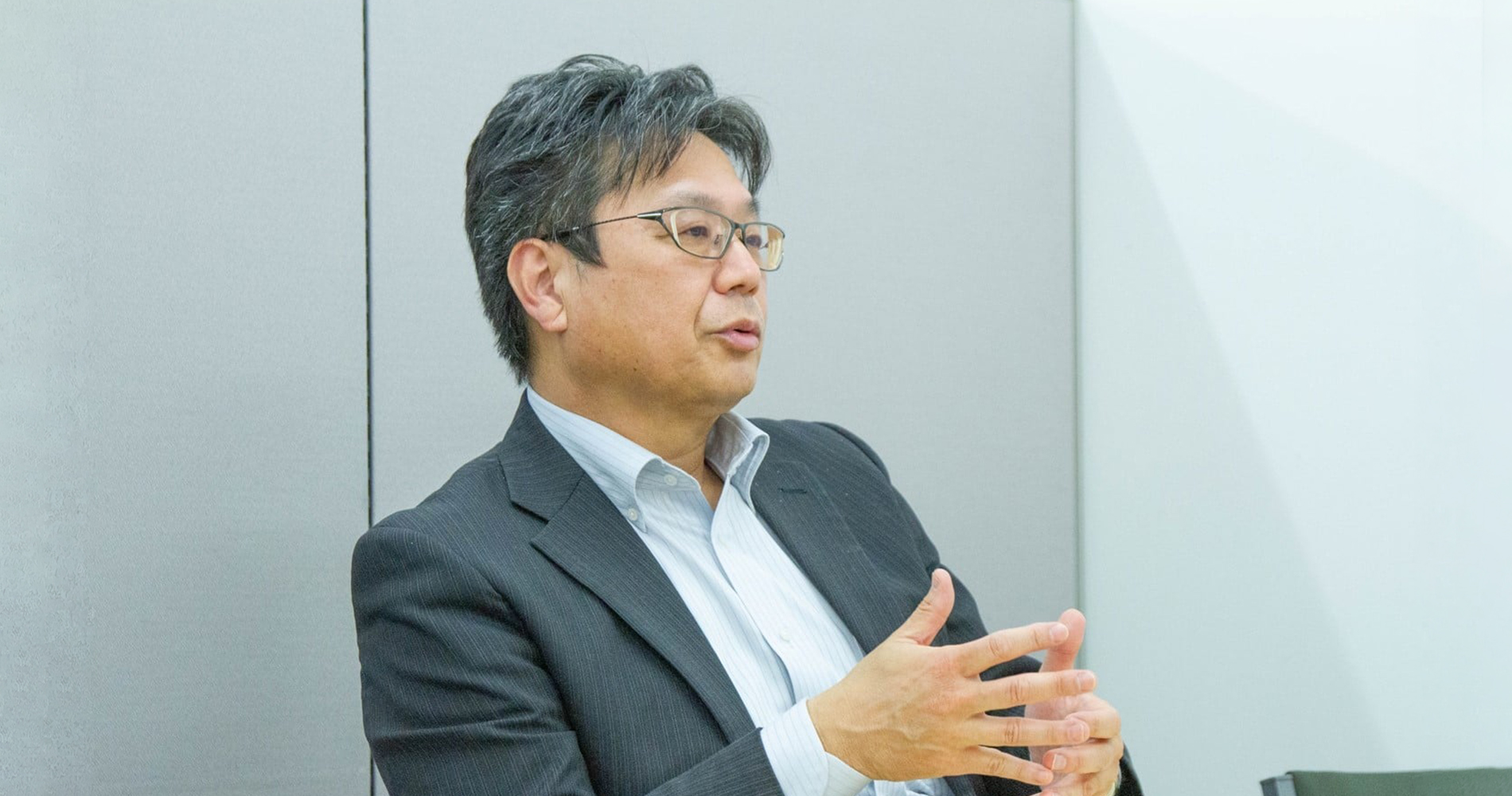
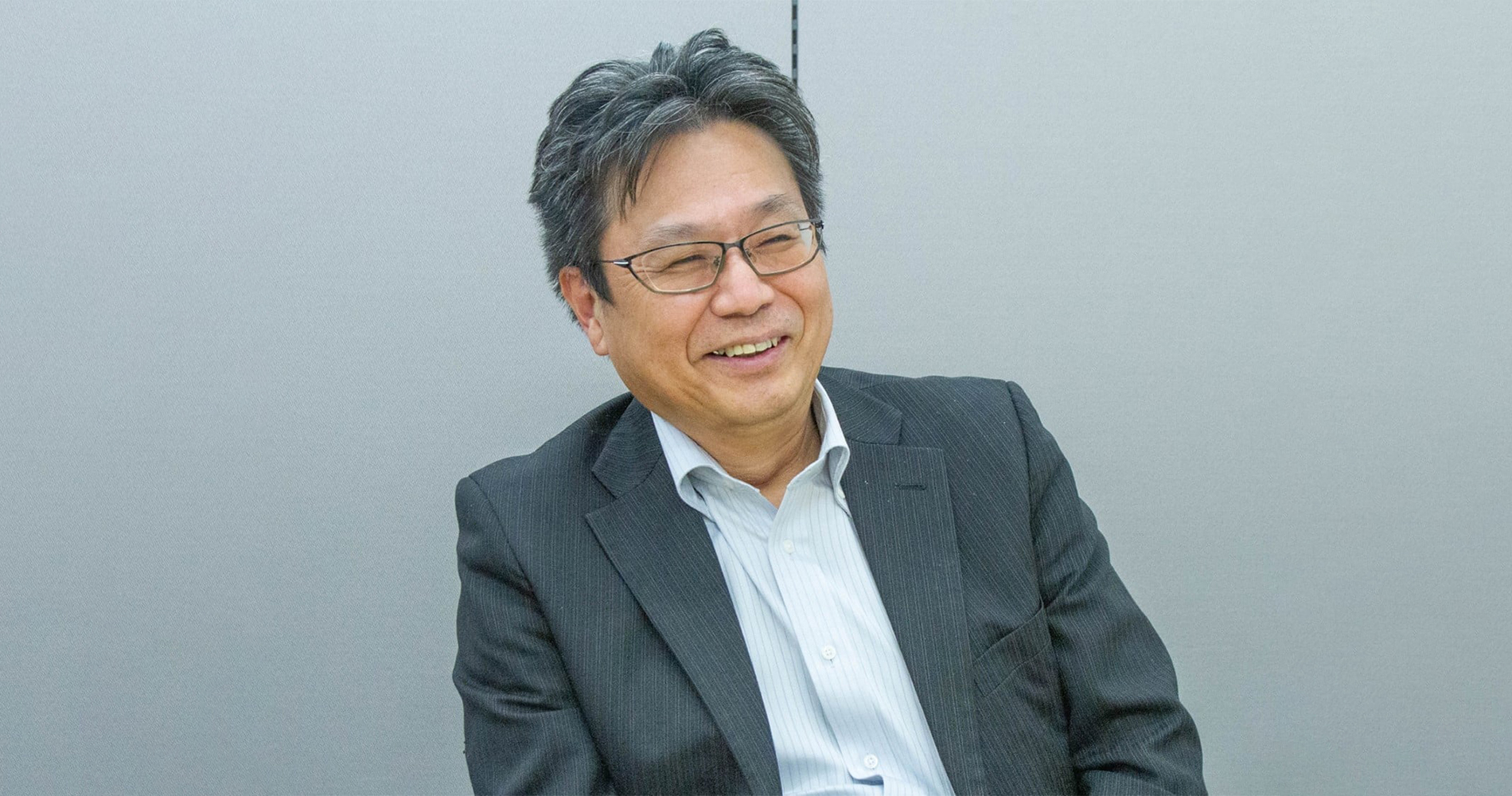
We asked Mr. Kurata, Section Chief of the Logistics Planning Department at the Business Support Headquarters, why they were able to quickly shift towards a circular economy.
Transaction status with Pantech
- Q1
Could you tell us how you first came across Pantech ?
- A1
It all started with a competition among businesses that recycle plastic.
In 2013, Co-op CS Net opened an Eco Center in the Onomichi Distribution Park. The Eco Center collects recyclable items generated at 57 business locations of 5 member cooperatives in the Chugoku region, compresses them, and sells them to resource recycling companies.
When the Eco Center was first established, we contracted with recycling companies that we had previously worked with as Coop CS Net for plastic recycling. However, once the business stabilized, we held a competition to find a company that could offer better terms. Pantech was the winning bidder, and that's how our business relationship began.
- Q2
Please tell us about your current business relationship with Pantech .
- A2
We started doing business with them in July 2019. They mainly take our inner film bales.
The plastics handled by the Eco Center include inner bags, styrofoam, egg cartons, and PP bands. Of these, we primarily ask Pantech to recycle bales of compressed inner bags.
The inner bags are polyethylene bags used to deliver dry goods, refrigerated goods, and frozen goods to our members. Their main purpose is to distinguish delivery destinations, so they are thin, only 8-9μ thick, and not suitable for reuse. We sometimes receive requests from our members to switch to thicker, more tear-resistant bags, but fulfilling these requests would not only increase costs but also increase the amount of virgin raw materials used, which could be counterproductive from an environmental perspective. Of course, some may argue that continuing to use single-use plastic inner bags is not in line with the trend towards reducing plastic use. While other companies may be moving from plastic materials to paper, biodegradable plastics, or biomass plastics, when it comes to inner bags, we believe there is no suitable alternative material when considering not only price but also processing efficiency, transportation efficiency, and supply stability.
Furthermore, Coop CS Net is working to fulfill its corporate social responsibility by recycling inner packaging instead of using it as a disposable item. In recent years, there seems to be a tendency to view plastic itself as inherently bad, but the problem is not the plastic itself, but how it is disposed of. If disposal is carried out properly and recycled, the environmental burden can be reduced, and we believe that this is one of the sustainable options.
- Q3
Please tell us about your recycling scheme.
- A3
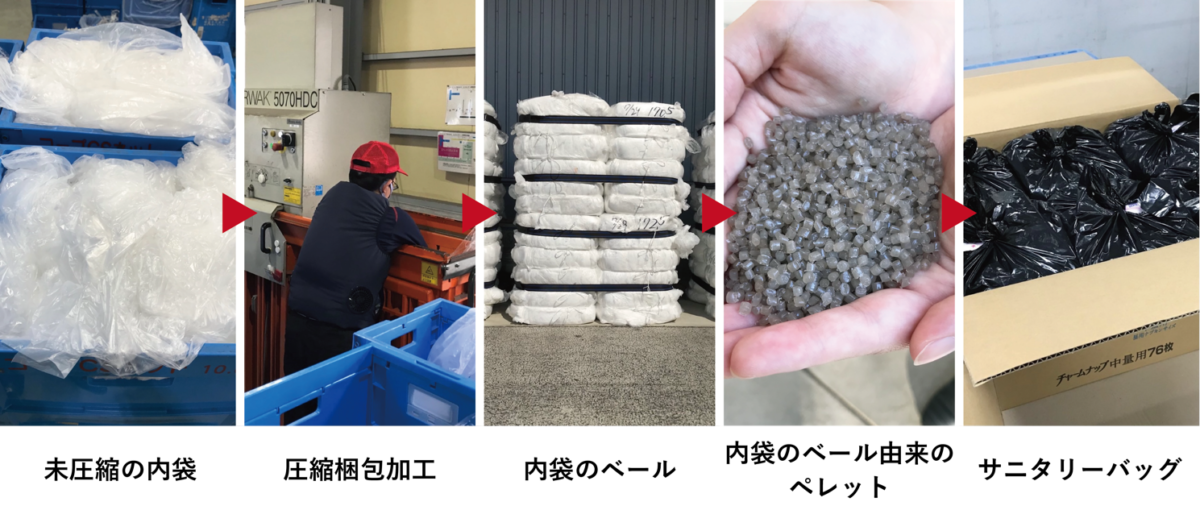
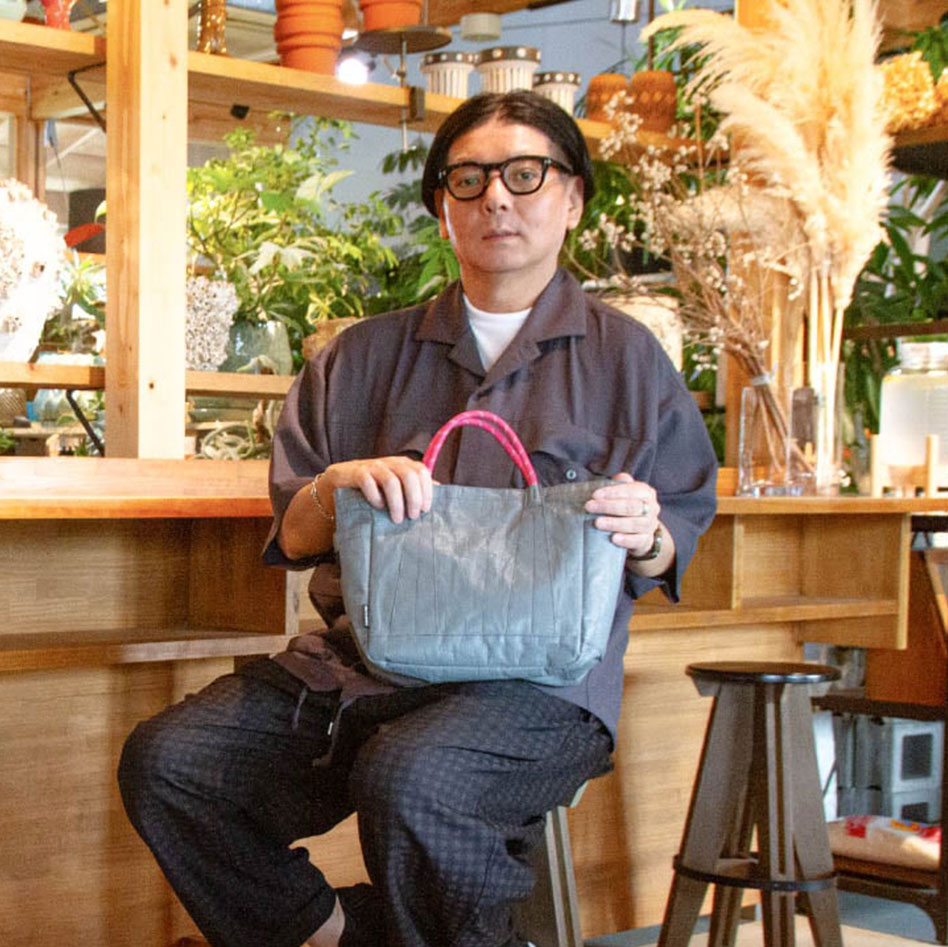
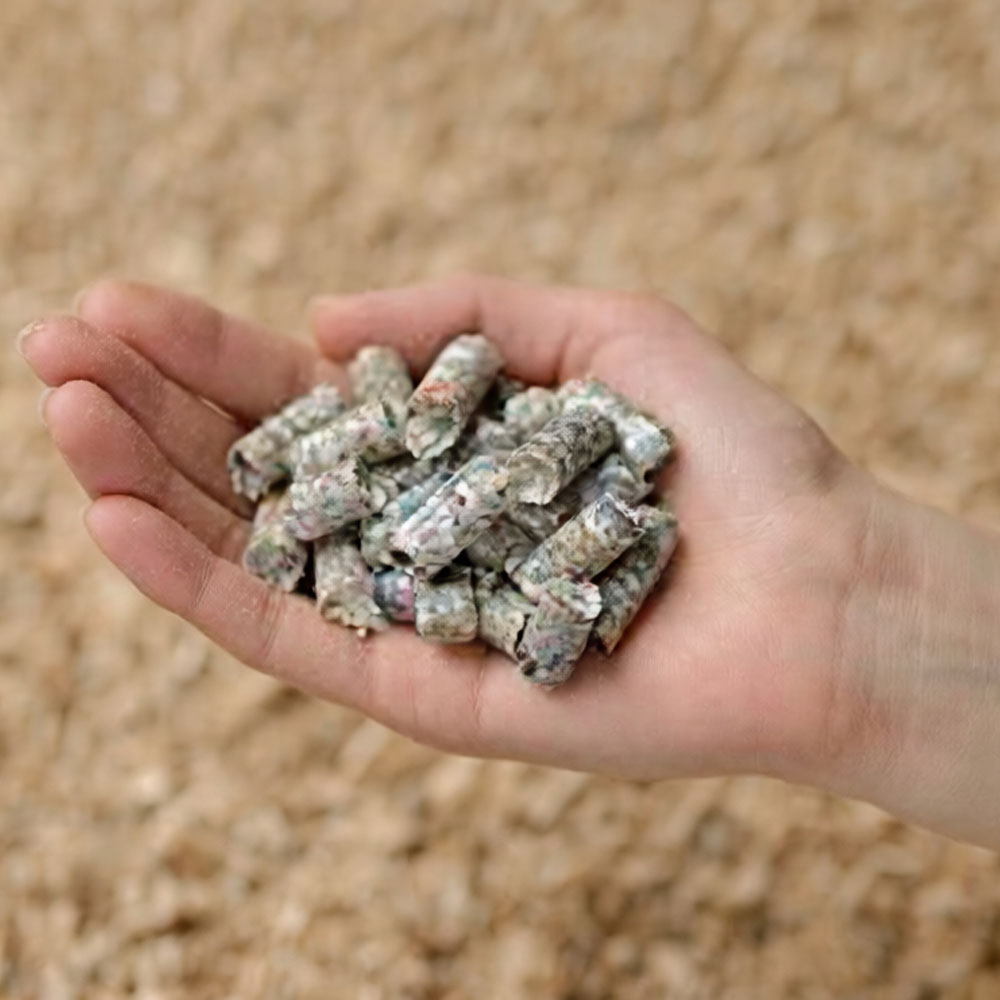
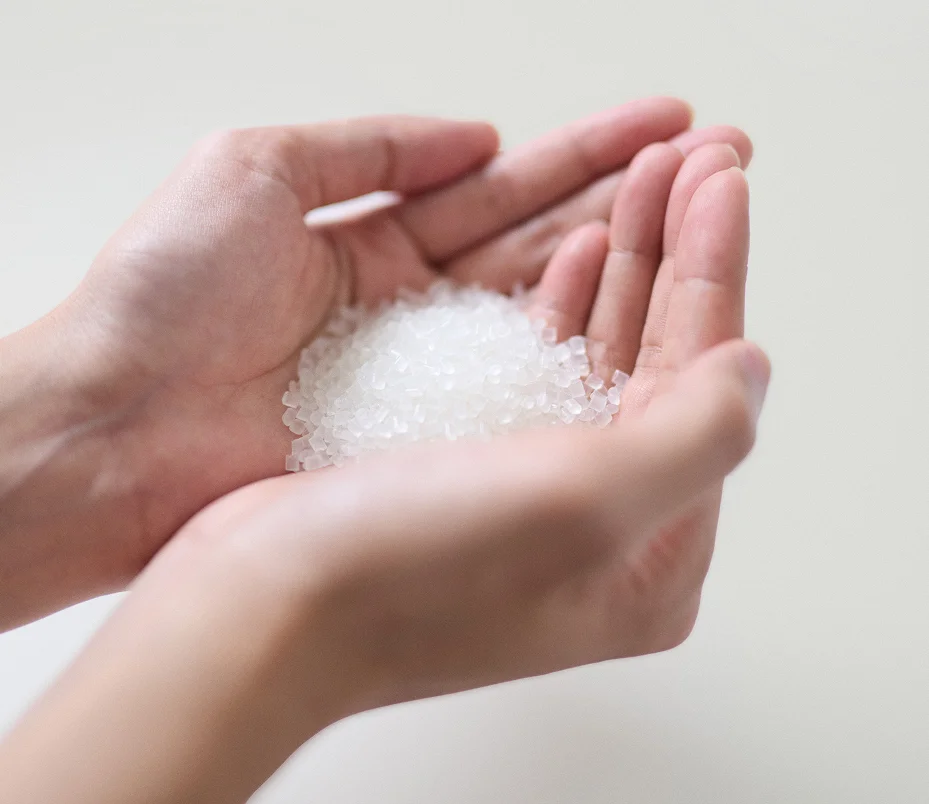
We have established a closed-loop system, entirely within Japan, where baled film at the eco-center is recycled into raw materials and used to create sanitary bags for our members.Used inner bags collected by Co-op CS Net are compressed and baled at the Eco Center, where they are then purchased by Pantech for a fee. Pantech then processes these film bales into recycled raw materials, which are used as part of the raw materials for the domestically manufactured sanitary bags. Co-op CS Net purchases these sanitary bags, which are then used to deliver products to its members.
In other words, Co-op CS Net collects used film generated from its business activities and transforms it into a new film product, sanitary bags, thus establishing a closed-loop* known as FILM to FILM. I believe that Co-op CS Net is the only consumer cooperative that has been able to establish a closed-loop system for plastic waste generated through its business activities.
*Closed-loop recycling, also known as level material recycling, is a recycling method that reuses materials to create the same product.
Generally, from a resource recycling perspective, material recycling is considered the highest-priority recycling method, ranking higher than thermal recycling and chemical recycling.
Transition to a circular economy
- Q4
Please tell us why you chose sanitary bags as a circular product.
- A4
Because it's easy to make and easy to use.
When recycling film products, the quality of the collected material greatly affects the quality of the final product. Therefore, when collecting used inner bags, we take every possible measure on-site to prevent contamination with waste and foreign matter. However, it is still impossible to eliminate all waste and foreign matter. Furthermore, some degree of dirt is unavoidable, making it difficult to achieve the same level of transparency as virgin film when recycled into raw materials, and the color inevitably becomes darker.
Ideally, it would be best to manufacture inner bags from the same inner bag, but aside from color issues, I hear that manufacturing thin films from recycled raw materials derived from used film, which carries the risk of contamination with dust and foreign matter, is technically very difficult.
Therefore, we decided to take advantage of the color change that occurs during the recycling process and turn it into sanitary bags. With sanitary bags, the black color itself has commercial value, and even if there is some dirt or foreign matter, it can still be used without any quality issues. In short, as a circular product derived from used film, sanitary bags are easy to manufacture, and given the characteristics of Co-op CS Net's business, there is a certain need for them, making them easy to use.
While Co-op CS Net does not publicly announce that we collect used inner bags and replace them with sanitary bags, we have never received any complaints from our members about these sanitary bags, and we believe that our members are satisfied with their quality.
- Q5
When did you start considering building a closed-loop system?
- A5
Following the 2017 National Sword incident, we began considering this issue due to concerns about the lack of a suitable disposal site for plastic waste.
We had long considered a closed-loop system for our own waste materials as an ideal from the perspective of SDGs and ESG, but it was the Kokumon Riken project in 2017 that prompted us to start considering it. To be honest, we didn't feel that much urgency before then, but the situation changed drastically when China, which was the world's largest recipient of plastic waste, imposed import restrictions, and similar restrictions were implemented in other Asian countries. Within the cooperative, we began to feel the effects, such as no longer being able to sell our plastic waste overseas for profit, and we grew increasingly concerned about losing a destination for the plastic waste we were generating.
At Co-op CS Net, we collect used plastics with the cooperation of our members. Despite this collection effort, the situation where recycling becomes impossible was something we absolutely had to avoid from an environmental perspective. We believe that continuing recycling at all costs is Co-op CS Net's social responsibility and minimum role, so we have been rapidly working on developing a closed-loop system.
Initially, we consulted with several trading partners, but we couldn't make much progress in concrete discussions. However, after contacting Pantech , the construction of a closed-loop system became much more concrete.
- Q6
Could you please tell me about the features of Coop CS Net's closed-loop system?
- A6
It involves people with disabilities playing a part in the recycling scheme.
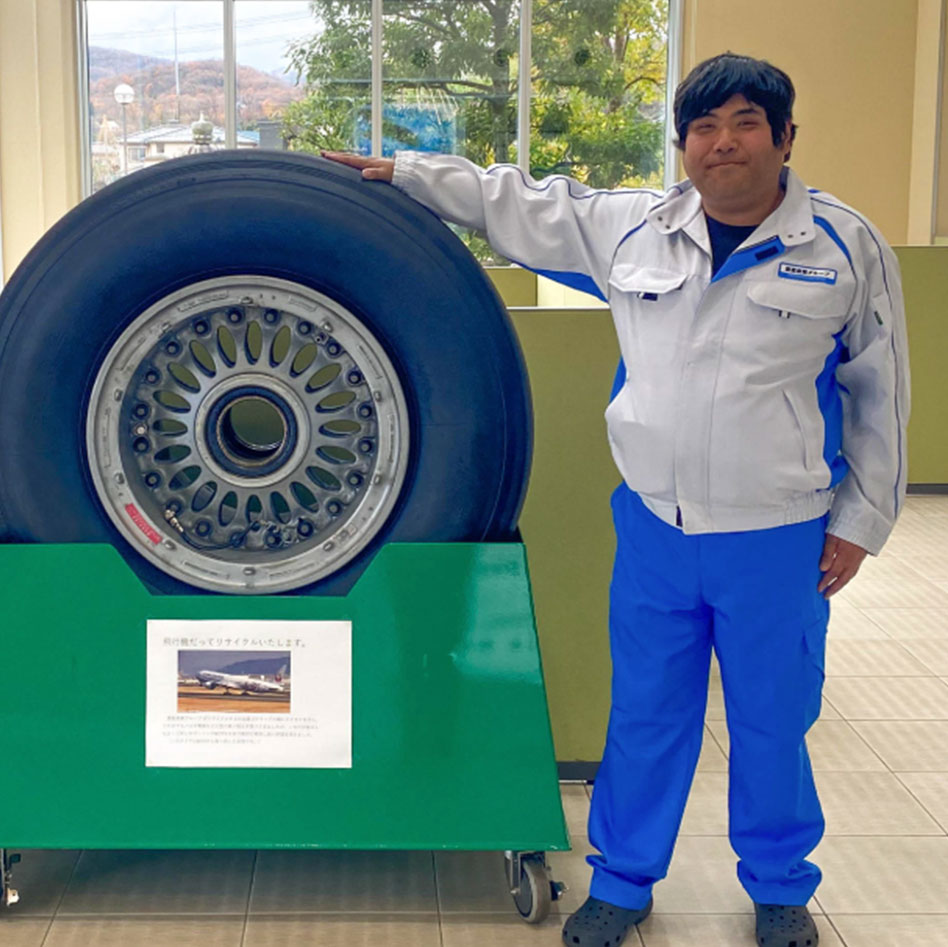
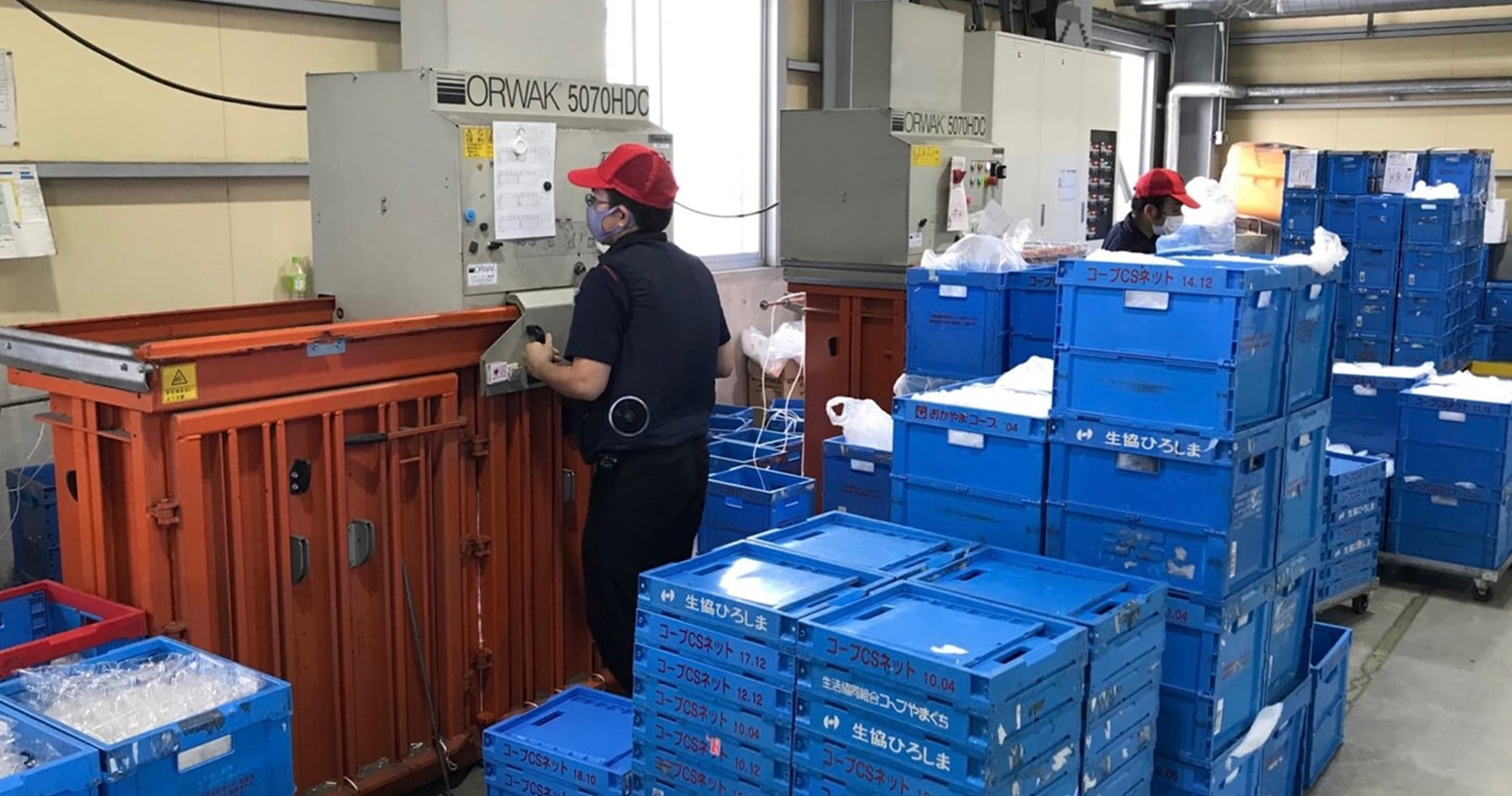
At the Eco Center, we employ nine people with disabilities who are responsible for tasks such as compressing and packaging used film.
Koizumi, the chairman of Co-op CS Net, has a history of actively employing people with disabilities, including establishing "Heart Coop Hiroshima Co., Ltd." as a special subsidiary of Co-op Hiroshima. When establishing the Eco Center in 2013, he considered having people with disabilities handle the recycling operations, and thus "Heart Coop Onomichi Co., Ltd." was established as a special subsidiary of Co-op CS Net.Therefore, the Eco Center is designed with the premise of employing people with disabilities. When we started up, there were no precedents to refer to, so we visited many sites where actual compression and packaging work was being done, such as waste paper wholesalers, and observed the work. Based on that, we designed the layout to improve work efficiency and reduce the workload while ensuring safety, while anticipating the work flow and movement patterns. We have also made operational and management efforts such as clearly defining roles with helmet colors and creating shifts to prevent uneven distribution of workload. Thanks to these efforts, we have had no accidents since our establishment, and the retention rate of people with disabilities has remained very high.
That being said, there were some issues. When we first started operations, the level of proficiency was low, and the work didn't proceed as planned. However, thanks to everyone's patience and careful focus on the work, their proficiency increased over time, and work efficiency naturally improved as well. Compression packaging is simply a matter of putting raw materials into the machine and compressing them, but the quality of the finished product varies depending on the amount and method of putting the materials into the machine. At first, the finished product was uneven and didn't form a cube, but now they are producing beautiful bales that look like textbooks.
Furthermore, Heart Corp Onomichi Co., Ltd. is the first special subsidiary company in the Bingo region, and every year many people from local workshops come to us for work experience as part of their workplace training. The SDGs also include the goal of "decent work and economic growth," but there are few places where people with disabilities can gain work experience, so we feel that providing such opportunities is also a role that the Eco Center should play.
Future business development
- Q7
Please tell us about your future plans.
- A7
We would like to share our closed-loop initiatives and eco-center expertise with consumer cooperatives nationwide.
With the green shift being a hot topic these days, it can be said that companies that do not consider the environment are at risk of being eliminated. Co-op CS Net is also working on environmentally conscious initiatives out of a sense of crisis, and as mentioned earlier, looking at the many consumer cooperatives across the country, I believe that Co-op CS Net is the only one that has been able to build a closed loop for plastic waste generated through its business activities.
We haven't been particularly promoting this initiative externally, but given current social trends, we're certain that other consumer cooperatives will want to implement similar closed-loop systems in the future. We believe that FILM to FILM is currently the best method for recycling film products. Since we are the first in the country to undertake such an initiative, we hope to share this know-how with consumer cooperatives nationwide in the future.
At the Eco Center, we conduct our business with JFK as our keyword. JFK stands for Business, Welfare, and Environment, meaning we address welfare and environmental issues while maintaining a business viability. Thanks to the support of social trends since our establishment in 2013, facilities modeled after Onomichi have sprung up all over Japan, including Kyushu and Shikoku. I believe that initiatives that solve social and regional problems like these will become increasingly necessary in society in the future. I would be delighted if similar closed-loop initiatives spread to every corner of the country.
- Q8
Please let me know if you have any advice on how to promote recycling.
- A8
I believe it's about viewing the costs associated with environmental considerations as necessary expenses and aligning our goals with those of our stakeholders.
While this isn't exactly advice, I believe it's important for organizations to recognize the costs associated with environmental considerations as necessary expenses. Recycling involves processing and transportation costs, so products made from recycled materials are often more expensive than those made from virgin materials. However, on the other hand, products derived from recycled materials have a lower environmental impact than those made from virgin materials. If you simply compare prices, some might think that products made from virgin materials, which seem cheaper at first glance, are the wiser choice. However, the idea that "the cheaper the better" is not always a sustainable choice. Even if a company publicly proclaims its commitment to SDGs and ESG, if the criteria for judgment is solely cost, it may be criticized as greenwashing, and as a result, it could damage the company's brand value.
The key is to ensure stakeholders understand the significance and purpose of recycling, and to view the associated costs as necessary expenses for fulfilling the company's social responsibility. Of course, the mindset of management is crucial, but since recycling is a cross-organizational effort, I believe it's essential to align the goals of all stakeholders involved in the business. As organizations grow, like Co-op CS Net, they inevitably become compartmentalized. However, without horizontal connections, I think the transition to a greener society will be difficult.
- Q9
Do you have an ideal vision for plastic recycling?
- A9
We aim to be able to recycle all plastic waste through both material recycling and chemical recycling.
Currently, we recycle materials that can be recycled, but those that cannot are disposed of through thermal recycling or as industrial waste. As you know, thermal recycling is not recognized as recycling under global standards, so we believe that we must reduce the amount of materials that are recycled or disposed of as industrial waste in the future.
A key factor in this is the widespread adoption of chemical recycling, which Co-op CS Net also has high hopes for. Chemical recycling can technically restore even plastic waste that is difficult to recycle to virgin quality. If this is possible, plastic waste can be reused in a semi-permanent cycle, truly realizing a circular economy. However, although I hear that chemical recycling plants are being set up all over the country, I think it will take a little more time for it to become widespread. Also, from the perspective of energy consumption, we recognize that material recycling should be the priority recycling method, so the immediate challenge remains improving the material recycling rate. With overseas import regulations and amendments to the Basel Convention, the question is how to increase the proportion of domestic circulation rather than overseas circulation. Co-op CS Net will continue to work towards the domestic circulation of its own plastic waste, including building a closed-loop system.
To reiterate, Co-op CS Net collects plastic waste with the cooperation of our members, and therefore, we believe it is our responsibility to continue recycling at all costs. Although the external environment, including laws and regulations in various countries, continues to change rapidly, we intend to move forward with the transition to a circular economy together with Pantech and other stakeholders. We appreciate your continued support.