
With technological advancements constantly evolving, the number of materials that are difficult to recycle is increasing these days.
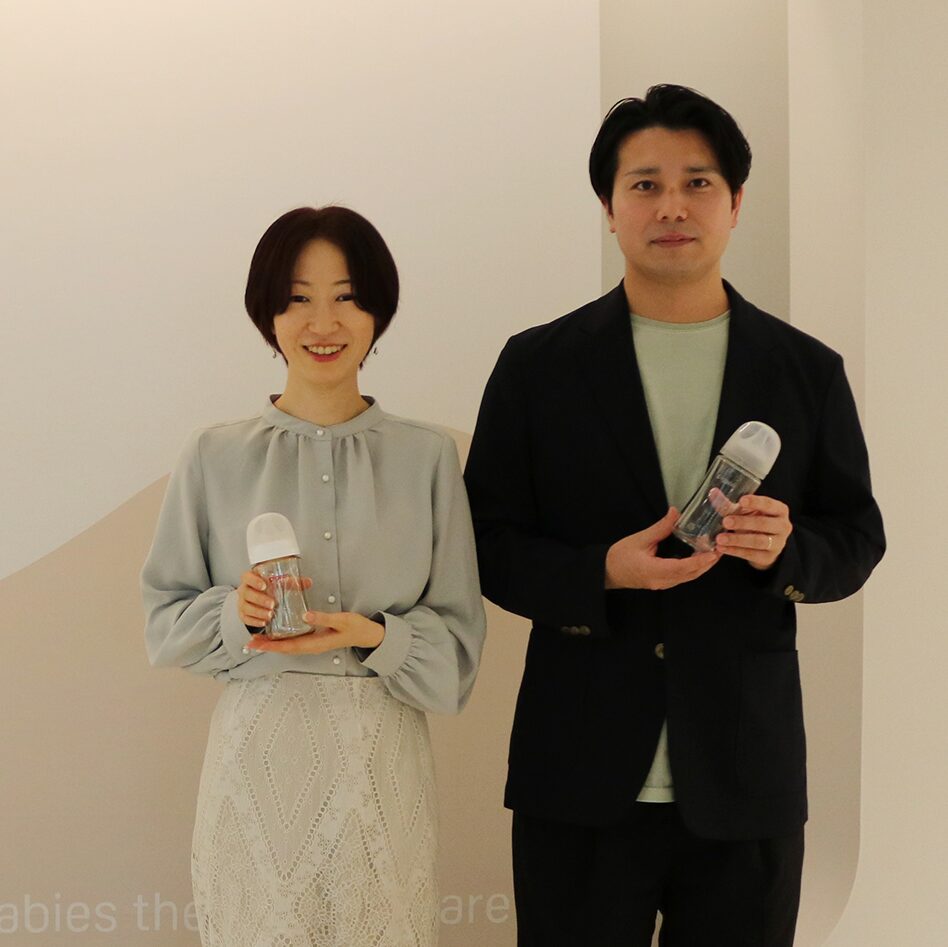
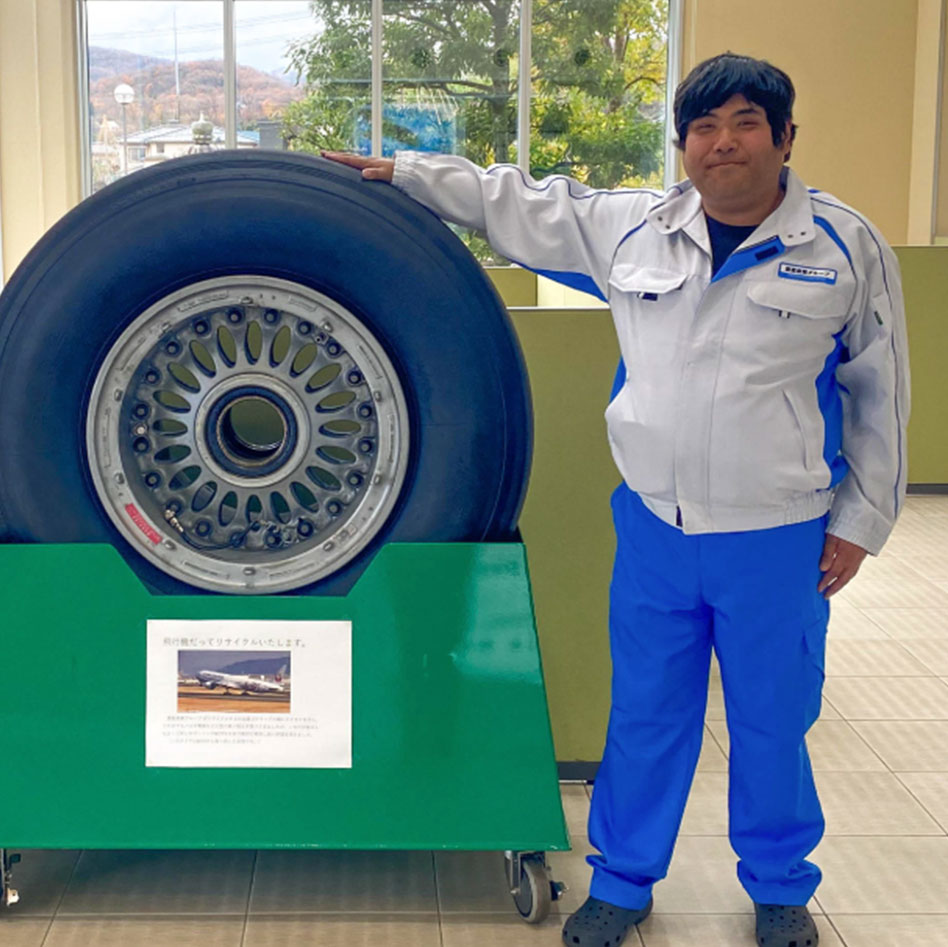
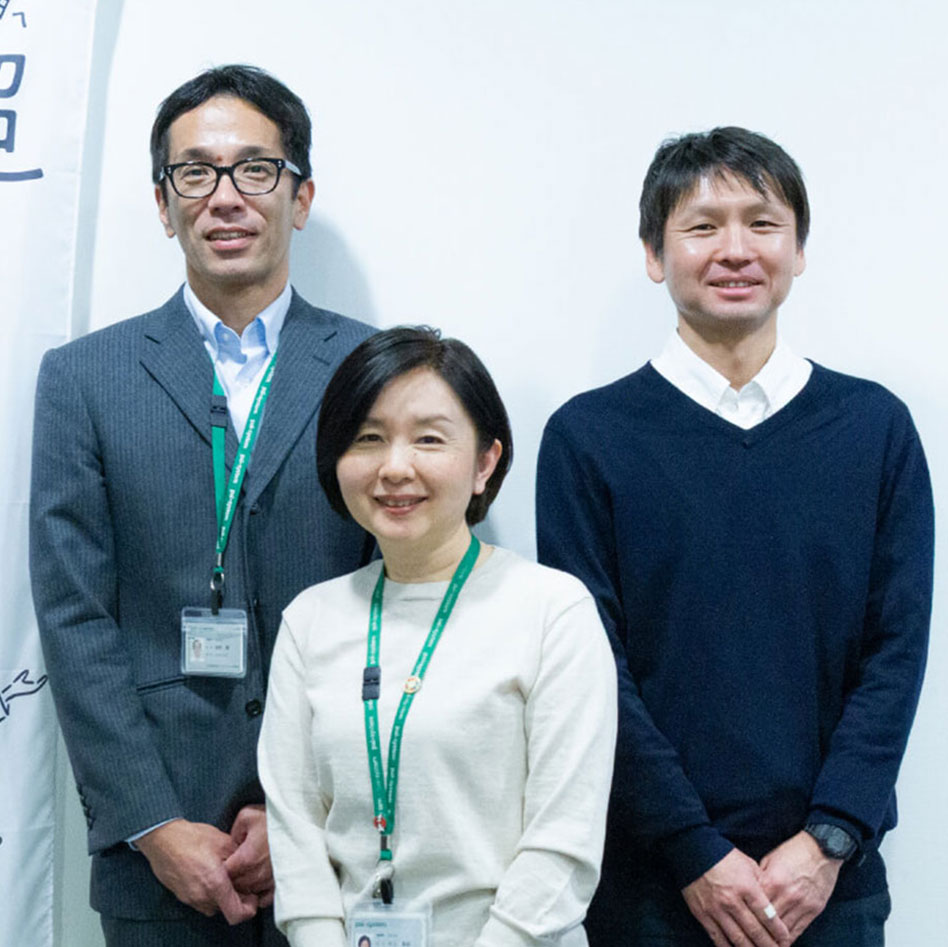
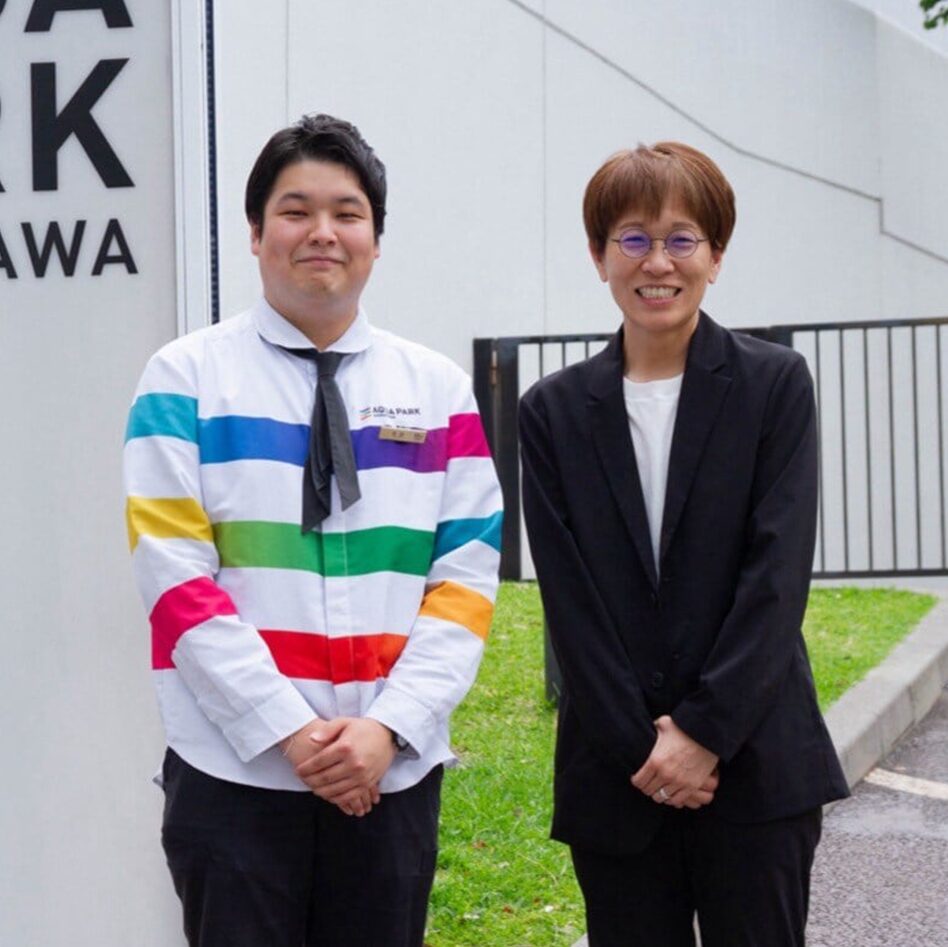
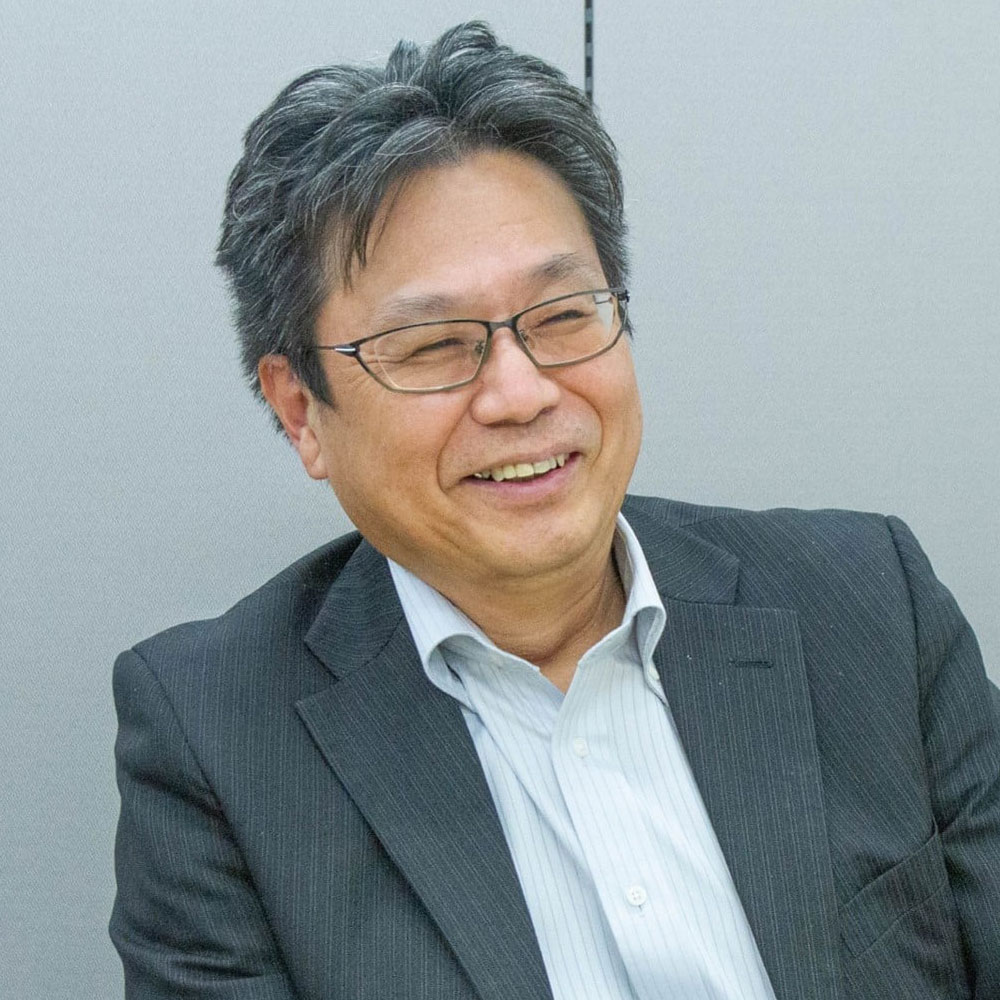
We spoke with Mr. Hideshi Ueshima, Deputy General Manager of the Sales Department, Mr. Hiroshi Morimoto, Section Chief of the Sales Department at the Chubu Sales Office, and Mr. Nobuhiro Takeyama, Section Chief of the Sales Department, about the collaboration between Japan West Pantech , Ltd., which is working on resource recovery through thermal recycling, and Pantech.
Achieving industry-leading handling volume at RPF manufacturing sites nationwide.
- -
Could you please tell me about the business operations of Japan West?
- Ueshima
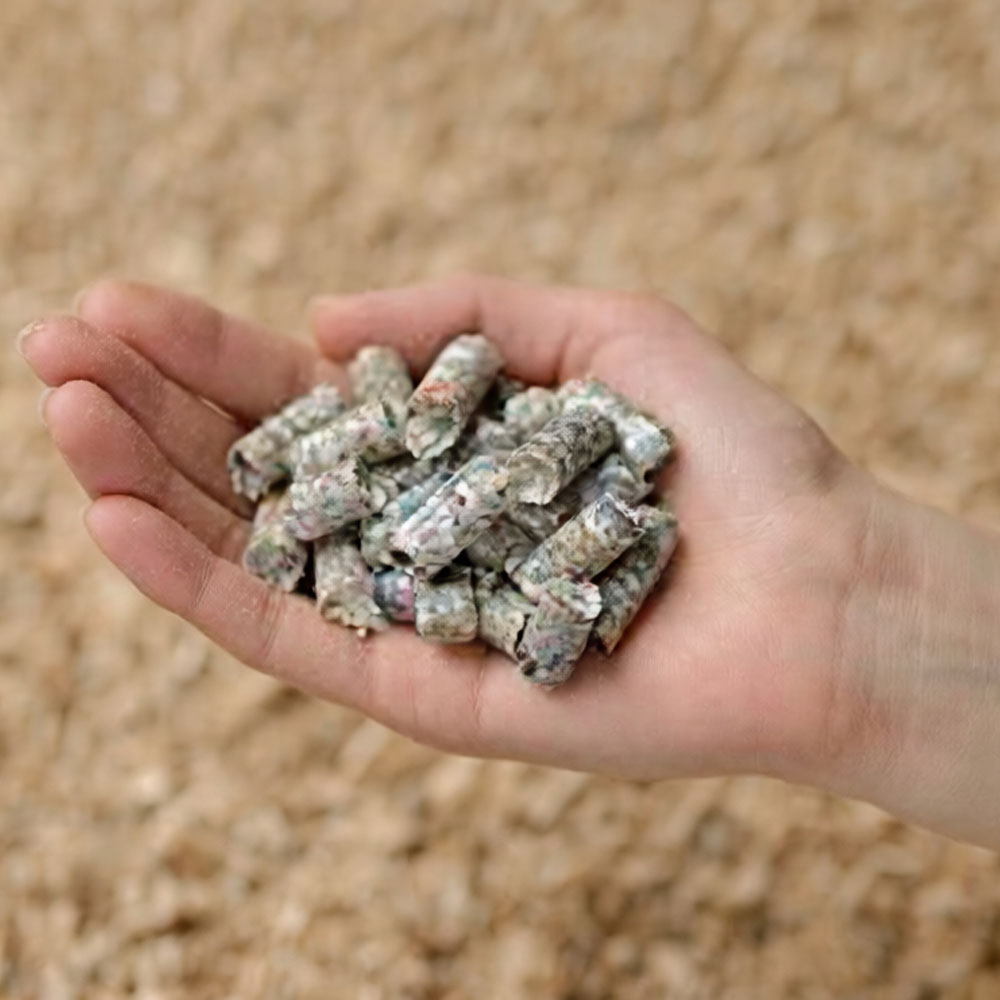
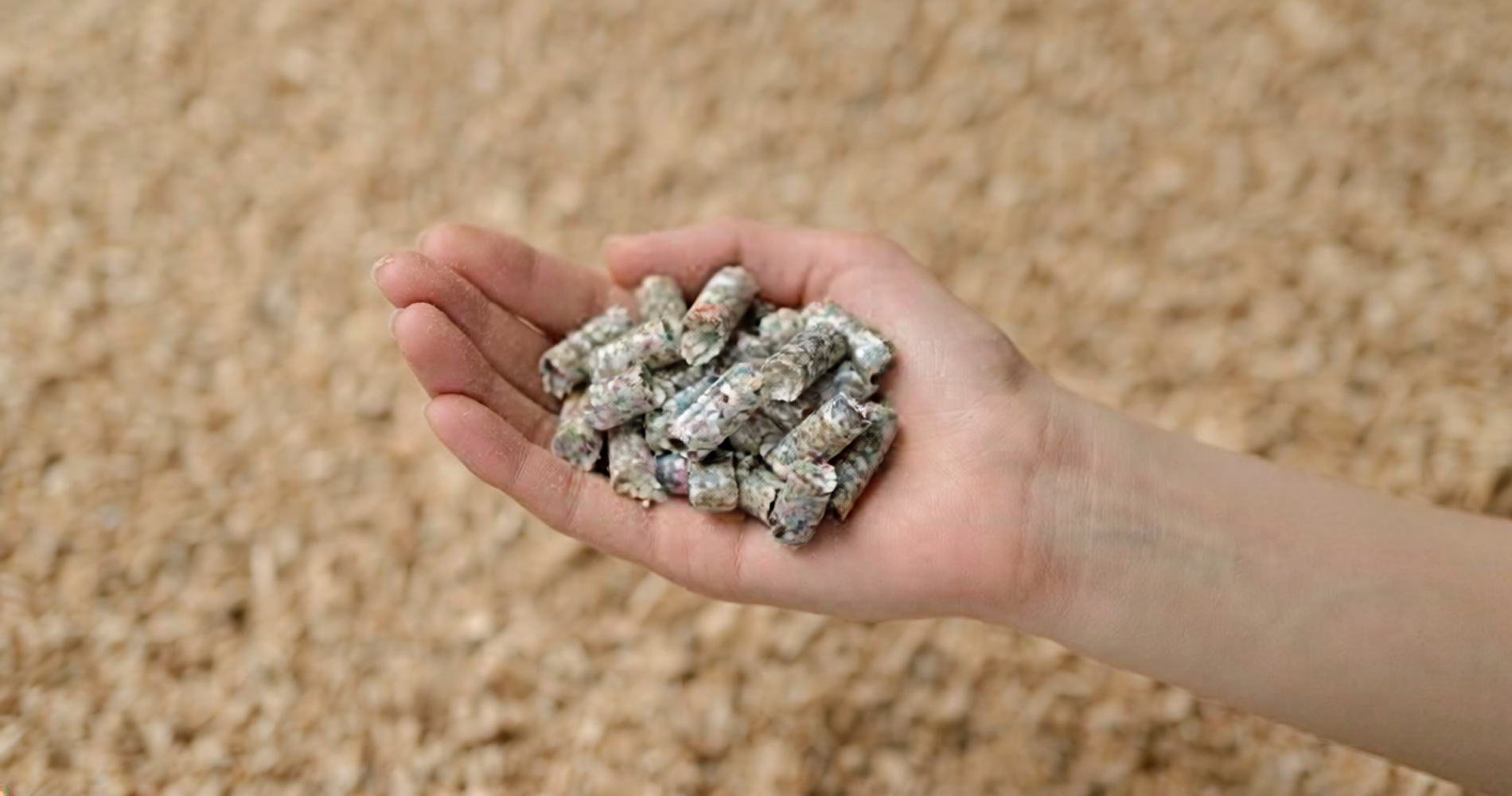
We collect industrial waste generated by businesses and manufacture solid fuel (RPF) primarily from waste plastics.
This RPF (Refuse Derived Fuel) is sold primarily to paper and steel companies nationwide as an alternative fuel to coal, coke, and other materials. We also offer solutions to waste treatment challenges and provide consulting services tailored to the specific needs of waste generators. Currently, Japan's annual RPF usage is estimated at 1.25 to 1.3 million tons, and our company handles 120,000 to 130,000 tons, representing slightly over 10% of the total market share.
By leveraging our network of production bases scattered throughout the country, we are able to sell RPF fuel nationwide.
- -
What is the mixing ratio of waste plastics and paper materials when manufacturing RPF (Refuse Derived Plastic)?
- Ueshima
The raw materials used for RPF are waste plastics and paper scraps that are difficult to recycle.
Depending on the specifications of the sales destination, the mixture consists of waste plastics and paper in a 7:3 ratio.
For example, laminated materials, labels, and adhesive paper are considered unsuitable raw materials for material recycling. Paper is generally classified as general waste, but unwanted paper discharged by paper processing companies and others becomes paper waste (industrial waste), and we manufacture and sell RPF (Refuse Derived Fuel) from paper that cannot be recycled into paper.
High internal recovery rate and product manufacturing under thorough quality control.
- -
Please tell me about your company's strengths.
- Ueshima
One of our biggest strengths is the high recovery rate achieved using our own trucks. In the thermal recycling industry, a large portion of waste is brought in by waste generators, but we believe that by using our own trucks for collection, we can offer advantages in terms of processing fees to waste generators. Currently, we own approximately 50 collection trucks, and 80% of our collections are carried out using our own trucks.
Furthermore, by equipping our packer trucks with load cells, we can collect waste not only from large-scale waste generators but also from small-scale generators. This allows us to reduce freight costs compared to individual collections, leading to lower processing costs.
Furthermore, since all of our truck drivers are full-time employees, we can immediately determine whether we can accept new materials even if we receive inquiries about them during collection. We feel that our ability to respond quickly and flexibly to one-off material disposals is a major strength.
Furthermore, we have strengths in terms of product quality. We were the first company in Japan to receive JIS certification for RPF manufacturing, and we manufacture our products in accordance with JIS standards. To ensure the stable provision of reliable quality, we have established an analysis laboratory and conduct in-house analysis once a week. In addition, we conduct external analysis once a month, and we strive daily to thoroughly control and maintain quality.
- -
Has the shift to a paperless system had any impact on fuel consumption?
- Ueshima
Currently, we sell RPF to approximately 50 customers nationwide, and we have not seen a decline in supply to paper companies due to the shift towards a paperless society. While paper usage and production are certainly decreasing, environmental measures require reducing carbon dioxide emissions, and using cheaper fuels to generate energy is considered a top priority. In that regard, the biomass fuel (biomass boilers) that we manufacture is being used preferentially over fossil fuels such as coal, so even though energy consumption has decreased, we have not yet seen a reduction in biomass fuel usage.
In addition, government subsidies are a major boost to the use of biomass fuels. By generating electricity using biomass fuels instead of fossil fuels, carbon dioxide emissions can be reduced by approximately 33%. As a result, there is a movement to reduce the use of fossil fuels, and some major paper companies are reporting on how much they have been able to reduce their carbon dioxide emissions. The use of biomass fuels is also being recommended as part of environmental protection efforts.
Examples of collaborations with Pantech
- -
What effects did you see from collaborating with Pantech ?
- Mr. Morimoto
Let me introduce you to a few examples of our collaborations.
Tie-up example ①: Major chemical manufacturer A
We were initially introduced to a major chemical manufacturer. Pantech had been handling the recovery of valuable materials for this company, but while they had materials that could be recovered as valuable resources, resins that were difficult to recycle were being disposed of as industrial waste. Pantech approached the major chemical manufacturer with a request to see if they could recover resins that could not be recovered as material recycling raw materials as thermal recycling raw materials, and that's how our business relationship with the major chemical manufacturer began.
Tie-up Case Study ②: Major Chemical Manufacturer B
We have also achieved the recovery of powders, which are difficult to recover. Generally, waste plastics used as raw materials for RPF are mostly in the form of films or molding losses, but one major chemical manufacturer was struggling with the disposal of powdered industrial waste. They consulted with us through Pantech to see if it was possible to recover it as an RPF raw material, and after much trial and error in processing methods, we arrived at our current business relationship. When manufacturing RPF, if powder is put into a crusher along with films and loss products, dust will fly around, and there is a risk of dust explosion, which is extremely dangerous.
Therefore, we have introduced a machine with a dedicated input port for powdered waste. I don't think there are many companies that have installed such a specialized machine. Also, according to RPF standards, materials containing chlorine are difficult to handle, but if we can recover a substantial amount of material even in its special form like powder, we are willing to experiment and propose recovery. We are actively taking on such challenges because they can be a great opportunity for us to expand the range of materials we can handle. Now, we are recovering nearly three times the amount we did when we first started doing business with them.
Tie-up example ③: Major automotive manufacturer C
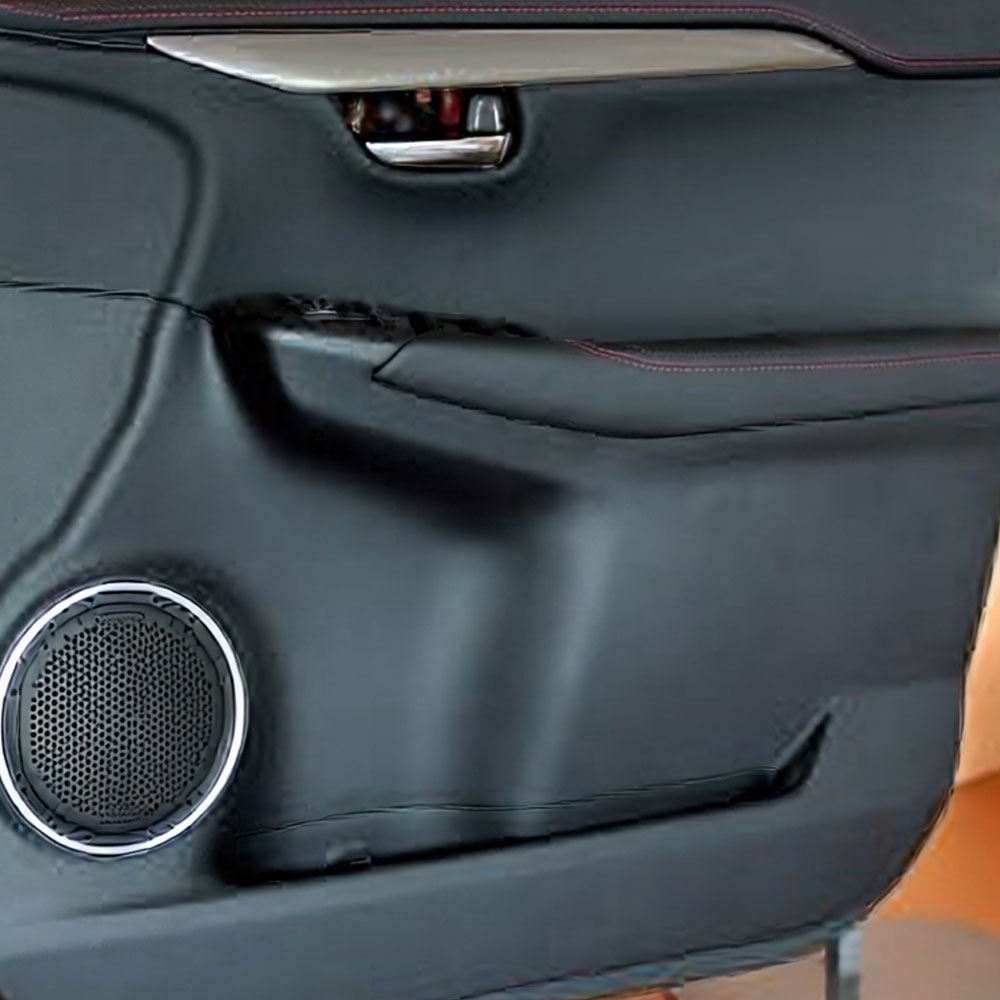
Major automotive manufacturers have also achieved cost reductions in their waste disposal services and are very satisfied with our collection services. Recently, we received a consultation from a company whose waste generation had nearly doubled due to increased production. Although we have a limited number of trucks, we were able to respond flexibly to the company's collection requests by increasing the number of collection trucks, and received high praise for our service.
We believe there are very few companies that own their own vehicles and handle a volume of 12,000 tons per month as a specialized RPF manufacturing and sales company. Our greatest strengths are our nationwide network and flexible response capabilities using collection vehicles equipped with weighing scales. By producing at high volumes, we can significantly reduce manufacturing costs and processing costs, creating a positive cycle that benefits our clients.
Here, we introduced the initiatives of three companies, but the waste materials from the businesses introduced by Pantech are all high-quality RPF raw materials. We look forward to meeting various companies through Pantech in the future and creating a system that generates even greater synergy.
What we expect from collaborating with material recycling companies
- -
What kind of company is Pantech as a material recycling company?
- Mr. Morimoto
While we receive many proposals from material recycling companies, it's difficult to envision long-term business relationships with companies that change their approach based on market fluctuations. The companies we supply raw materials to prioritize reliability in terms of quality and supply. If a company doesn't provide a stable supply of raw materials with consistent quality levels, it will negatively impact the end product. In particular, waste generated by intermediate processing companies is said to have unstable quality and is difficult to maintain. As a company that prioritizes raw material procurement, which is the input rather than the output, we believe that by recovering raw materials with stable quality and supply volume, we can deliver high-quality products to our customers.
For companies to partner with us, creditworthiness, reliability, and a proven track record are essential qualities. Pantech understands our mutual roles well, and we are working with them with a clear understanding of our interests. We consider them an ideal business partner because they are a reliable company capable of providing a stable supply.
Nowadays, not only the input but also the output is becoming important, so the ability to collect sorted, high-quality waste is crucial. In this respect, we are very grateful that the raw materials we receive from Pantech are of good quality and that we receive a stable supply.
Evaluation of Pantech and the Material Recycling Industry
- -
Please give me your evaluation of Pantech .
- Mr. Takeyama
As I mentioned earlier, the waste materials from the businesses introduced by Pantech are all of high quality and suitable as RPF raw materials, which is a great help.
Recommendations from Pantech , which has built trusting relationships with various clients including major corporations, are reliable. We have maintained a good relationship since starting our collaborative efforts, and by receiving high-quality RPF raw materials from all the new businesses that are introduced to us, we are building even greater trust and a stronger track record.As I interact with many businesses, I keep a close eye on the information about the materials industry that Pantech provides.
Pantech 's monthly Asia market report not only covers domestic market conditions but also includes firsthand information from overseas users who are customers, allowing us to understand trends in the materials industry. In fact, we are able to report the current state of materials to our waste generators based on the information obtained from the market report, which is extremely helpful in practical matters.
We feel that customer satisfaction has increased because we can now offer comprehensive proposals that include valuable materials. Being able to offer solutions beyond waste management has also broadened our sales scope. We look forward to the continued delivery of the latest Asian market reports.- -
What is your view on the materials industry?
- Mr. Takeyama
I believe that companies that conduct transparent transactions and specialize in a particular area are the ones that will survive.
As the number of resins that are difficult to handle increases, companies that clearly state which materials can and cannot be handled as recycled raw materials will likely be more reassuring to customers.
The days when any resin could be accepted are over. The material recycling industry, where natural selection is progressing, will likely become even more competitive. Differentiating yourself from other companies will be key.
Expectations and future prospects for Pantech.
- -
What are your expectations for Pantech going forward?
- Ueshima
We want to fully utilize each other's strengths to enhance synergy and expand the businesses of both companies.
We believe that material recycling should be the priority in the proper waste management process. However, for materials that are unsuitable for or difficult to recycle, we would like you to consult with us as a trusted partner. Also, if you know of any businesses that are having trouble with material recycling, we would appreciate it if you could introduce them to us, and we will propose recycling possibilities. We want to make the most of each other's strengths to enhance synergy and lead to the expansion of both companies' businesses. And we want to continue a win-win relationship that will increase customer satisfaction more than ever before.