

The ENEOS Group focuses on environmental issues and ESG management.
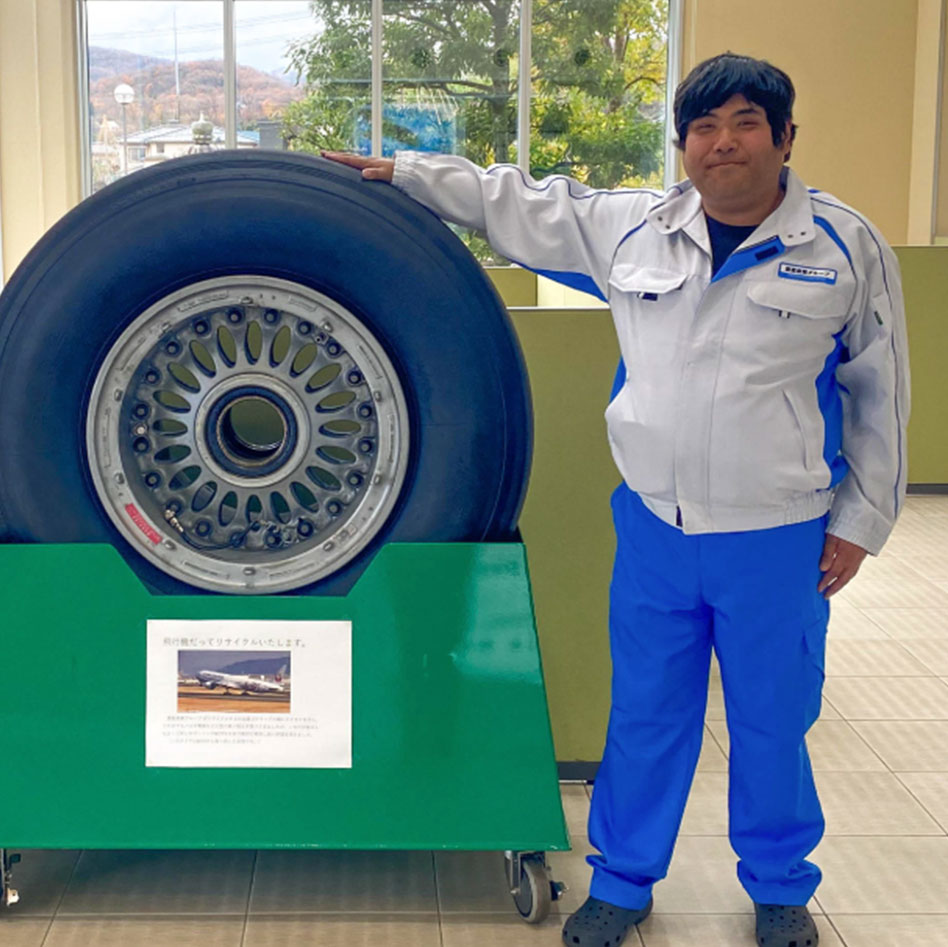
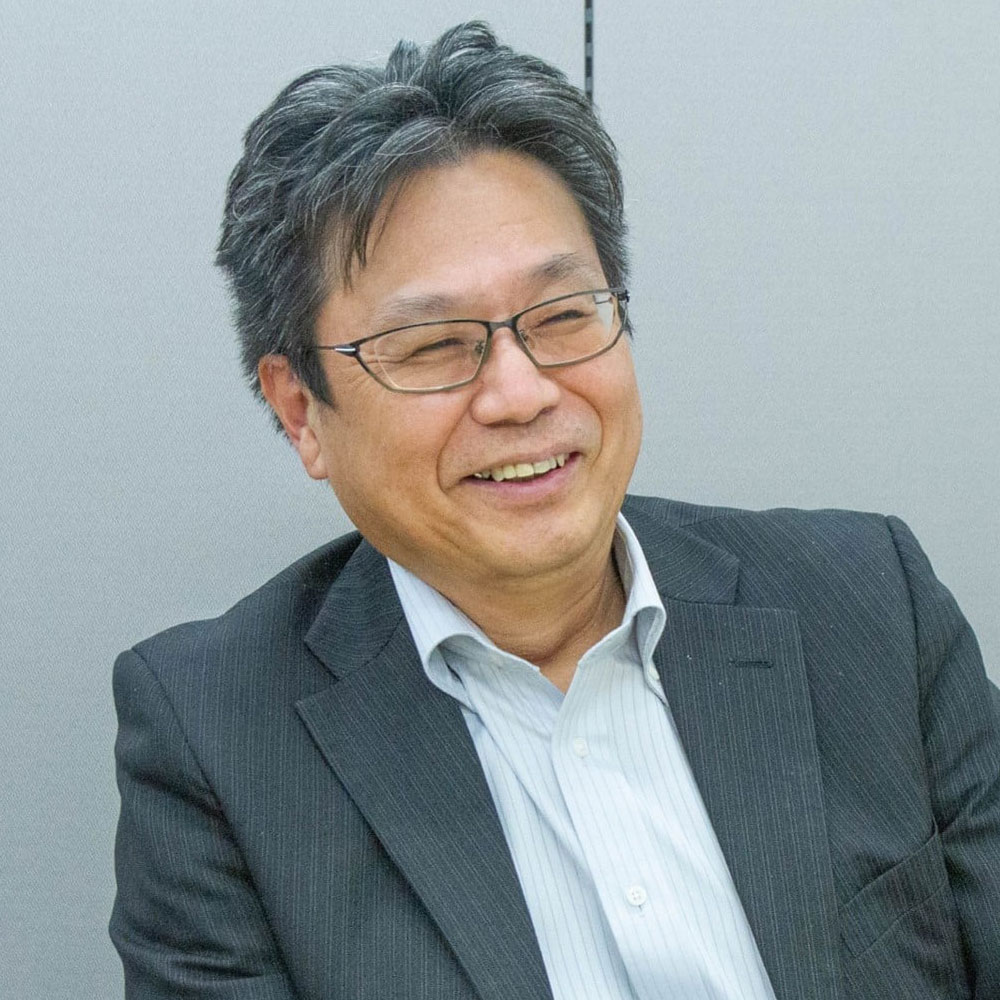
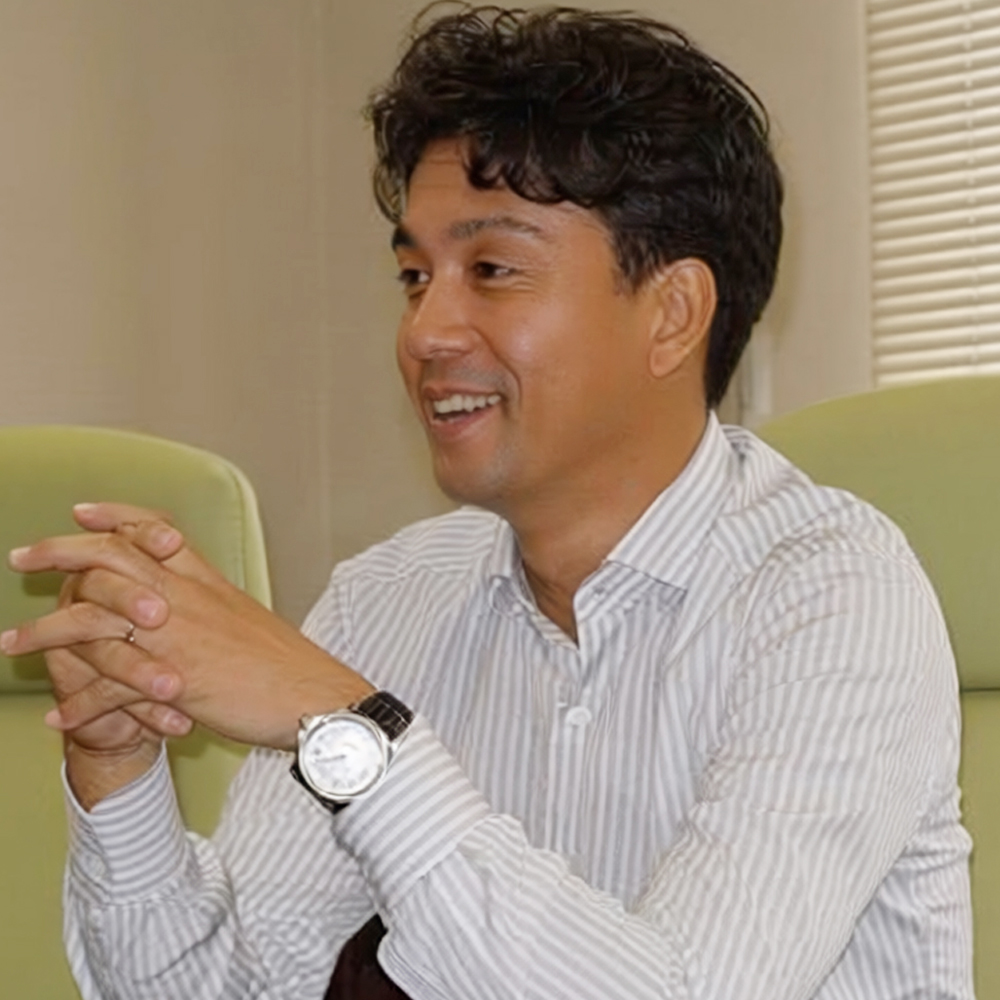
ENEOS Technomaterial, a member of that group, is working towards the group's common goals of reducing CO₂ emissions and maintaining a zero-emission waste disposal rate, and has consistently exceeded its targets. This time, we spoke with Mr. Oishi, the Environmental Safety Group Manager, who is at the forefront of these activities within the company, about their initiatives at the Narita Plant, how their business relationship with Pantech began, and the results they have achieved.
Previous recycling activities
- Q1
What kind of processing did the plastics you are currently entrusting to Pantech for recycling into valuable resources undergo in the past?
- A1
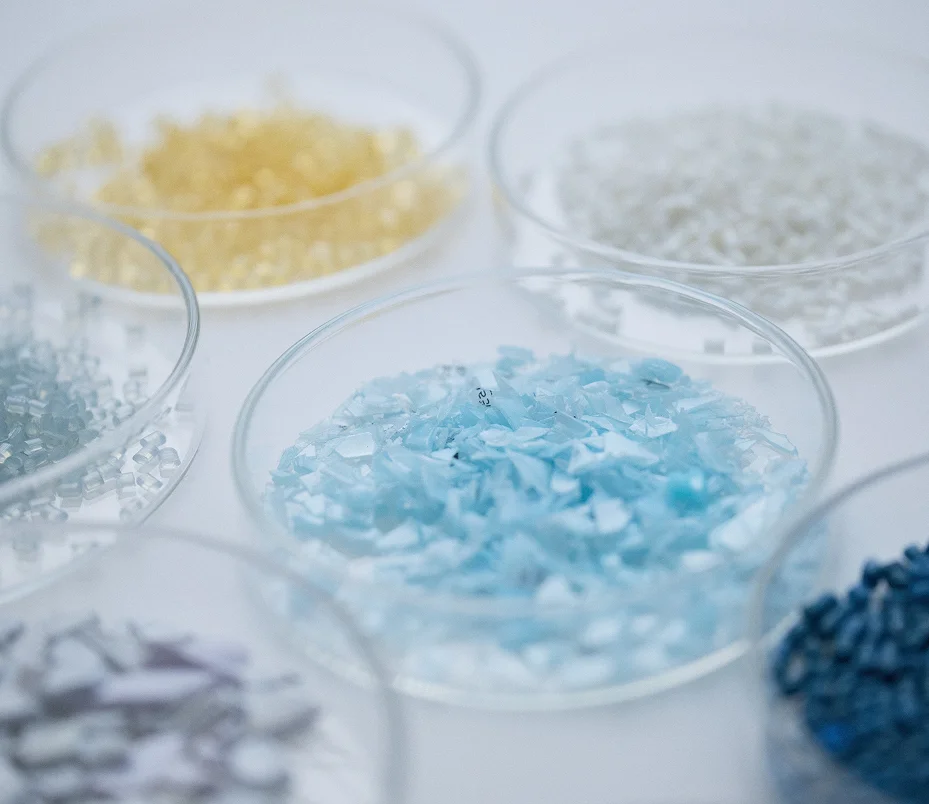
The waste plastics generated at our factory consist of three types: PE, PP, and PET. While we are making progress in recycling PE and PP in-house, PET has been incinerated.
Prior to that, PET was sold to China for recycling, but in 2017, large-scale environmental regulations were imposed in that country, causing exports to suddenly stop. As a result, Japan was forced to switch to incineration domestically. Incineration not only generates a large amount of CO2, but also incurs transportation costs, making the establishment of a new recycling flow a challenge.
At the time, I repeatedly met with recyclers both domestically and internationally, but as other Asian countries followed China's example and tightened regulations on waste plastics, I was unable to find a solution.
2017 was perhaps the year that the model of Japan buying raw materials, manufacturing products, and exporting recyclable waste overseas came to an end. Currently, even if the materials are relatively clean due to line loss, if they are to be exported as resources, they must be managed in the same way as finished products.
Recycling activities from the start of the transaction to the start of the transaction
- Q2
You mentioned that you've met with various recyclers before. Could you tell us what led you to start doing business with our company?
- A2
Pantech 's Tokyo branch is located very close to our head office, and they visited our planning department, which was the initialきっかけ (trigger/reason) for our collaboration.
I understand that the discussion was about a proposal for recycled materials. Ultimately, that deal fell through, but the person in charge of planning introduced me to a company that seemed promising.At the time, I was desperately searching for a new recycler that could handle PET, so I didn't think it would be easy to find one. I remember being rather reserved and contacting them through their website.
When I actually met with the person in charge, I was impressed by their extensive knowledge of material recycling. They shared the latest recycling trends and their past achievements, and I felt that this was the company I had been searching for.After that, we went through a schedule that included factory visits and sample evaluations in preparation for starting business, and our first transaction took place in October 2019, two months after the initial inquiry.
- Q3
Since we started doing business together, have you noticed any changes in your company's recycling practices?
- A3
The biggest factor is definitely cost.
Paying disposal fees for industrial waste and having it purchased as a valuable commodity are completely different things.
While I cannot disclose specific figures, we were able to reduce costs to a degree that clearly impacted manufacturing costs.Another advantage is stable trading.
Last year, the price of waste plastic fluctuated greatly due to the COVID-19 pandemic. Other recyclers that our factory does business with found it difficult not only to maintain prices but even to accept the waste, but Pantech alone continued to do business with us without showing any signs of being affected.Lastly, and this is just an unnecessary addition, it's really a matter of feeling.
For someone like me who works in the environmental field, incineration is a very unpleasant process.
To use a clothing analogy, it's like the difference between throwing something in the trash and taking it to a recycling shop, right? I'm feeling much better about my work now.
Handling of plastic waste materials
- Q4
Could you please tell me how your company handles plastic waste materials?
- A4
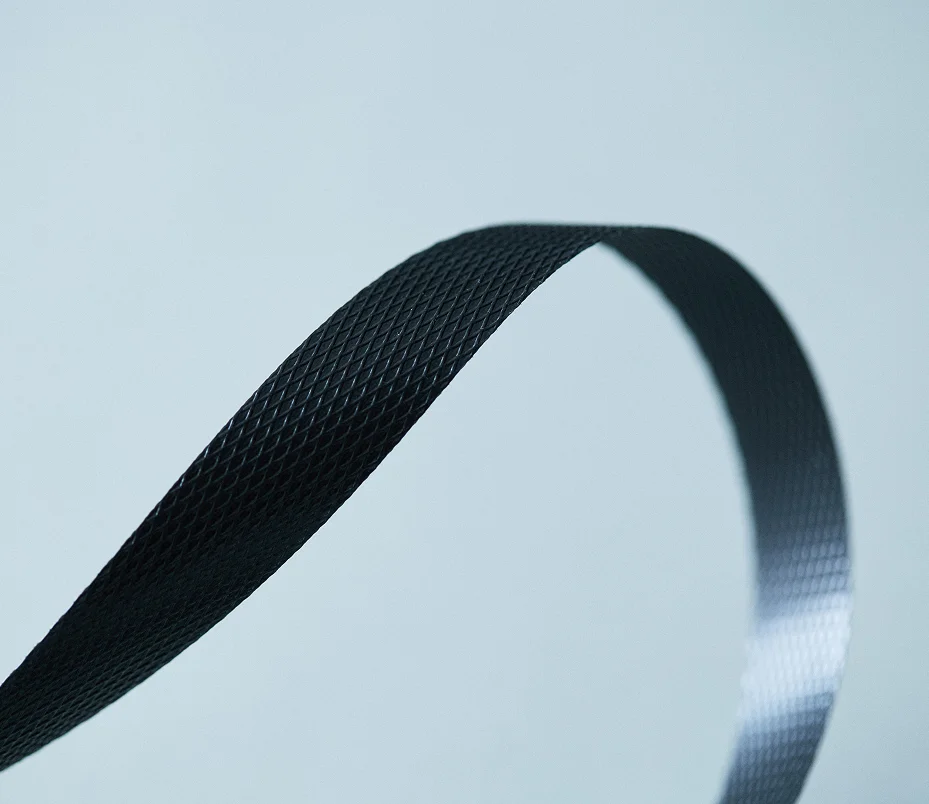
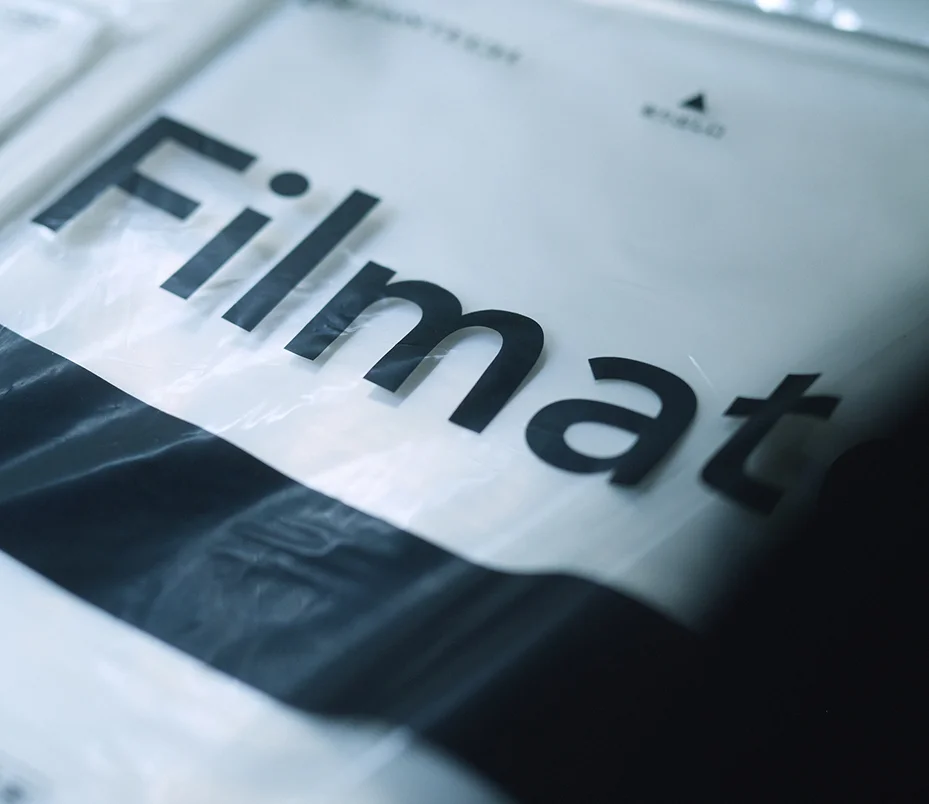
Line losses generated during the manufacturing of PET products are immediately separated into rolls and bales, wrapped in stretch film, and palletized. Storage is also carefully managed, with products kept in a warehouse to protect them from the elements. Container loading (vanning) is also handled in-house, with manual loading to ensure maximum efficiency and avoid gaps. Recently, the packaging is being photographed to confirm whether or not it's ready for shipment, demonstrating that the products are being handled with the same care as finished goods.
On the other hand, regarding PE/PP, as the environment surrounding waste plastics has become more stringent, we have come to realize the low level of management at our factory. I think that because we were promoting recycling in-house, we were actually less aware of the changes in the external environment. The collection price for waste plastics is determined in detail by their color and shape. It's the well-known saying that if you don't separate it, it's garbage; if you separate it, it's a resource. It's the same as household waste. We are asking our manufacturing staff to separate and package materials more carefully than ever before.
What I expect from future initiatives
- Q5
I've heard a lot from you, but what are your expectations for our company going forward?
- A5
In recent years, the environment surrounding waste plastics has been changing dramatically.
Without not only specialized knowledge but also on-site experience, it would be impossible to keep up with the changes. Most recently, the revised Basel Convention came into effect. Anyone can find out the details of the revisions by searching online, but how they are actually applied can only be understood by going to the site. Immediately after the implementation, our factory's waste plastic (PE) was exposed to strong winds and covered in sand at the scrap yard, which posed a risk of violating the law.
In the end, Pantech helped us wash away the sand with water, and we were able to ship the products. It's a simple point, but even in cases like this, if you handle it properly, the products can be accepted as resources by the receiving country instead of becoming waste. Based on this experience, we have made some changes to how we handle waste plastics in our factory. We look forward to receiving feedback on this kind of practical information from Pantech .Another initiative is the recycling of waste plastics. Environmental initiatives have been attracting attention recently, and within the ENEOS Group, keywords such as the formation of a low-carbon society and a circular economy have been set as goals, and there is a strong demand for outputs that align with these goals.
Isn't it true that in this day and age, companies that generate large amounts of waste plastic (line loss) are socially unacceptable? At our factory, we recycle 70% of our line loss, mainly PE, in-house. We have a plan to increase this to 100% with the help of external resources. Our idea is to develop environmentally friendly products using recycled materials and return all purchased raw materials to society as finished products. It's a challenging goal, but we are determined to achieve it, with advice from Pantech , a recycling expert.