Case Summary
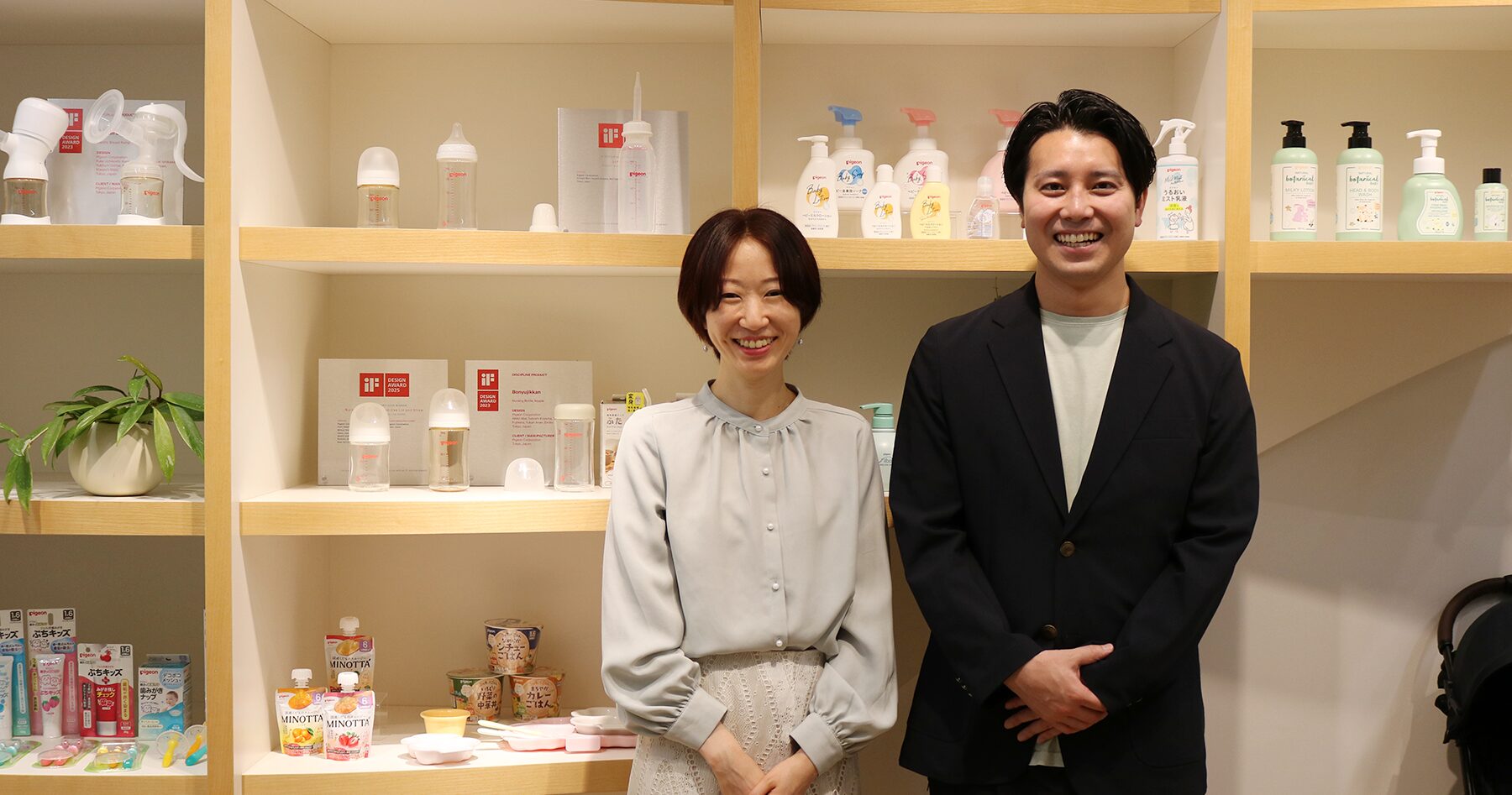
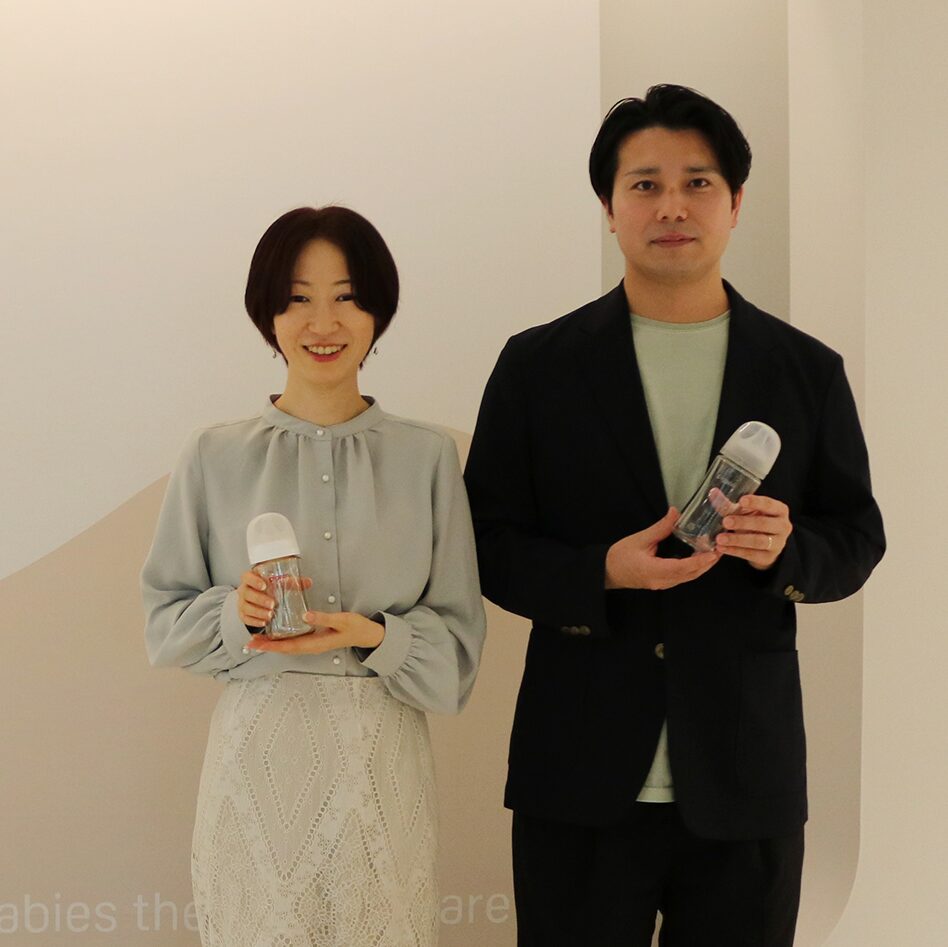
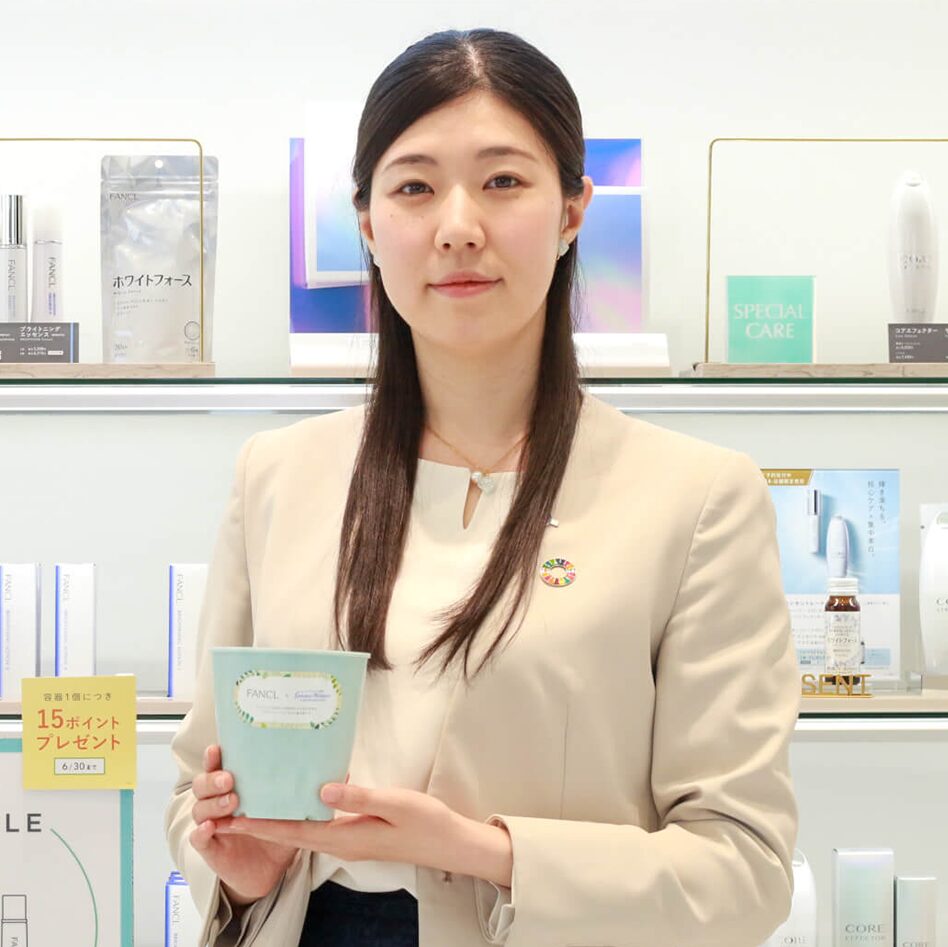
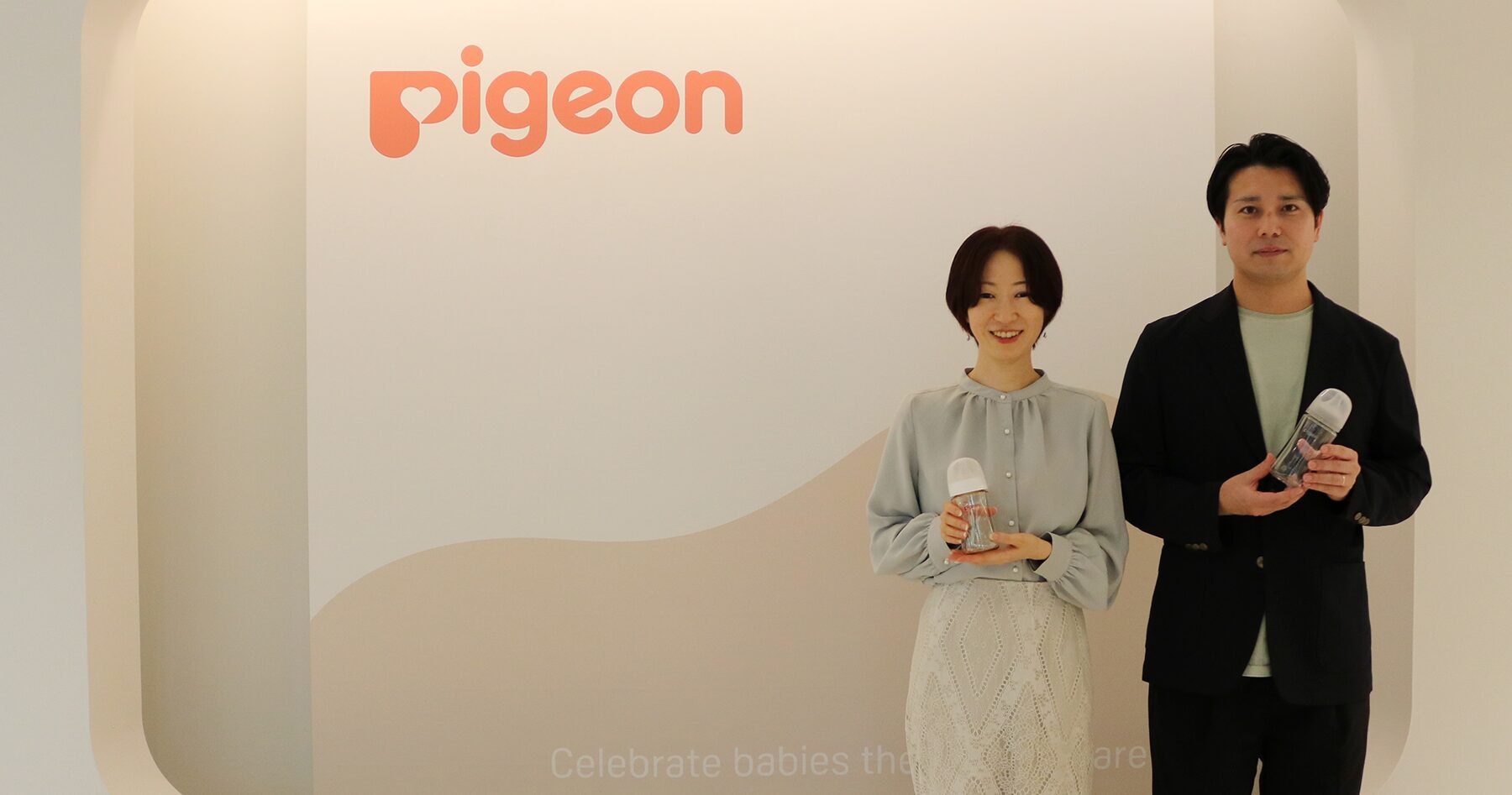
Pigeon Corporation, a leader in the baby products industry, launched a "baby bottle collection and recycling" initiative in 2022 in collaboration with Akachan Honpo Co., Ltd. Starting with 10 Akachan Honpo stores in the Kanto region, the initiative expanded to 124 stores nationwide in 2023, and has grown to 130 stores as of January 2026. The initiative has been well-received by customers for allowing them to reuse baby bottles filled with memories instead of throwing them away, and the circle of support is steadily expanding.
Building a unique collection scheme for their own baby bottles, unprecedented in the industry, presented numerous challenges. How did they overcome hurdles such as complying with legal regulations related to in-store collection and establishing sorting processes? We spoke with representatives from their headquarters and Tsukuba plant, which is on the front lines of sorting, to learn about how they collaborated with their partner Pantech to advance the initiative, and their outlook for realizing a circular economy in the future.
* All information in this article is current as of the day of the interview.
- Manufacturers were unable to establish collection points on their own, and used baby bottles had no choice but to be disposed of as "garbage" in each household.
- They lacked the legal interpretation of waste disposal laws and other regulations regarding in-store collection, as well as the knowledge and expertise to design a legally compliant collection scheme.
- There were no established sorting standards for the various materials used in baby bottles (glass, several types of plastic, silicone rubber, etc.).
- With the participation of Pantech, which possesses expertise in in-store collection, the initiative, which had been in the conceptual stage, has now been fully launched.
- We were able to overcome the challenges posed by relevant laws and regulations and establish a legal and traceable recovery scheme.
- Sorting standards were established, and a continuous resource recycling scheme could be implemented.
Challenges in undertaking this initiative
- ―
I imagine that the scheme of collecting used baby bottles at stores presented significant challenges in terms of operational setup and costs. Could you please explain the reasons and background behind your decision to proceed with this project despite these challenges?
- Anan
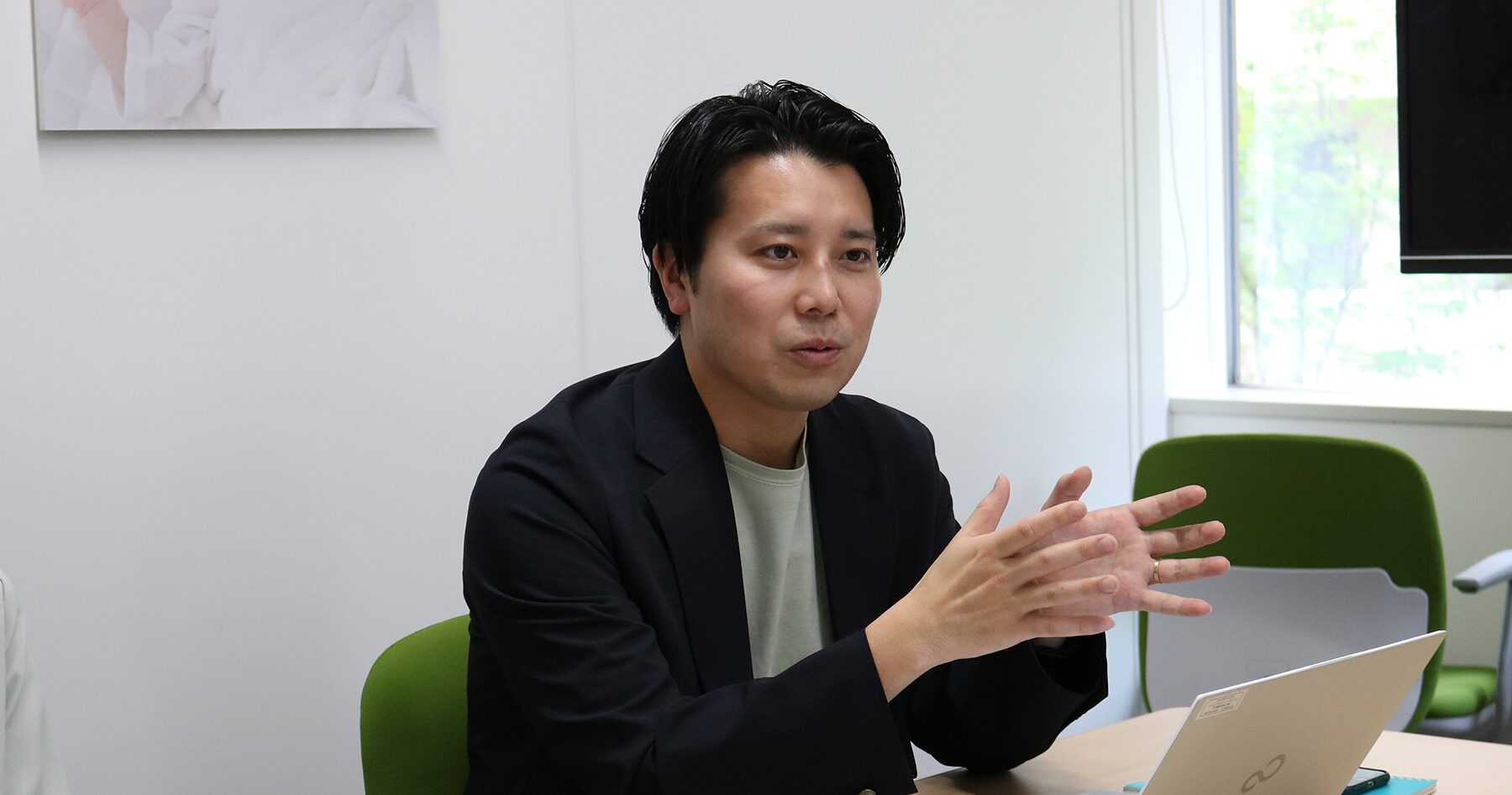
This project originally started as a discussion within our package design group about "what we can do now as a new initiative." That was around 2021.
At the time, there was a growing momentum throughout the company to address environmental issues and promote sustainability, and many employees expressed sentiments such as, "It's a shame to simply throw away baby bottles that are no longer used after the baby has finished breastfeeding."
That's where the idea began: to create a system to collect discarded baby bottles and recycle them as resources.- Tanobe
Regarding costs, we understood that, considering the expenses involved in collection and recycling, it wouldn't be a profitable business model from the outset.
However, the decision was made with strong support from the company, who said, "Let's try this first for the sake of the environment," and based on a greater emphasis on the importance of improving customer loyalty to the Pigeon brand and fulfilling our corporate social responsibility for the sake of the next generation of babies, rather than just considering short-term costs.- ―
We believe that "recalling your own company's baby bottles" is unprecedented in the baby products industry as a whole. What structural challenges or difficulties did you anticipate when launching this initiative?
- Anan
The biggest obstacle we faced was legal aspects, particularly compliance with laws such as the Waste Management Act (officially known as the Waste Management and Public Cleansing Act).
When collecting used baby bottles at retail stores, we needed to accurately define the legal requirements and how that process would be interpreted. Furthermore, as a manufacturer, we alone cannot establish collection points that directly interact with customers, so the scheme itself wouldn't work without the cooperation of retailers. I felt that the first hurdle was having to proceed by trial and error, verifying legality and ensuring traceability in an unprecedented situation.- Tanobe
Furthermore, there are challenges unique to baby products even after they are collected.
Because baby bottles come into direct contact with a baby's mouth, they require extremely high hygiene and safety standards. Ideally, it would be best to recycle collected bottle bottles back into new bottles ("horizontal recycling" or "bottle-to-bottle recycling"), but in reality, this is legally difficult.- Anan
In addition, because a single product uses a variety of materials, such as glass and multiple types of plastic, the challenge was how to accurately separate these materials for recycling. Furthermore, given the difficulty of horizontal recycling, it was also challenging to find a way to recycle the collected materials and determine what they would ultimately be transformed into.
Reasons for choosing Pantech as our recycling partner
- ―
Given the challenges you face, could you tell us why you chose our company as your recycling partner? What was the initial contact like?
- Tanobe
The initial impetus came when Pantech called our Sustainability Promotion Department.
At that very moment, our company, primarily through the packaging design group, was working on a plan to collect baby bottles, so we shared the news internally that "a company with extensive expertise in plastic recycling has approached us," and we immediately began discussing the details with them.- Anan
The main reason we chose Pantech as our partner was their deep understanding of the legal regulations surrounding in-store product collection, which was a challenge we were facing.
What ultimately convinced us was that they not only collected and recycled the plastic, but also provided consulting services for verifying the process with government and local authorities, and for building a collection scheme that ensured legality. The peace of mind that came from knowing that we could reliably track the traceability from collection to recycling while ensuring thorough compliance was extremely important.- ―
What adjustments or hurdles did you encounter when starting your collaboration with Akachan Honpo Co., Ltd.?
- Anan
As a manufacturer, we alone cannot establish collection points, so we needed the cooperation of retailers. That's why we reached out to Akachan Honpo, a company with a strong interest in environmental initiatives.
Our biggest concerns when proposing this solution were the need to allocate valuable store space for collection boxes and the potential for imposing a new burden on store staff with the daily task of collection operations.
However, when we consulted with Akachan Honpo, they deeply resonated with our vision of "leaving a better environment for future babies," and instead of simply "providing a collection point," we were able to build a strong collaborative relationship as partners who share the same goal and aspirations.On the other hand, when it came to actually building the collection scheme, we had to start from scratch, as we lacked legal knowledge within the company regarding how to properly handle the baby bottles to be collected. That's where Pantech proved to be a great help.
Pantech provided us with concrete advice on how to build a reliable collection scheme while addressing legal challenges that we were unfamiliar with. Furthermore, the fact that they didn't just offer consulting but also actually implemented a recycling scheme that ensured traceability and thorough compliance was extremely appealing.Thanks to our strong partnership with Akachan Honpo and the practical support from Pantech , we were able to bring the project from its inception to the start of the pilot test in just about eight months.
Regarding the expansion of our initiatives
- ―
The initiative, which began with 10 stores in the Kanto region in 2022, rapidly expanded to 124 stores nationwide by March 2023. When did the idea of nationwide expansion first come about?
- Anan
We had considered nationwide expansion from the project's conceptual stage. However, because we couldn't predict the actual operational challenges and collection volumes, we decided to start small with 10 stores in the Kanto region and proceed with the trial while conducting evaluations.
- Tanobe
Initially, awareness among customers was slow to spread, and the amount of baby bottles collected in the collection boxes was not large. However, through continuous posting on social media and word-of-mouth among customers, the information that "Pigeon baby bottles can be recycled at stores" spread, and the amount collected gradually increased.
We have received many heartwarming comments from customers, such as, "It was heartbreaking to throw away a baby bottle that held so many memories, so I'm really happy that it will be collected and turned into a new resource." Within the company, seeing the collection boxes overflowing in stores and hearing the positive feedback has boosted employee morale and pride in our company.
Regarding the sorting process
- ―
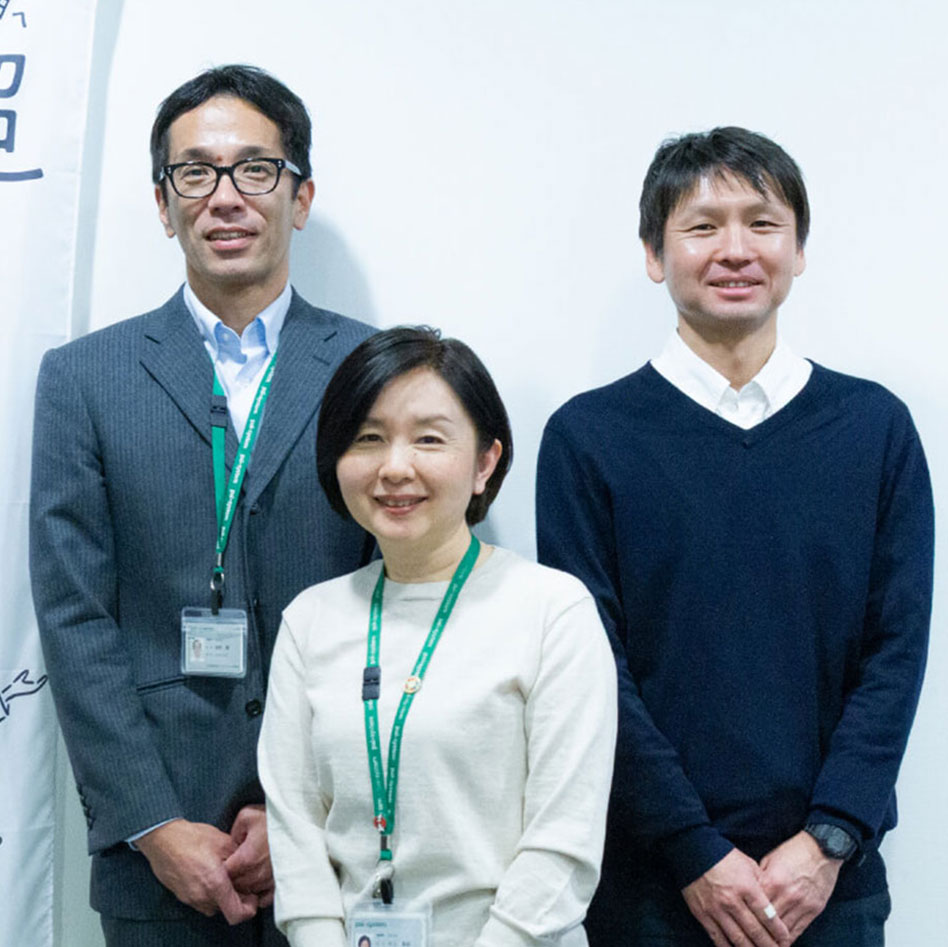
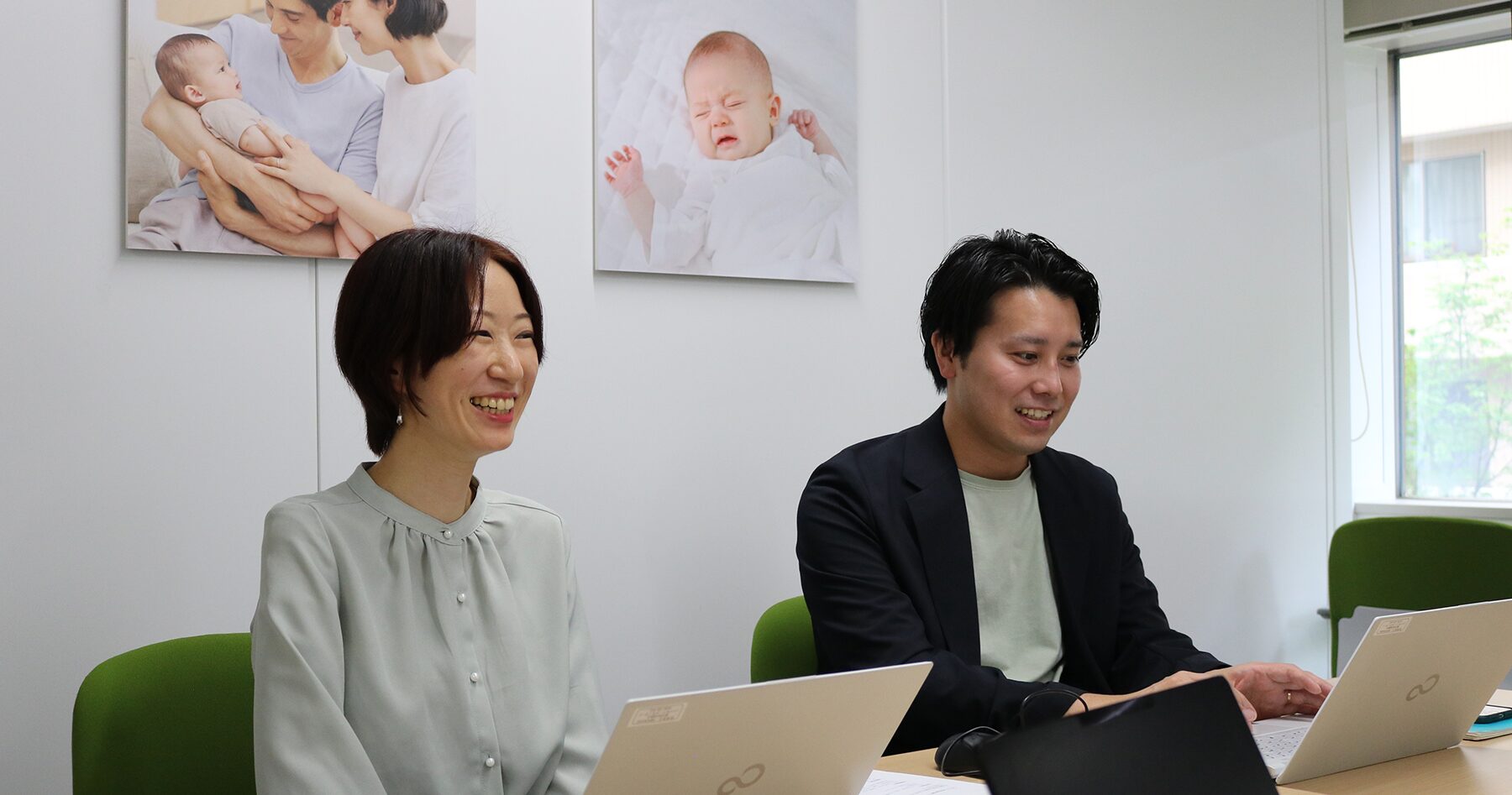
We spoke with Mr. Hoshino and Mr. Ando from the Tsukuba Center Management Group, Logistics Department, SCM Headquarters, who are in charge of the Tsukuba Plant where baby bottles collected from all over the country are gathered. Could you tell us about the most difficult aspects you encountered while actually carrying out the sorting work?
- Mr. Ando
The products being returned include not only current products but also older products that were revamped several years ago. Although they look almost the same, the materials may have actually been changed, so the most nerve-wracking part is checking each one to make sure it's "really made of this material."
- Mr. Hoshino
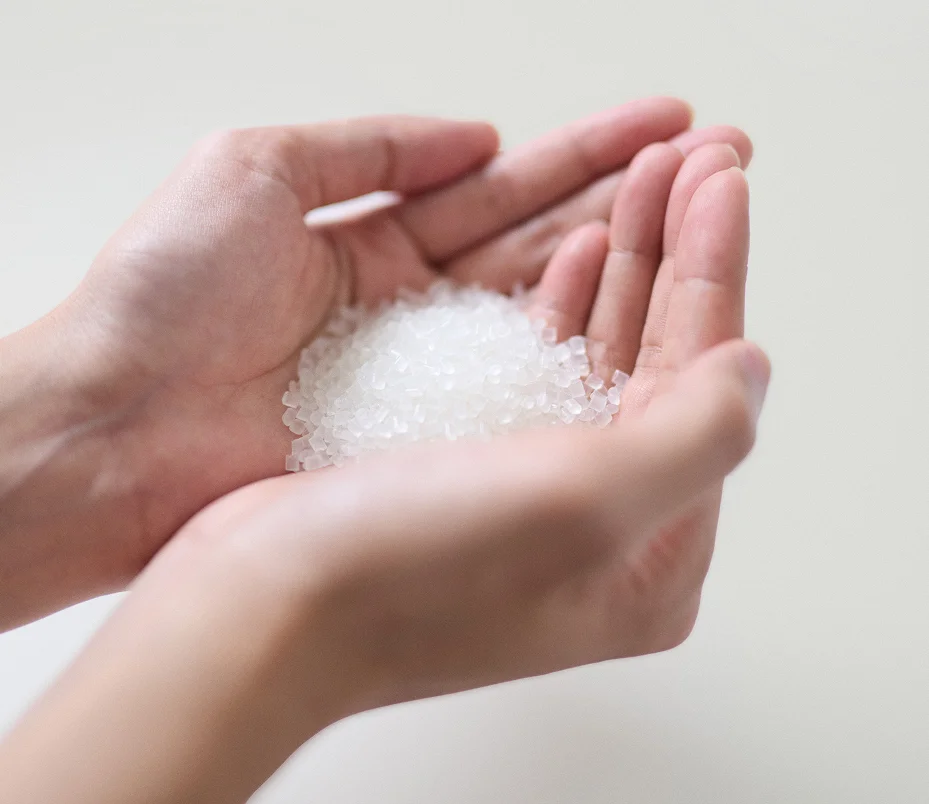
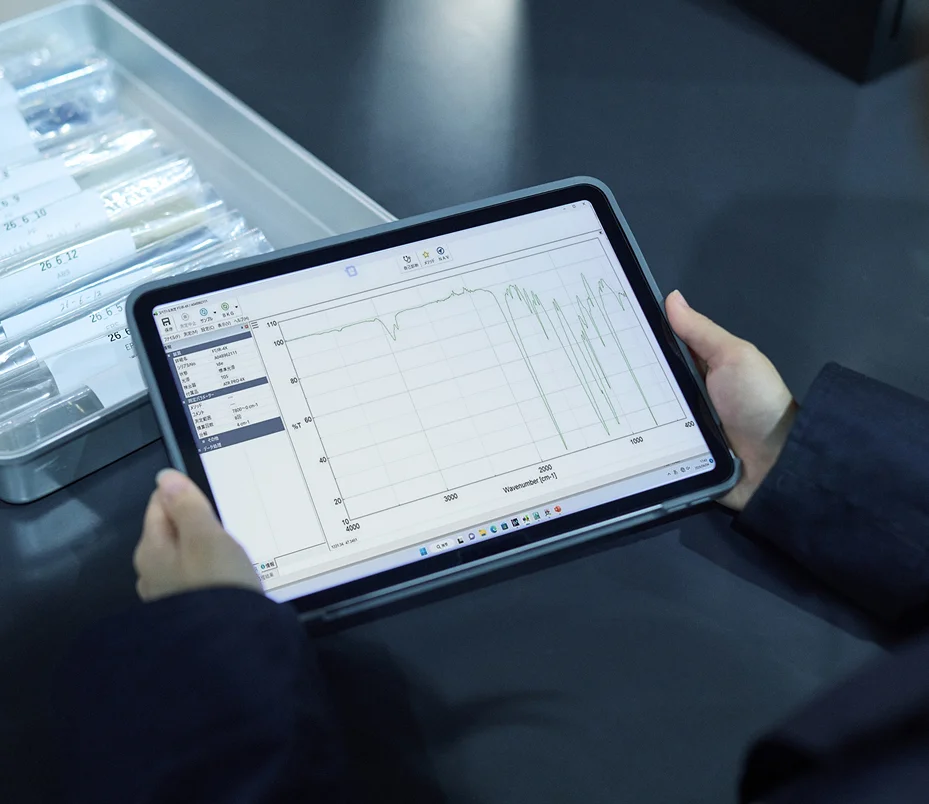
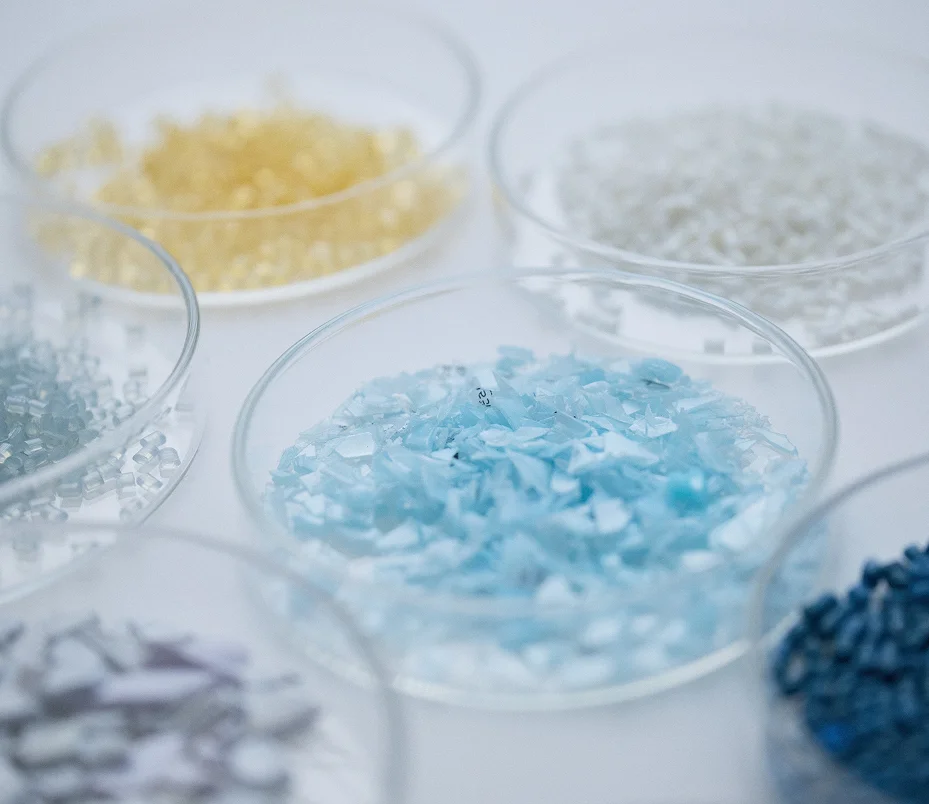
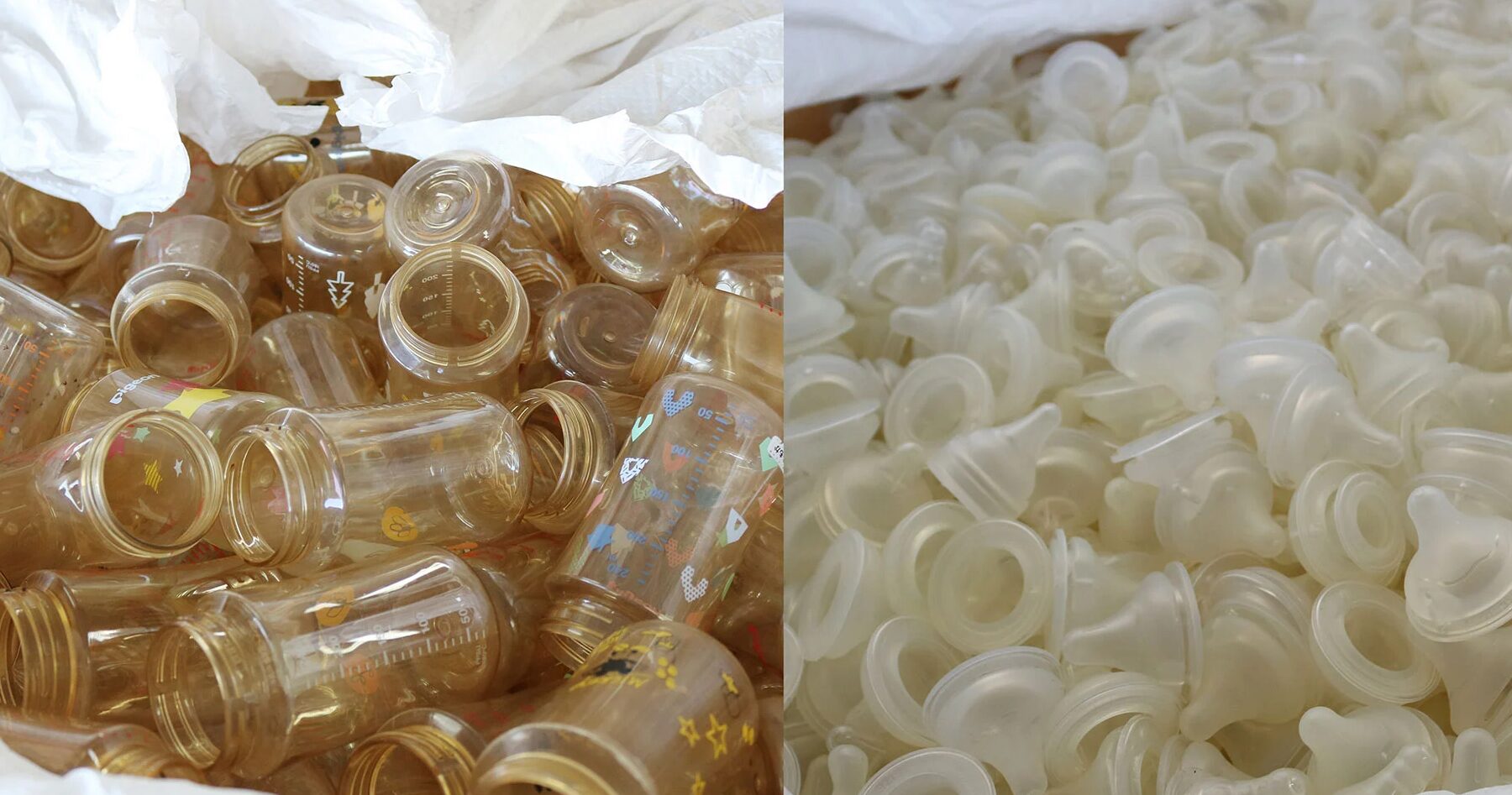
Even just for the bottle portion of the baby bottle, we needed to sort it into five different types: two types of glass and three types of plastic (PPSU, PP, and T-Ester). Since the materials can differ even if the shape is the same, we initially referred to the "confirmation sheet (checklist)" created by Pantech and implemented the definition of each material one by one on-site.
- ―
Have there been any changes in the on-site structure or in the awareness of the employees?
- Mr. Ando
Initially, the task was shared among several people, but now it is handled by a dedicated person. While it was previously necessary to complete the work in between shipping operations, we have now established a smooth workflow through continuous streamlining.
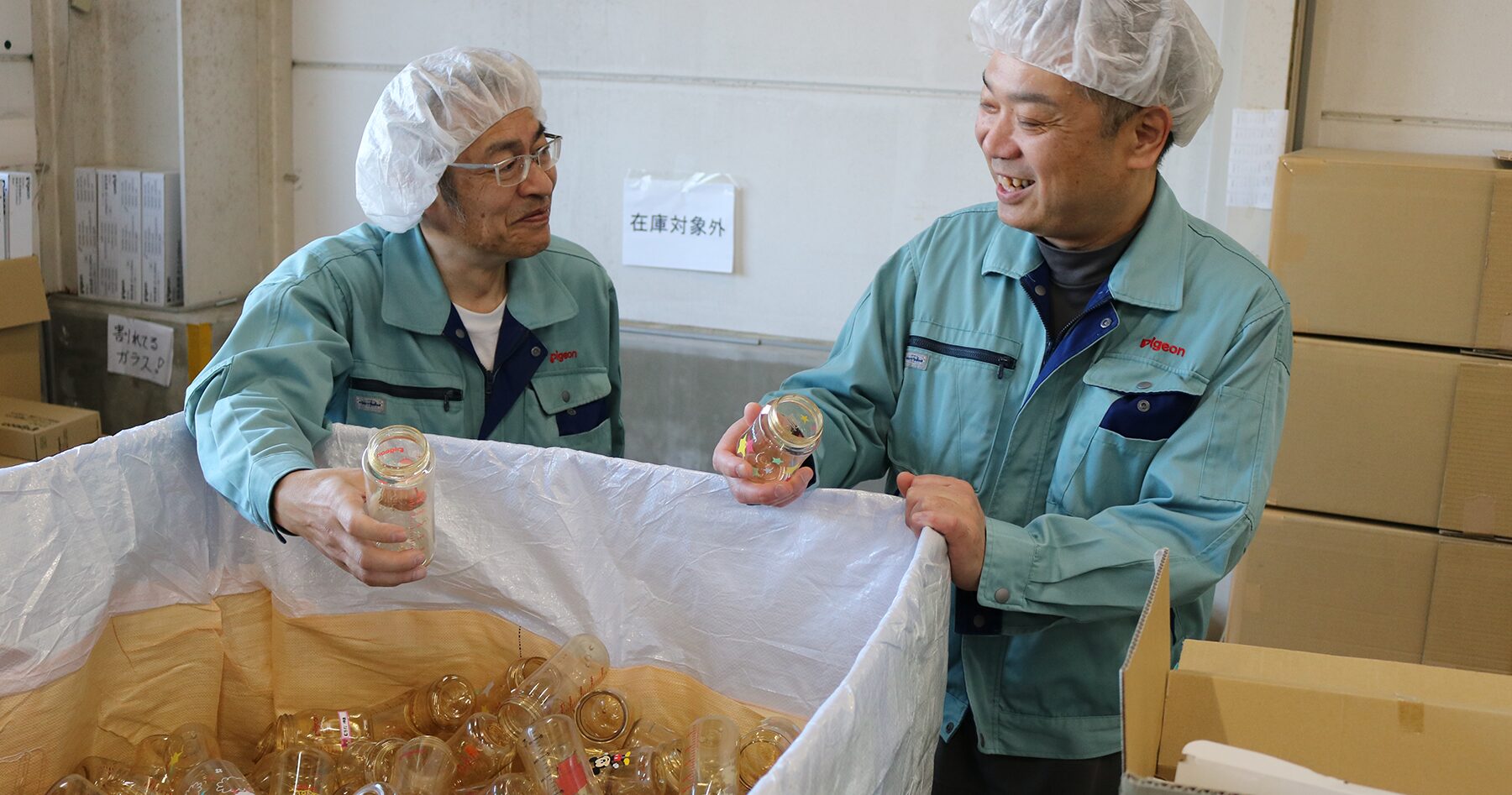
Above all, the feeling that they can transform things that previously had no choice but to be discarded into resources with their own hands is a great source of motivation for the staff in charge.- Mr. Hoshino
The sorting staff sometimes handle products filled with sentimental value, and this, combined with a sense of contributing to the environment, has allowed them to carry out their work with great care. Thanks to Pantech 's detailed understanding of the situation on site and their precise advice on specific sorting criteria, we are able to work without hesitation.
Future prospects
- -
I'd like to ask the two of you from headquarters again: What are your prospects for the future development of resource recycling initiatives and the specific uses of the collected materials?
- Anan
Currently, recycled plastics are used as raw materials in products from other industries through open-loop recycling, but our ideal is to circulate resources in a closed system through "bottle-to-bottle" horizontal recycling. However, the standards for baby bottles under the Food Sanitation Act are extremely strict, and in Japan, there are very high hurdles to using recycled plastics in parts that come into contact with food.
On the other hand, we have received many requests from customers saying, "We want the baby bottle to be reborn as something that continues to support our child's growth even after they have outgrown it." Our biggest goal right now is to create a cycle where baby bottles, filled with memories, are transformed and return to homes once again. We face challenges such as cost, but we hope to overcome each obstacle one by one to make this a reality.
When it comes to collecting and recycling our own products, being able to accurately track their origins—when and what materials they were made from—is a significant advantage. Leveraging this benefit, we hope to create a closed resource recycling system, "from Pigeon to Pigeon," in a way that adds even more value in the future.- Tanobe
To achieve this, specialized knowledge is essential, including responding to legal revisions such as the Plastic Resource Recycling Promotion Act and introducing new molding technologies. We hope that Pantech will go beyond their role as a recycling partner and continue to provide us with multifaceted advice on technology and legal regulations, so that we can work together to bring this challenge to fruition.