Toyota Boshoku Kyushu Co., Ltd. had been facing challenges in recycling door trims, which are composite products made of plastic and fiber materials.
(Hereafter: Toyota Boshoku Kyushu). In April 2015, they resolved this issue by starting a business relationship with Pantech .
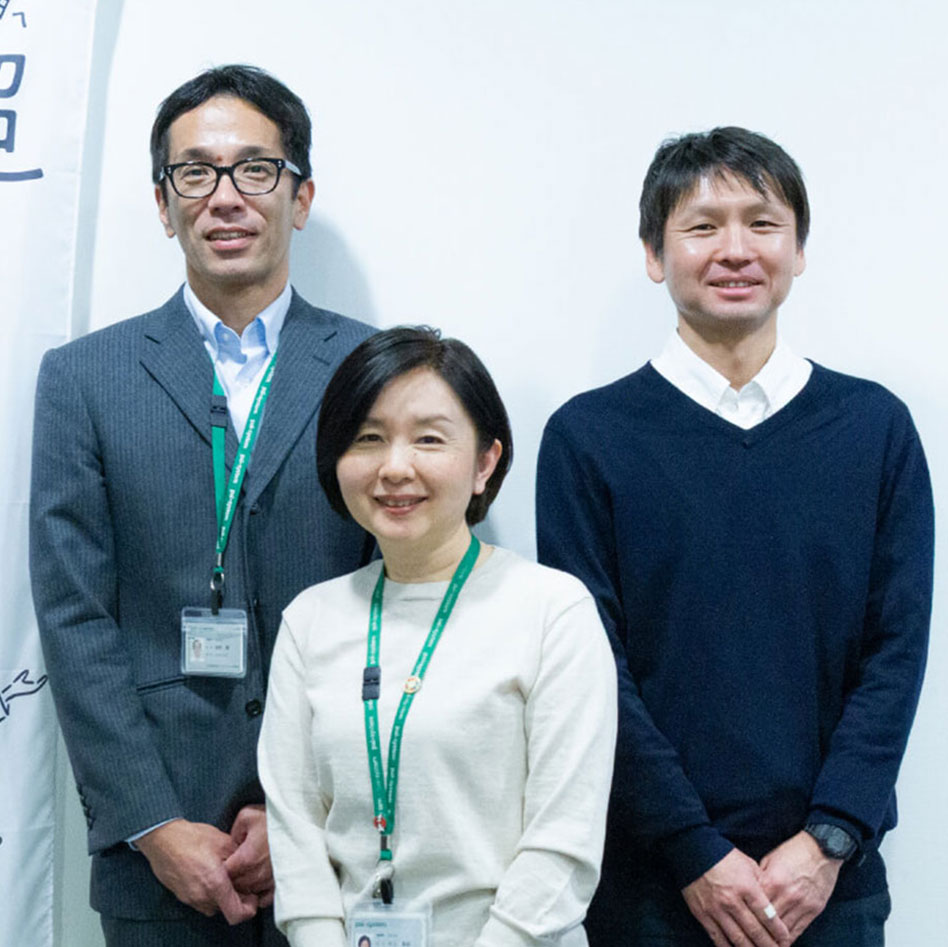
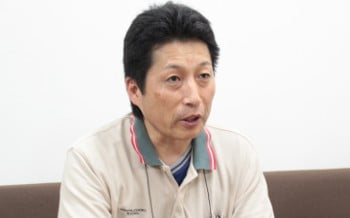
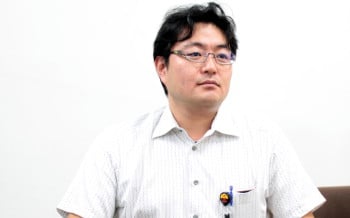
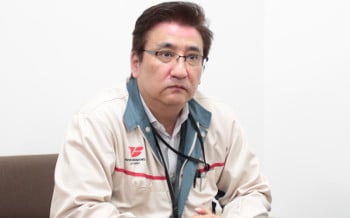
We spoke with Mr. Pantech Obata, Manager of Miyata Manufacturing 1st Department, Miyata Factory; Mr. Takanobu Takatori, Section Chief of Miyata Technical Staff Section, Miyata Technical Staff Office; and Mr. Kazuhisa Tanikawa, Safety and Environment Section, General Affairs Office, Business Department, about the circumstances that led to the business relationship with Pantech.
Our business with Pantech allows us to easily recycle composite door trims.
- -
Could you please tell me about the current status of your business relationship with Pantech ?
- Mr. Obata
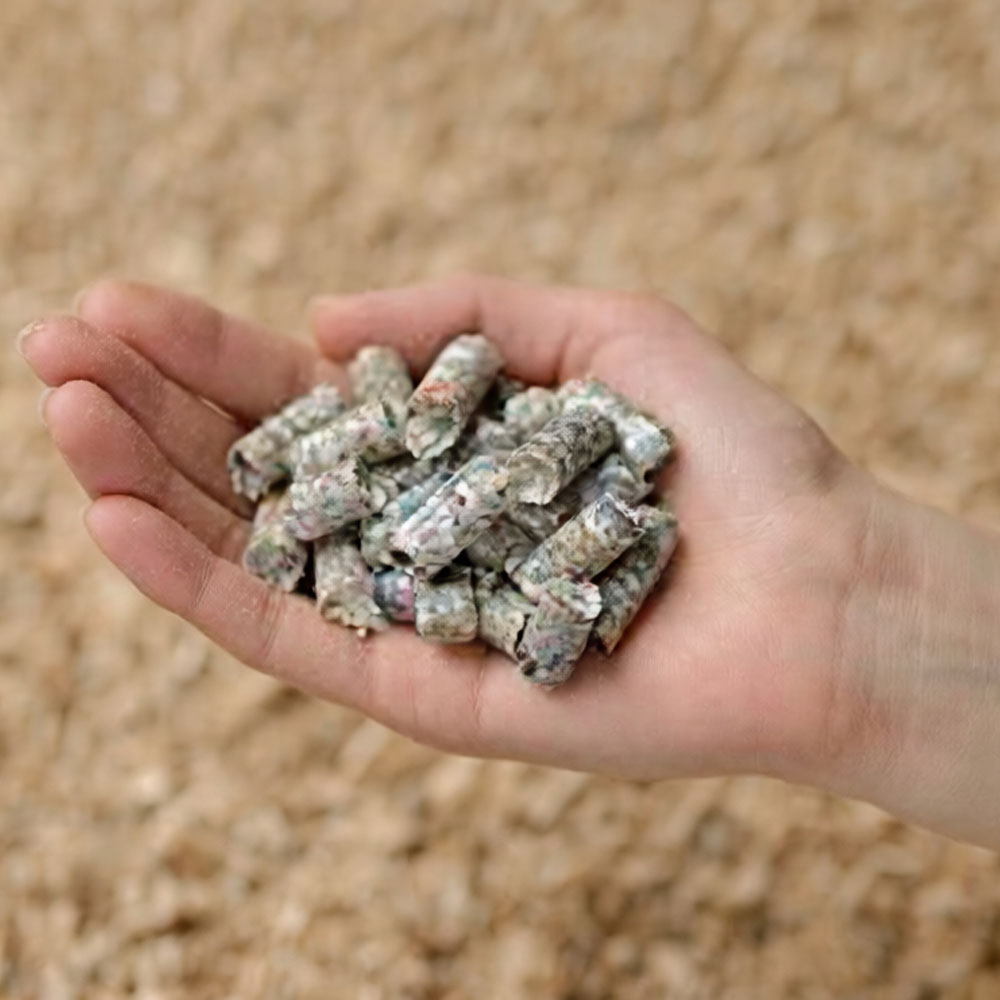
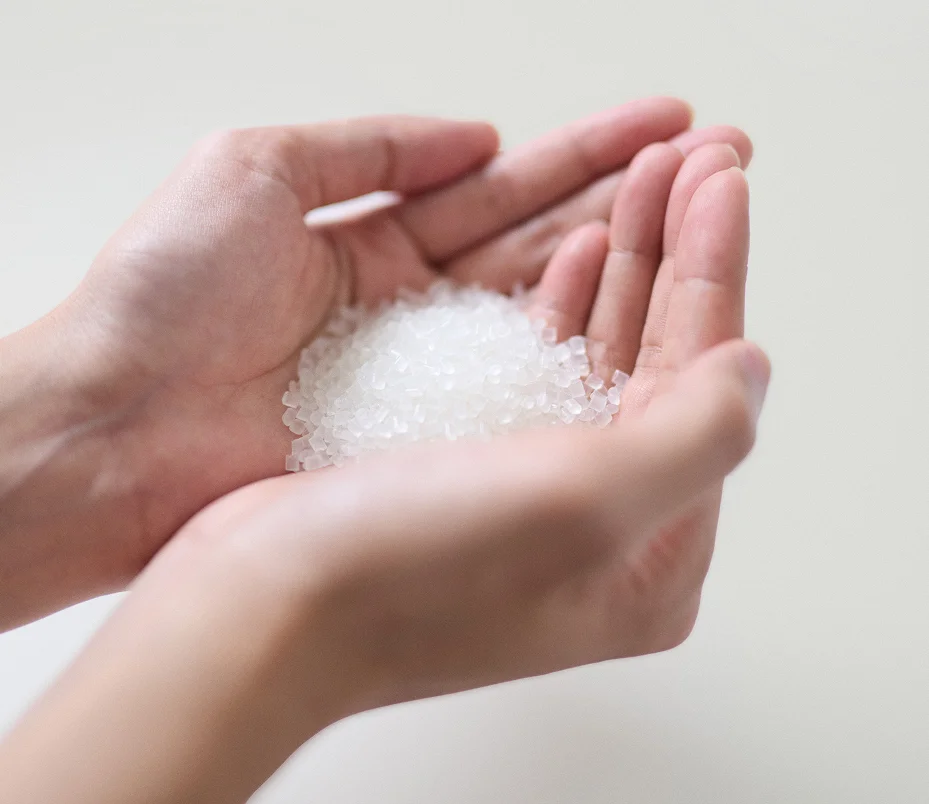
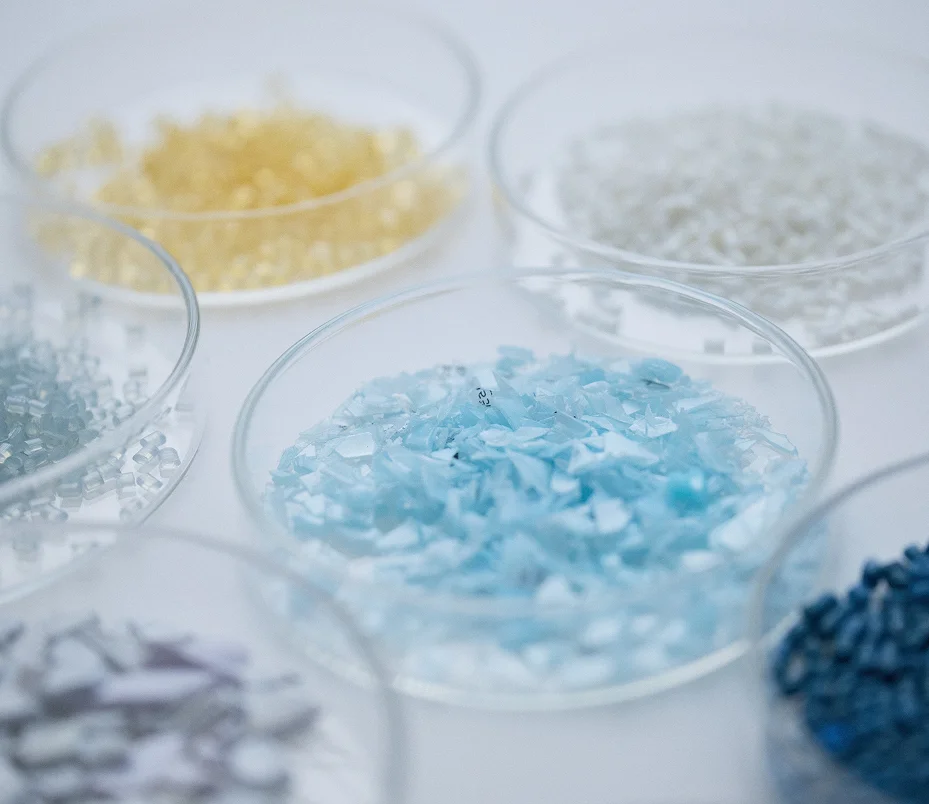
We have commissioned Pantech to recycle (convert into valuable raw materials) waste plastic materials generated at our Miyata factory. Specifically, this involves waste door trim materials.
Our goal is "zero industrial waste," and we recycle waste materials as much as possible.
We have been recycling waste plastics that do not require much sorting, such as lumps (lumps that form when injection molding machines start up or stop), through a recycling company with which we have had a long-standing relationship. The door trim is primarily made of PP (polypropylene), but it is a composite product that is assembled with parts made of materials other than PP, such as door trim ornaments made from a mixture of kenaf and PP.
Therefore, sorting was time-consuming, and recycling was not possible in the past. Our business relationship with Pantech has made it possible to recycle without the need for detailed sorting, which has been a great help.
(*Kenaf is an annual plant that grows in tropical to temperate regions, is fast-growing, and has a high capacity to absorb carbon dioxide.)- -
How do door trim waste materials come into being?
- Takatori
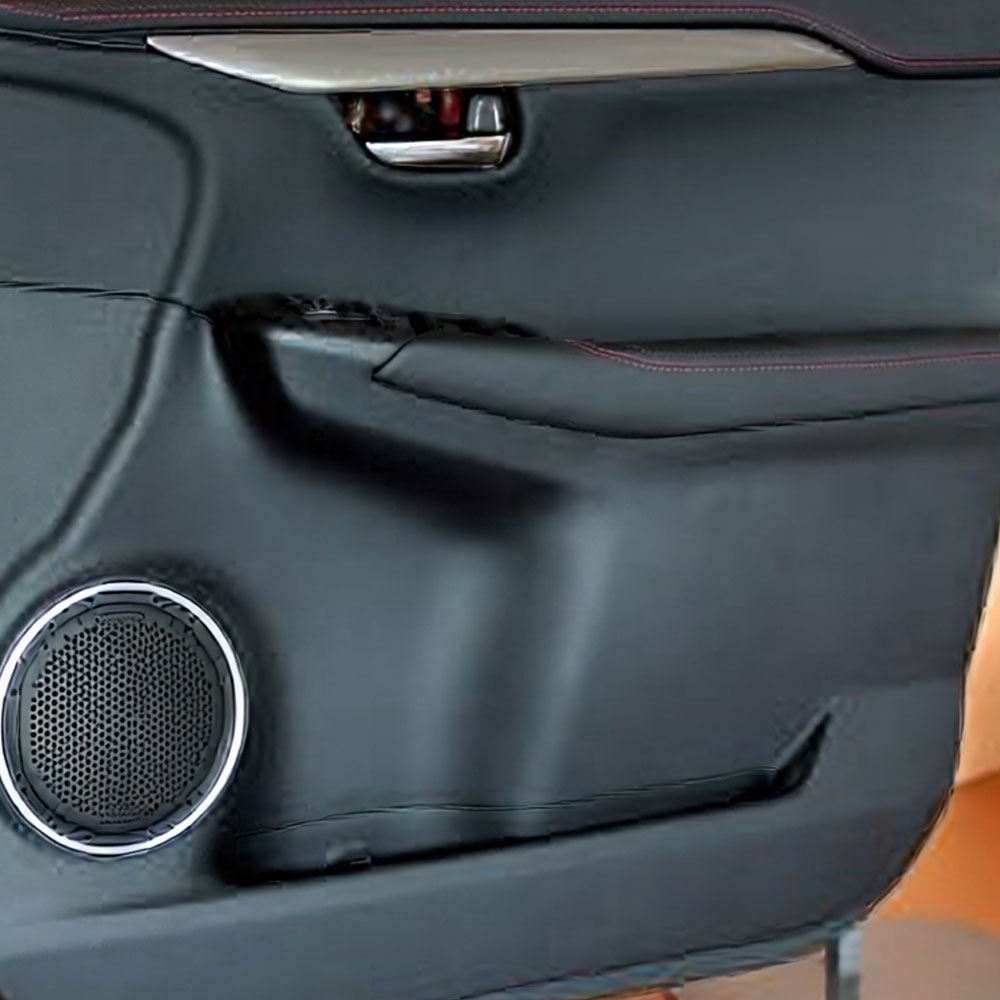
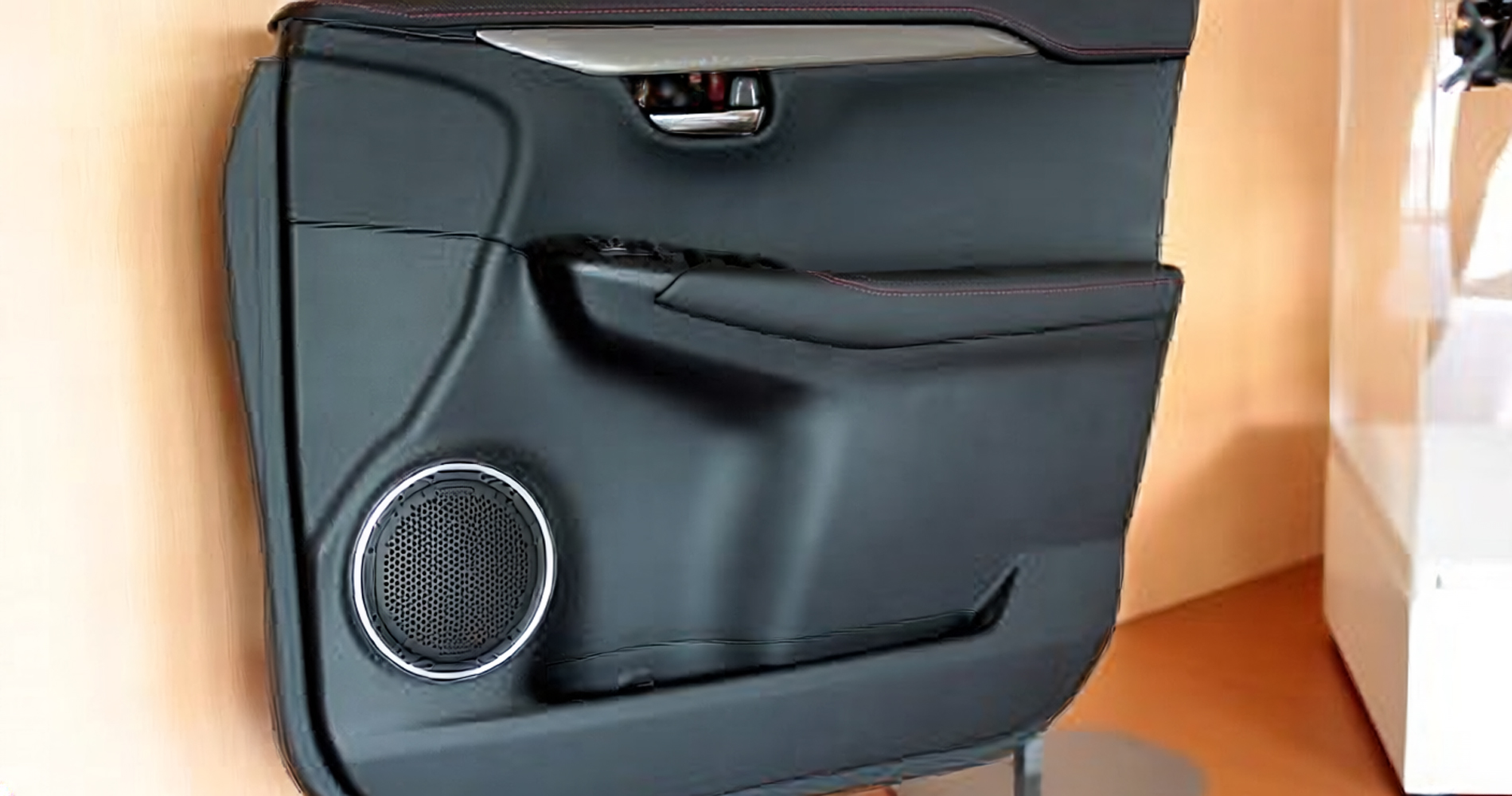
Door trim refers to the inner panel of a car door. We will repair any damage that can be fixed, but some damage is simply impossible to repair and will be discarded as waste.
Door trim refers to the inner panel of a car door. It is completed by assembling various parts onto a door board that has been molded using injection molding.
The materials are moved around the factory on process carts for each stage of production, but minor scratches can occur during this process. We repair any scratches that can be repaired, but some are simply irreparable and are discarded as waste.
Additionally, door boards used for worker training that are no longer needed will also be considered waste materials.- -
If there are any agreements with Pantech regarding the recall process, please let me know.
- Mr. Obata
The following two points are agreed upon as conditions for taking possession:
(1) Separate waste plastics completely by type to prevent contamination with other waste.
(2) To improve transportation efficiency, the separated waste plastics are reduced in volume and compressed before being shipped in a state that can fully load a truck.However, regarding the door trims that are currently being taken away, since we do not have a crusher or container reducer, we have been given the condition that we only need to remove the door trim ornaments, which are a mixture with kenaf. The purchase price was also determined under these conditions.
Prior to dealing with Pantech, industrial waste
- -
How did you dispose of door trim waste before you started doing business with Pantech ?
- Mr. Obata
Normally, recycling composite materials like door trims requires disassembling the parts and completely separating them by material, and we do our best to separate them as much as possible. However, because they are composite products, there are some parts that cannot be recycled, and although we have negotiated with about 10 companies, including two waste plastic recycling companies with whom we have been doing business for some time, we have not received a satisfactory response from any of them.
In that situation, Pantech approached us saying they could recycle our materials in a way that met our requirements, so we proceeded with negotiations.
The process leading up to the start of business with Pantech
- -
Please tell me the circumstances leading up to the start of the transaction.
- Tanikawa
We first received a phone call from you in 2013.
After several trials, we reached the conclusion that we could acquire it at value by the end of 2014, and we decided to start from the beginning of the new fiscal year.Normally, to find out if something can be recycled as a valuable raw material, you need to give a sample to a recycling company for testing, which takes some time before you get the results.
When doing business with Pantech , we initially had them take back one or two samples to examine the material requirements, then gradually increased the quantity until we finally provided them with several hundred kilograms of samples for testing.- -
What are the key points to consider when selecting a recycling company?
- Tanikawa
When selecting a service provider, the evaluation points include the scope of recycling, the amount of work involved in the collection process, and the final price.
However, we don't believe that a higher price is always better when it comes to the handover price. If the handover price is too high, it disrupts the balance with market conditions, and the transaction itself will not last long. Therefore, we always keep a fair price in mind when selecting recycling companies.In Pantech 's case, the deciding factors for starting a business relationship were that the recycling process and the amount of work involved were very light on our side (minimal sorting was required), and they offered a satisfactory pickup price.
- -
Pantech 's headquarters are located in Shiga Prefecture, but were you concerned about the geographical location?
- Tanikawa
We have a partner factory in Kyushu, and that factory is a supplier with whom we already do business, so there were no obstacles in moving forward with the business negotiations.
We find it extremely valuable that they are willing to accept products that all other recycling companies we have consulted previously have refused to deal with, and that they have promised to continue this business relationship.
Reduced industrial waste disposal costs for the entire Miyata factory by 30%.
- -
Please tell us about the results and effects you have achieved from doing business with Pantech .
- Mr. Obata
Although it has only been three months since we started doing business with Pantech , this is just an estimate, but by recycling (converting into valuable raw materials) the door trim waste that was previously disposed of as industrial waste, we expect to reduce the overall industrial waste disposal costs at the Miyata factory by approximately 30%.
This figure is the sum of the savings from reducing expenses that were previously paid to industrial waste disposal companies and the revenue from sales since we began doing business with Pantech .
This reduction in industrial waste has been recognized both internally and externally as an achievement that impacts the company's overall profitability.
Future challenges and expectations for Pantech
- -
Are there any challenges or issues you're facing regarding your recycling efforts?
- Takatori
Toyota Motor Corporation is currently focusing on this material as part of its policy to use environmentally friendly plants in its automobile parts.
The Toyota Boshoku Group is also putting its efforts into everything from kenaf cultivation to raw material processing. Kenaf has the effect of making vehicles lighter, and the consumption of kenaf is expected to increase even more in the future.
Given this background, we believe that the challenge going forward is to create a recycling system for raw materials using kenaf.We have asked Pantech to consider this positively.
- -
Please tell us what you expect from Pantech .
- Takatori
Going forward, it would be great if we could carefully examine the details of the transaction and develop our relationship while exploring mutual benefits.
We currently outsource the recycling of waste plastics to several companies.
In particular, Pantech has been making proactive proposals to our company, so we believe there is potential for expanding our business relationship.
Going forward, it would be great if we could carefully examine the details of the transaction and develop our relationship while exploring mutual benefits.